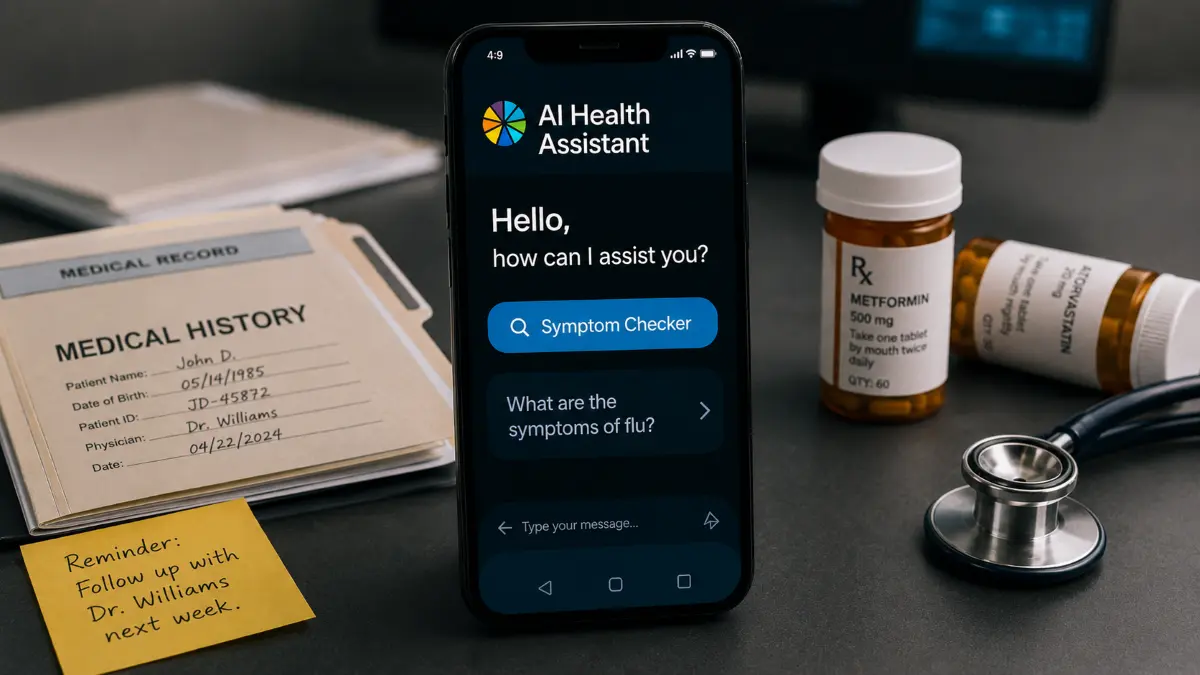

AI for health information has rapidly become mainstream in the US, with 61% of adults now using AI tools to seek medical guidance, a dramatic jump from just 2% earlier in 2024. This shift highlights a growing public comfort with AI-driven health resources, especially those integrated directly into secure doctor portals. Patients reportedly trust AI in these controlled environments three times more than public chatbots, signaling a nuanced acceptance based on context and perceived safety.
This surge matters because it reflects a broader transformation in how people access health data and make decisions about their care. AI-powered portals offer personalized, timely insights that can complement traditional medical advice. The rising adoption also underscores the increasing role of AI in healthcare delivery, potentially easing burdens on providers and improving patient engagement. However, it raises questions about data privacy, accuracy, and the evolving doctor-patient relationship.
The trend aligns with wider industry moves toward digital health solutions and AI integration. Healthcare providers and tech companies are racing to embed AI tools into electronic health records and telemedicine platforms. This integration aims to enhance diagnostic support, patient monitoring, and health literacy. Yet, the preference for secure portals over public chatbots reveals ongoing concerns about misinformation and trustworthiness in open AI systems.
Strategically, this shift could reshape healthcare delivery models. Providers who successfully incorporate AI into secure, user-friendly portals may gain a competitive edge by improving patient satisfaction and outcomes. Conversely, public-facing AI health chatbots may need to address trust and accuracy issues to remain relevant. Regulators and industry leaders will likely focus on standards and oversight to ensure AI tools meet safety and ethical benchmarks.
Looking ahead, the key will be balancing innovation with caution. How AI tools evolve within healthcare ecosystems and how patients’ trust develops will determine their long-term impact. Monitoring adoption patterns, user experiences, and regulatory responses will be crucial as AI continues to redefine health information access.