2025 Teknalyze. All rights reserved

Teknalyze’s “On This Day” series highlights key moments in technology history, from breakthrough inventions to milestone product launches, adding context to the digital world we use every day.

On This Day
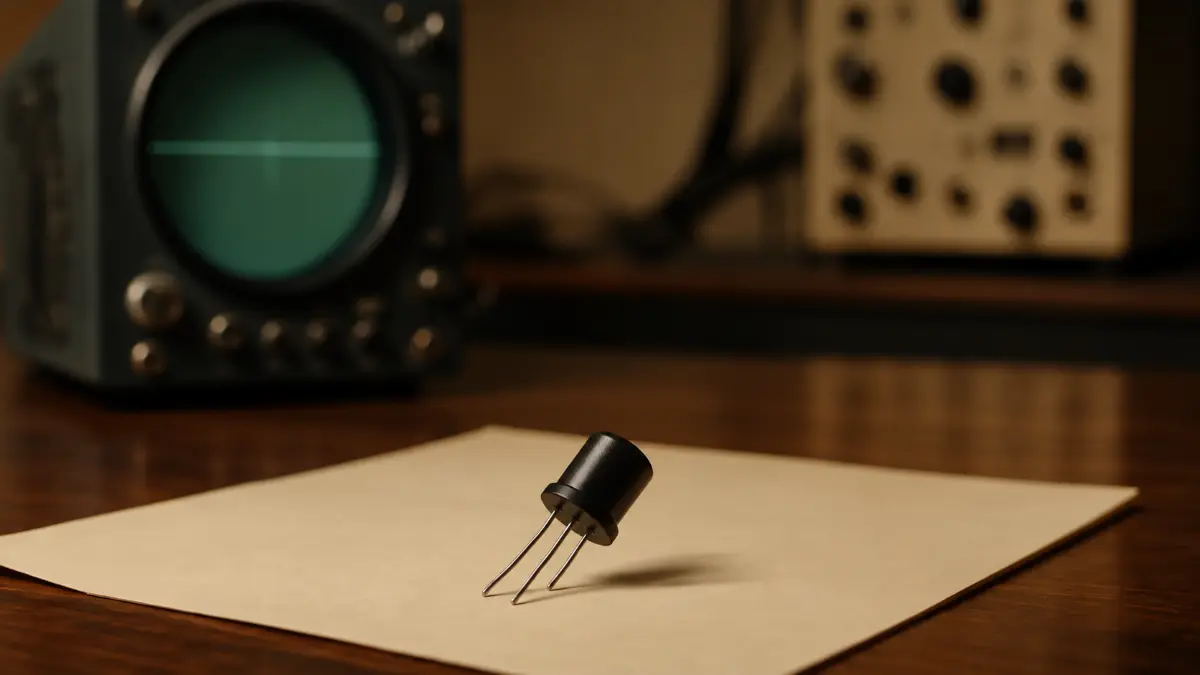
The Transistor Patent That Shaped Modern Electronics
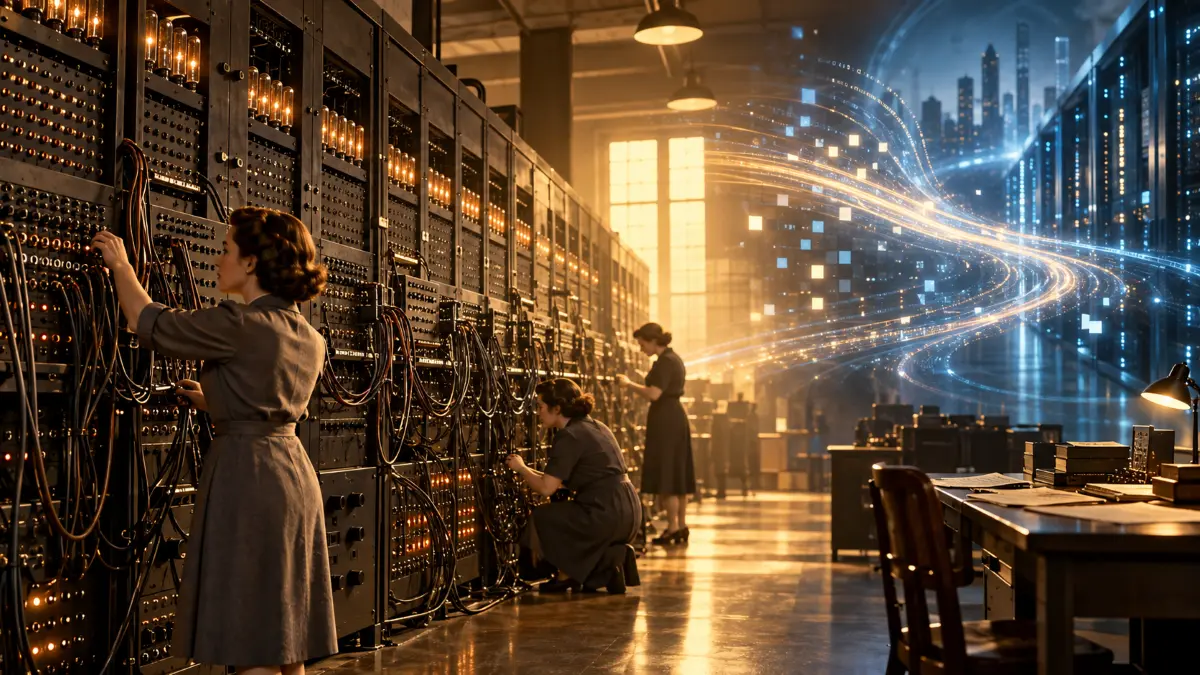
The End of ENIAC’s Era and Its Lasting Impact on Computing
The Arrival of 3G Wireless Technology in 2001
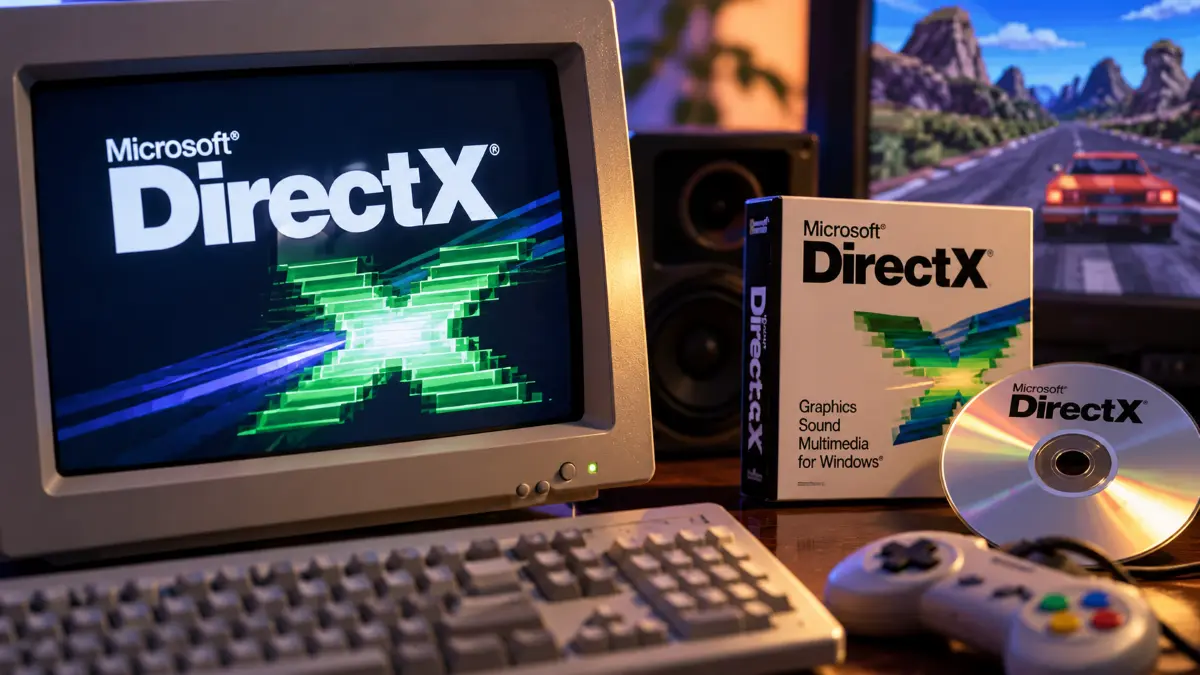
Microsoft DirectX’s 1995 Launch and Its Multimedia Impact
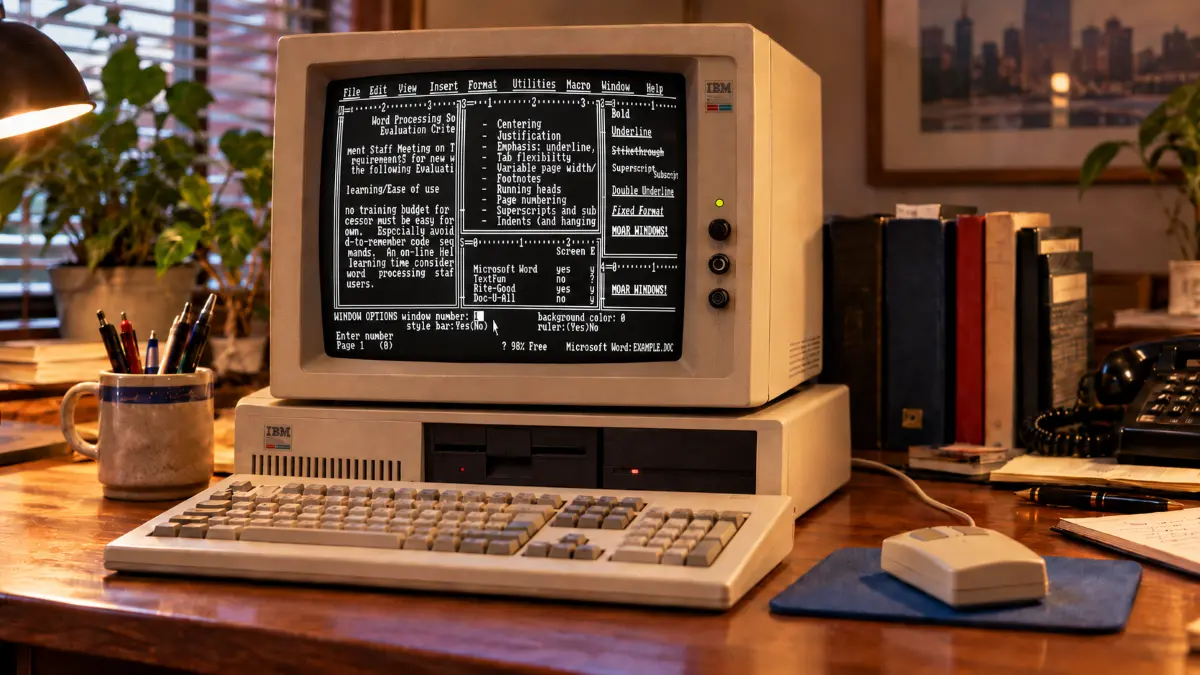
Microsoft Word 1.0 and the Rise of Mouse-Driven Word Processing
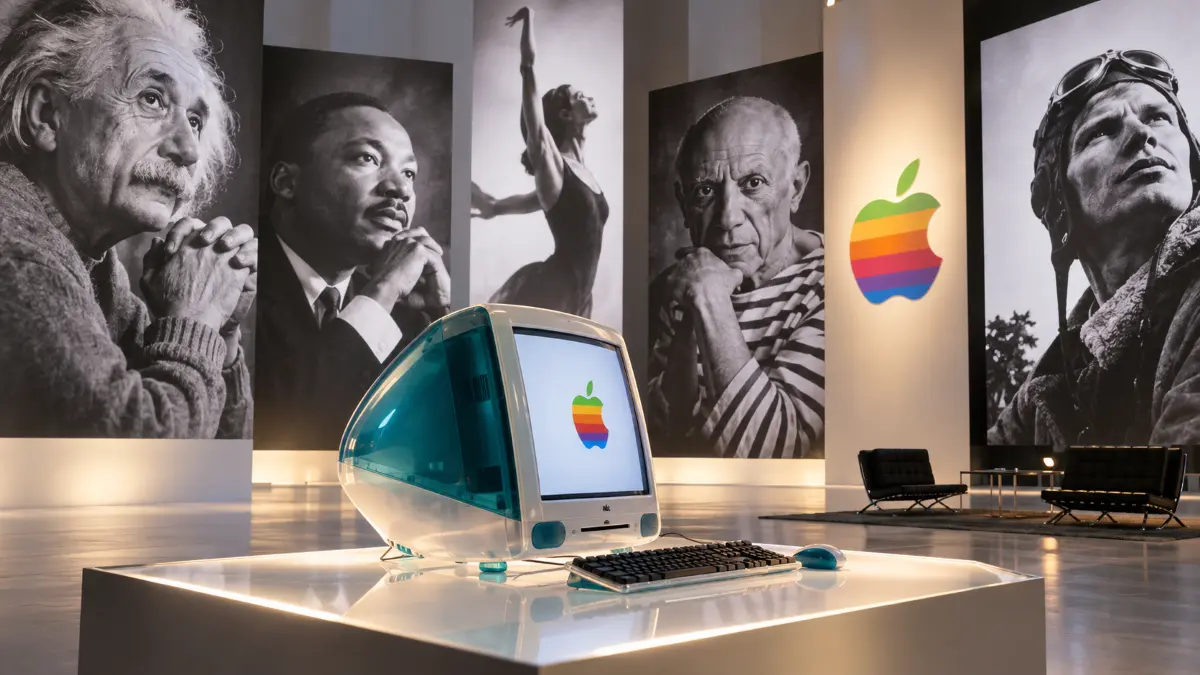
Apple’s “Think Different” Campaign and the Reinvention of Its Brand
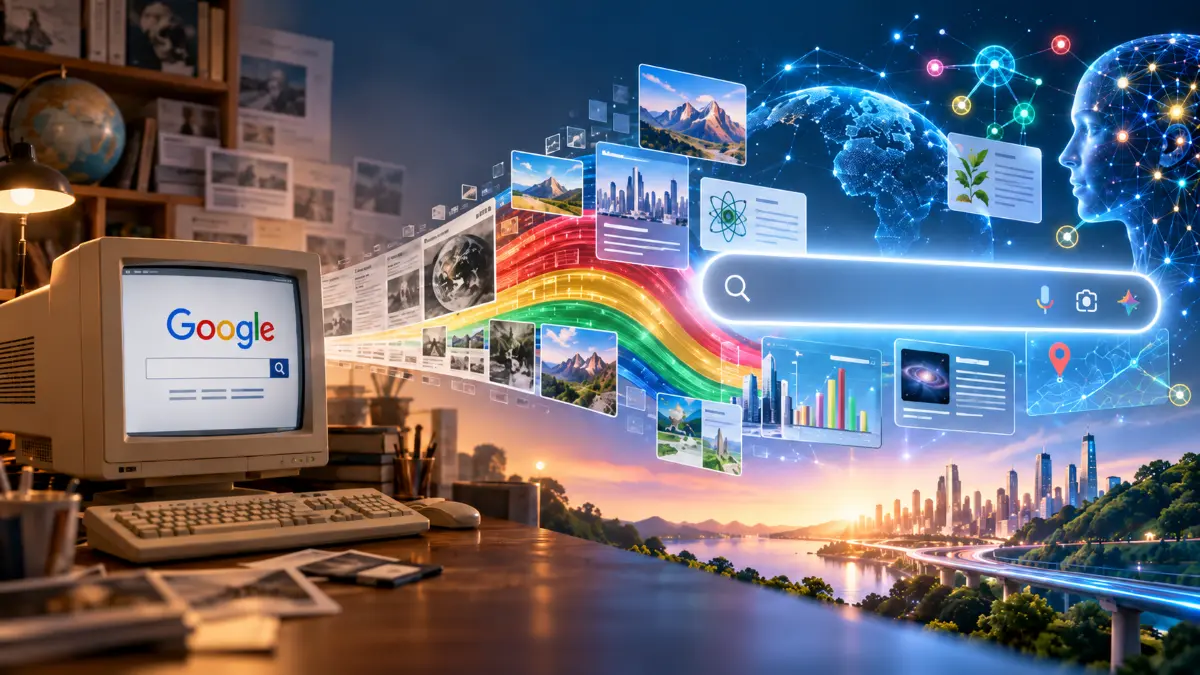
Google’s Birthday Marks A New Era in Search Technology
Einstein’s Special Theory of Relativity: A 1905 Milestone in Tech
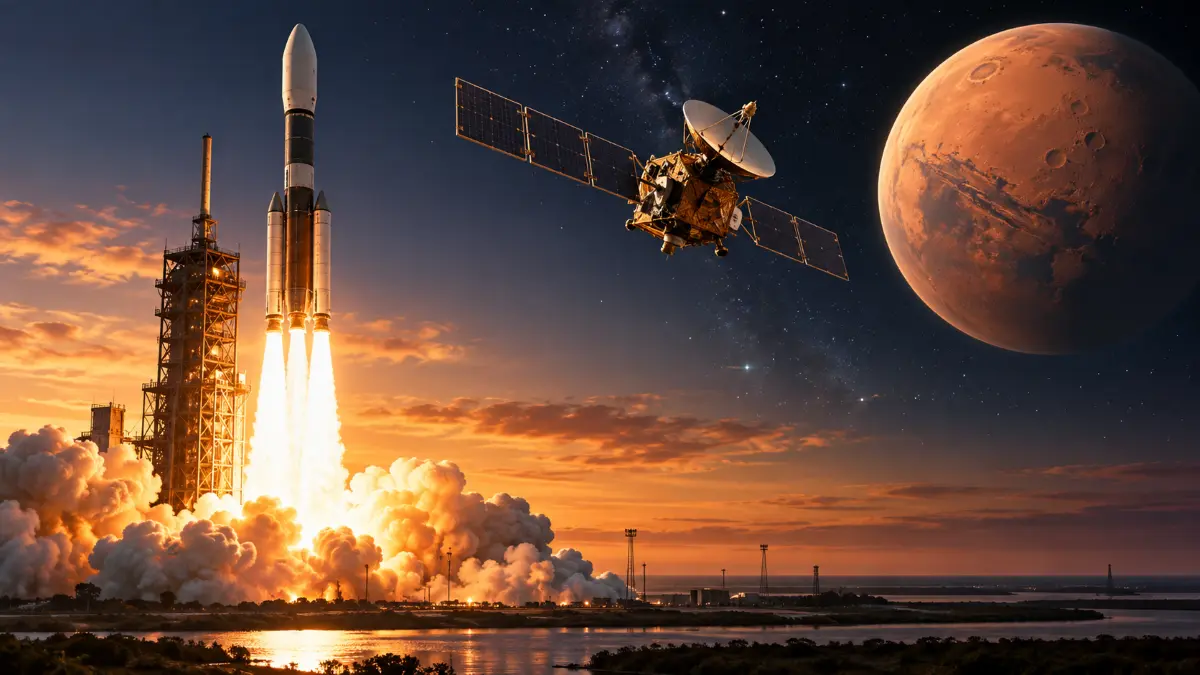
NASA Launches Mars Observer in 1992
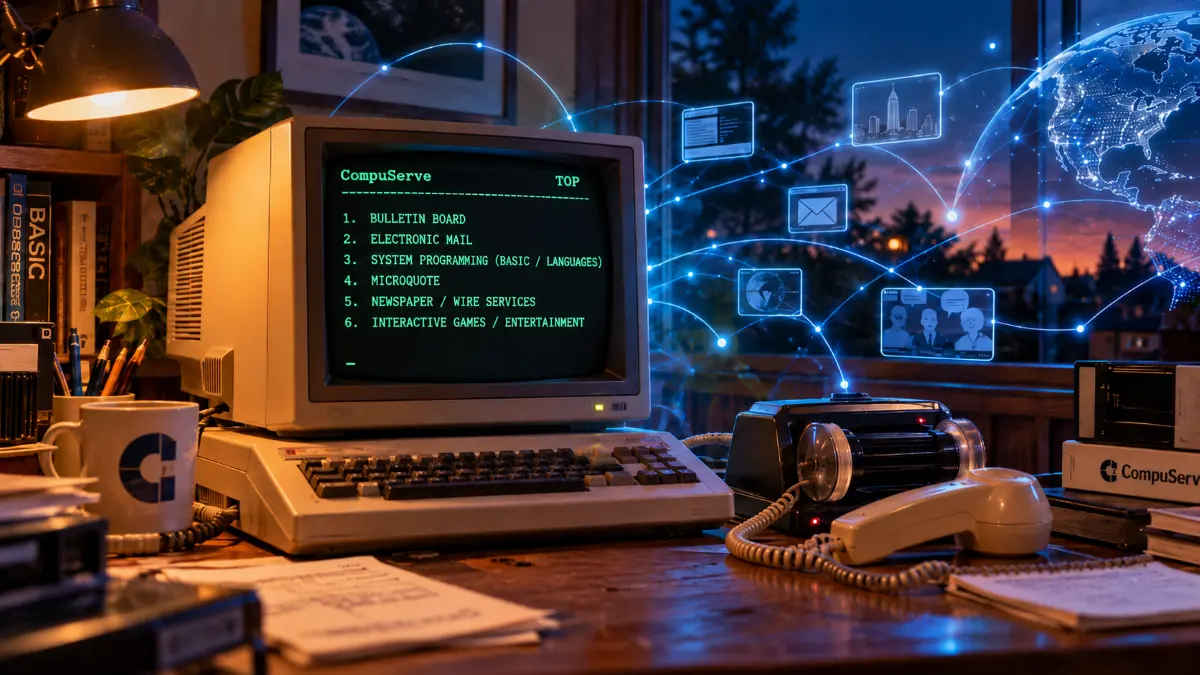
CompuServe’s MicroNET Launch and the Dawn of Consumer Online Services
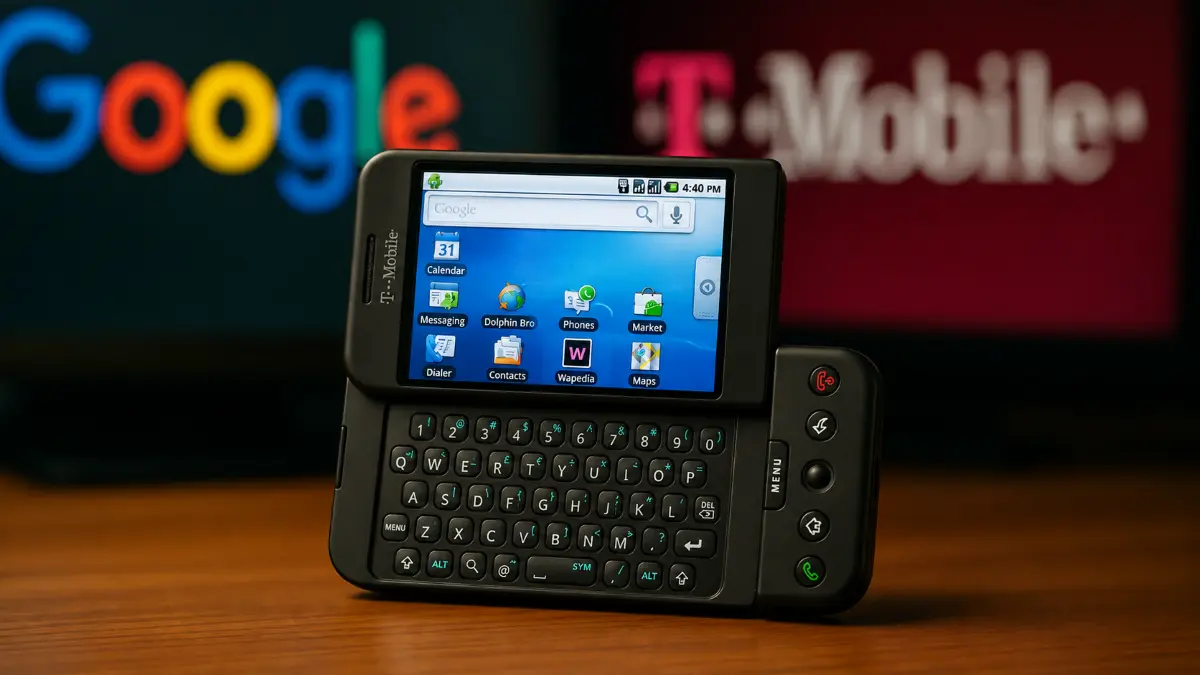
The Launch of the T-Mobile G1 and the Rise of Android
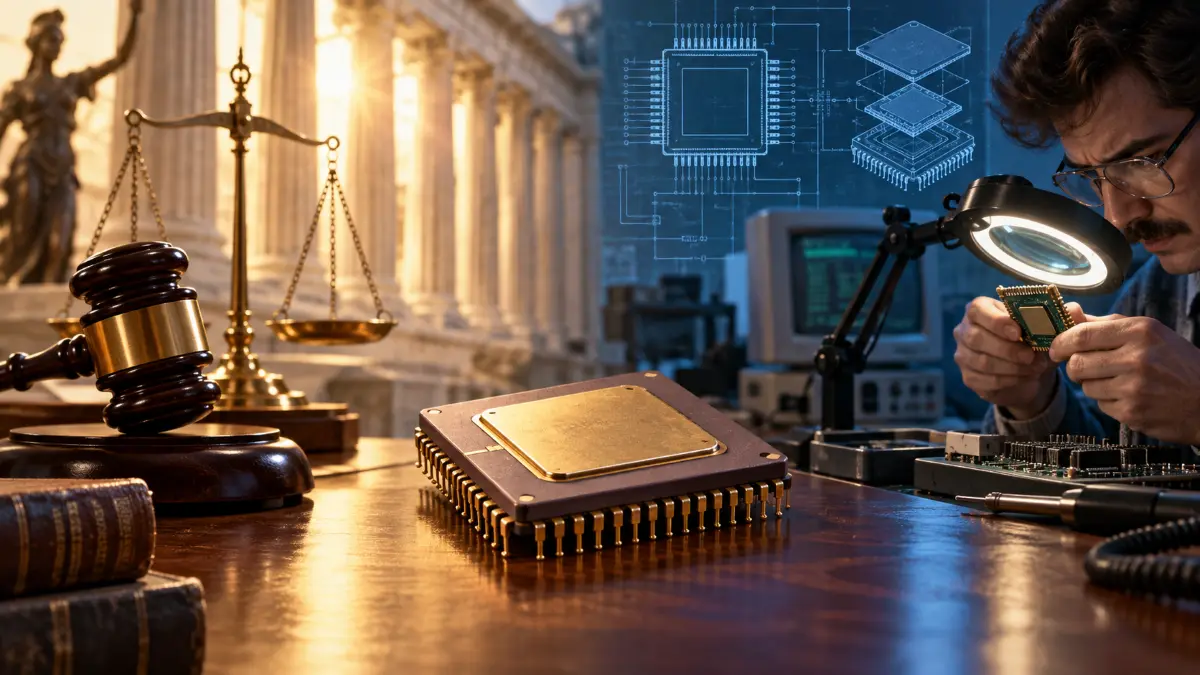
Copyrighting Computer Code and the Rise of Reverse Engineering
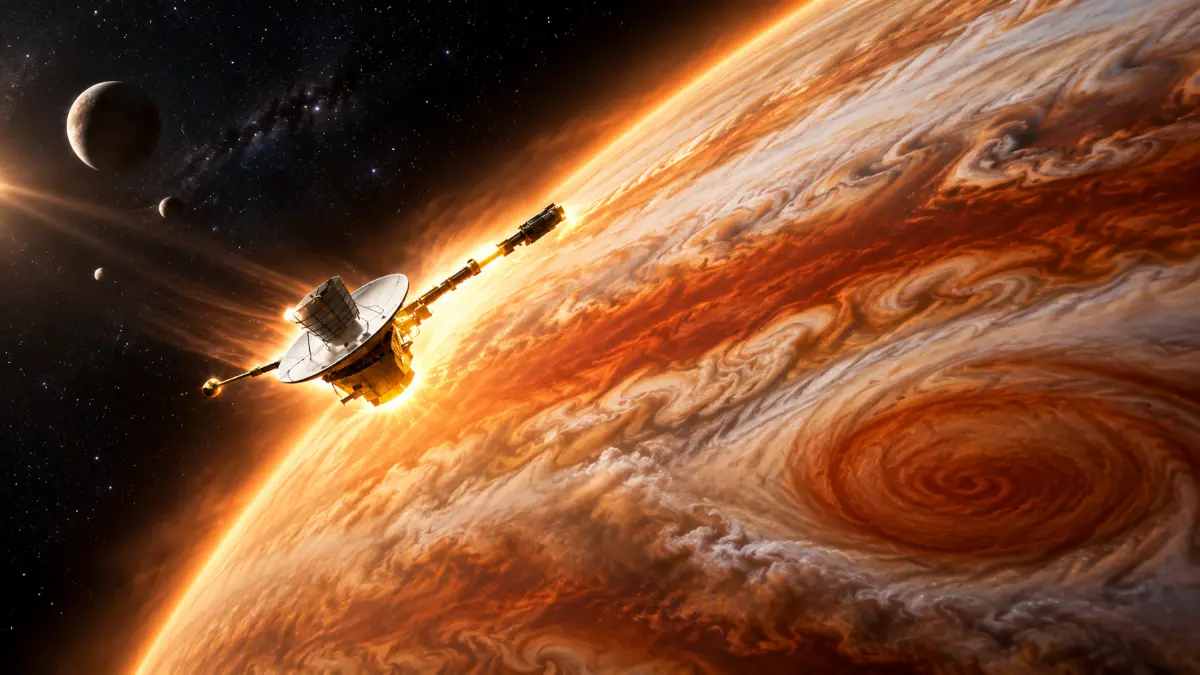
Galileo Spacecraft Ends Mission in Jupiter’s Atmosphere
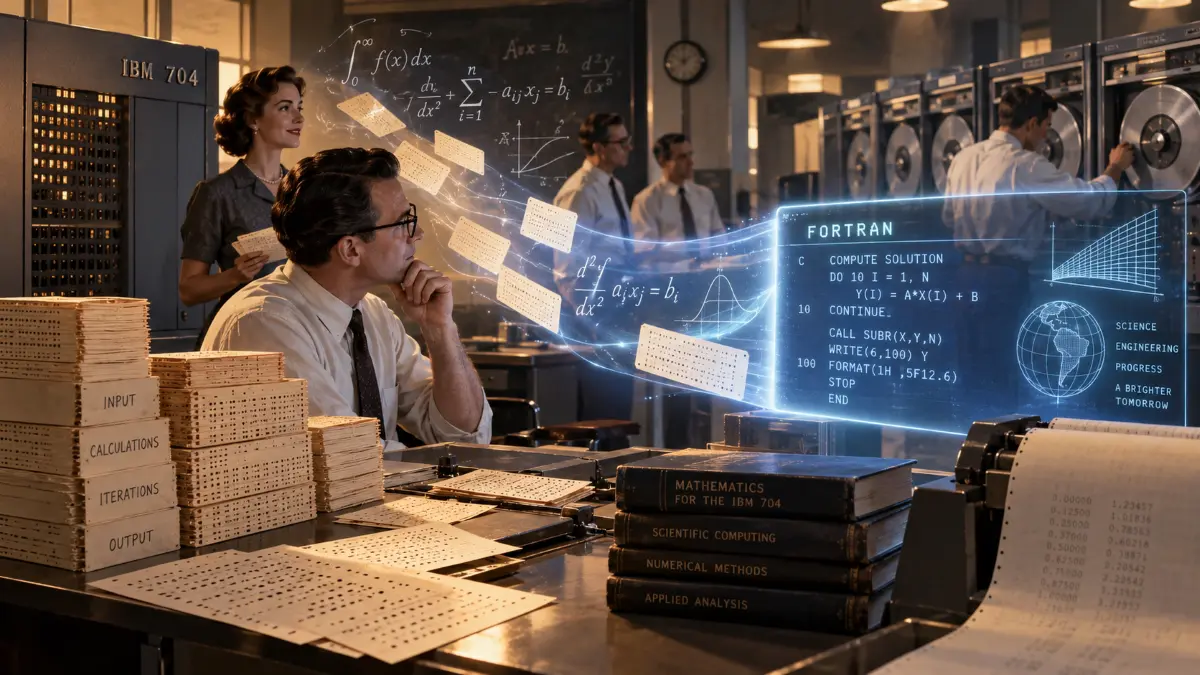
The First FORTRAN Program and Its Lasting Impact on Computing
The First Emoticons and Their Digital Legacy
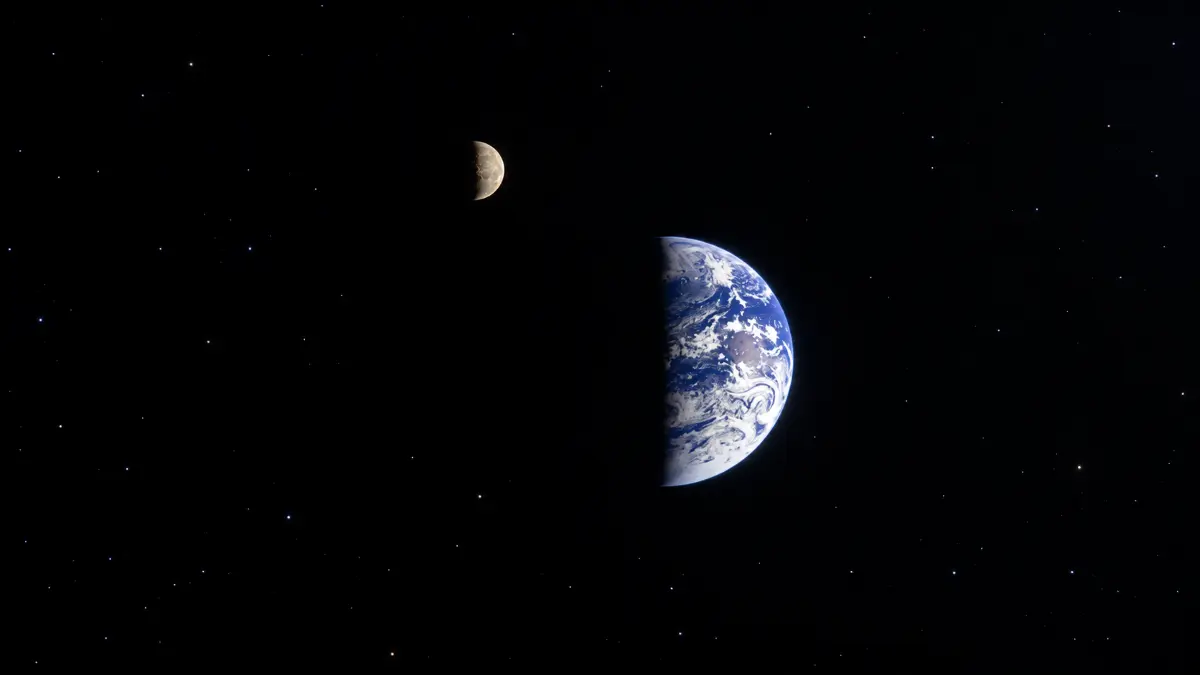
Voyager I’s First Distant Photo of Earth and Moon
The Launch of Linux Kernel 0.01 and Its Enduring Impact
Xerox 914 Debuts as First Successful Photocopier in 1959
Apple IIgs Launches Advanced Graphics and Sound in 1986
The Legacy of Windows Me in Modern Computing
IBM 305 RAMAC Launches Disk Storage Era
Jack Kilby’s Integrated Circuit Demo in 1958
Atari VCS Launch and Its Impact on Home Gaming
Large Hadron Collider Powers Up in 2008
The First Computer Bug: Harvard Mark II’s Moth Incident
Apple’s iPod Nano Launch and the Flash Storage Shift
GeoEye-1 Launch and the Evolution of Earth Imaging
Decommissioning of the IBM 7030 Stretch Mainframe in 1980
Google’s Founding and Its Impact on Search Technology
The Transistor Patent That Shaped Modern Electronics

On October 3, 1950, AT&T Bell Laboratories secured a patent for the transistor, a device that reshaped electronic and computing technology by enabling smaller, faster, and more reliable circuits.

The End of ENIAC’s Era and Its Lasting Impact on Computing

On October 2, 1955, the ENIAC computer was retired after eleven years of continuous service. Discover what this milestone meant for electronic computing and why it still resonates today.

The Arrival of 3G Wireless Technology in 2001

3G wireless technology first became available on October 1, 2001, when NTT Docomo adopted it. This breakthrough enabled faster mobile data and set the stage for modern connectivity.

Microsoft DirectX’s 1995 Launch and Its Multimedia Impact

Microsoft DirectX debuted on September 30, 1995, reshaping multimedia and game programming on Windows. Explore why this API suite still influences digital media today.

Microsoft Word 1.0 and the Rise of Mouse-Driven Word Processing

Microsoft Word 1.0 debuted on September 29, 1983, pioneering mouse-driven word processing on MS-DOS systems and setting new standards for user interaction and software distribution.

Apple’s “Think Different” Campaign and the Reinvention of Its Brand

Apple’s Think Different campaign launched on September 28, 1997, reshaping the brand’s identity and setting the stage for its rise from near-collapse to global dominance.

Google’s Birthday Marks A New Era in Search Technology

September 27, 1998, marks Google’s birthday, a date that redefined internet search technology by solving the problem of relevance and scale, shaping how we navigate information today.

Einstein’s Special Theory of Relativity: A 1905 Milestone in Tech

Albert Einstein’s special theory of relativity, published in 1905, reshaped physics and technology by redefining space and time. Explore its lasting impact on modern tech.

NASA Launches Mars Observer in 1992

NASA launches the Mars Observer on September 25, 1992, marking a critical step in Mars exploration despite its later mission failure. Here’s why it still matters.

CompuServe’s MicroNET Launch and the Dawn of Consumer Online Services

CompuServe online service MicroNET launched in 1979, introducing consumers to email and digital information access, shaping early online communication.

The Launch of the T-Mobile G1 and the Rise of Android

The T-Mobile G1 launched in 2008 as the first Android smartphone, setting the stage for Android to become the world’s dominant mobile platform. Here’s why it still matters.

Copyrighting Computer Code and the Rise of Reverse Engineering

The 1986 ruling on copyright protection for computer code shaped software development by affirming code as intellectual property while allowing reverse engineering.

Galileo Spacecraft Ends Mission in Jupiter’s Atmosphere

On September 21, 2003, the Galileo spacecraft was terminated by sending it into Jupiter’s atmosphere, closing a chapter on deep space exploration and planetary science.

The First FORTRAN Program and Its Lasting Impact on Computing

The first FORTRAN program was executed in 1954, setting a new standard for scientific computing and shaping high-performance computing for decades.

The First Emoticons and Their Digital Legacy

On September 19, 1982, Professor Scott Fahlman proposed the first emoticons, sparking a new way to express emotion in digital communication that still shapes online interactions today.

Voyager I’s First Distant Photo of Earth and Moon

On September 18, 1977, Voyager I captured its first distant photograph of Earth and the Moon together, opening new perspectives on planetary imaging and space exploration.

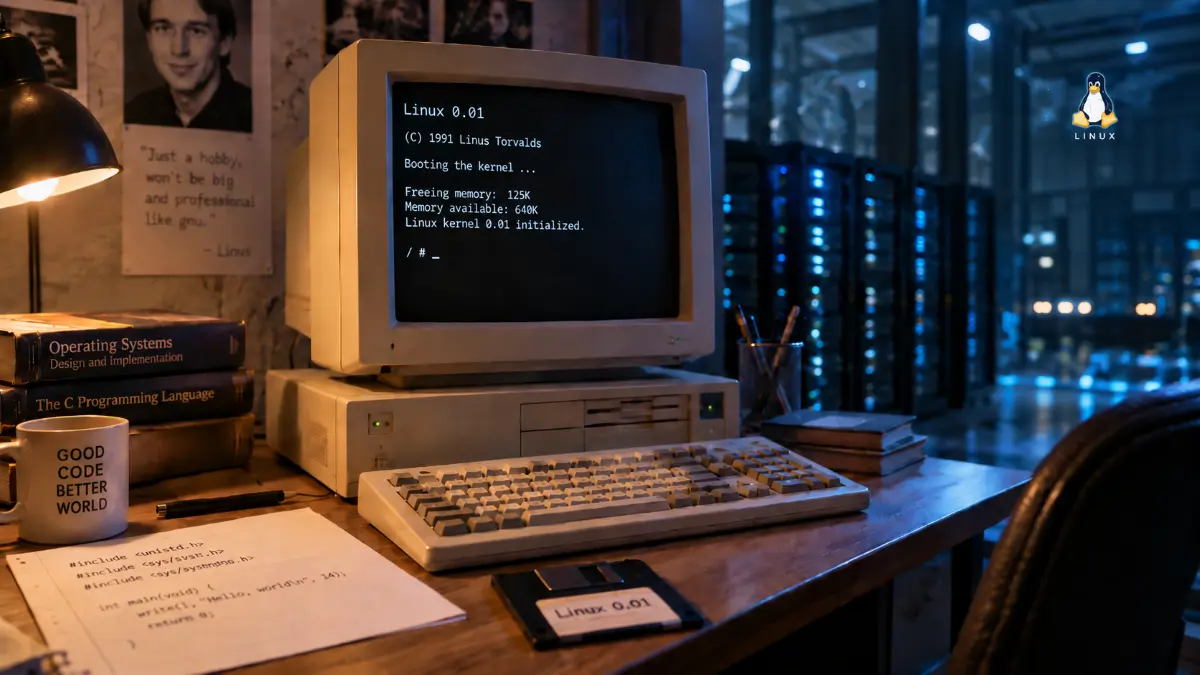
The Launch of Linux Kernel 0.01 and Its Enduring Impact

The release of the Linux kernel 0.01 on September 17, 1991, marked a key moment in open-source software development, enabling collaborative innovation and modern computing foundations.

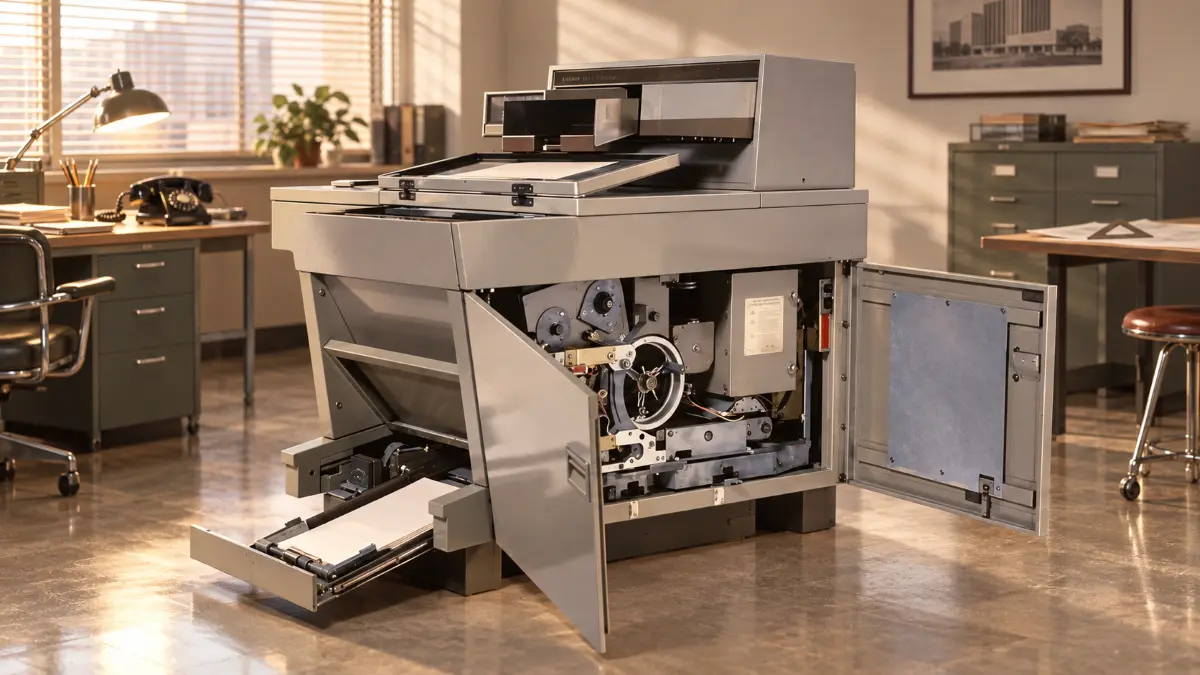
Xerox 914 Debuts as First Successful Photocopier in 1959

The Xerox 914 photocopier was introduced in 1959, changing document handling by solving copying challenges and shaping office workflows for decades.

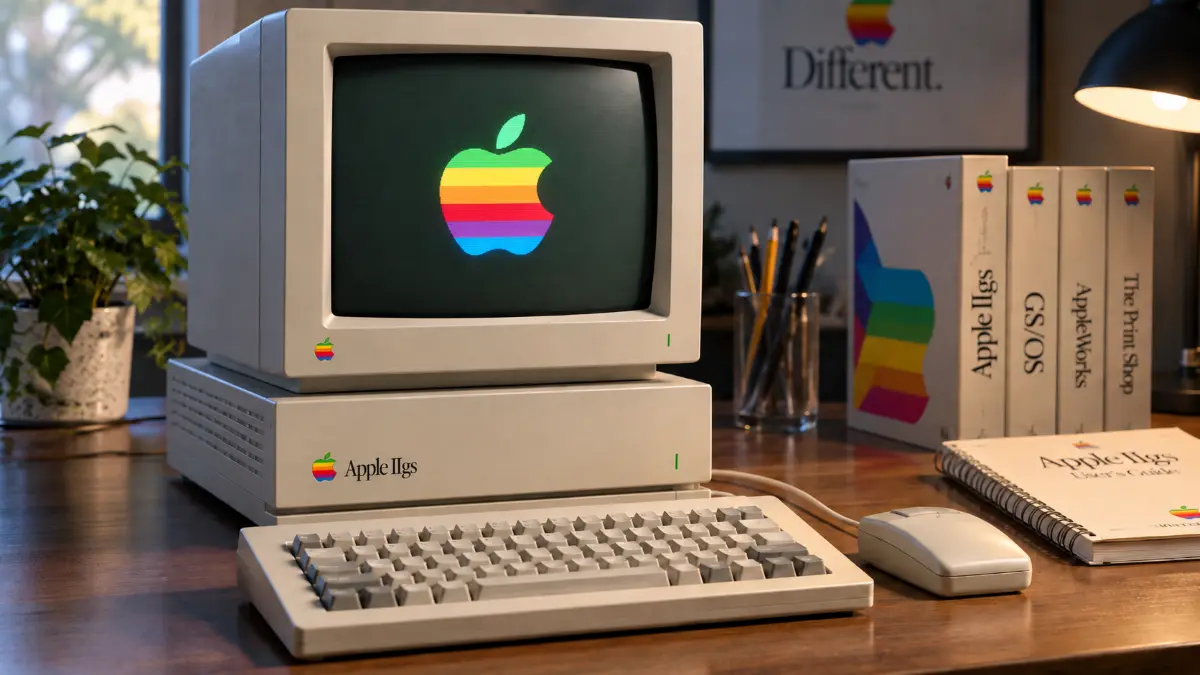
Apple IIgs Launches Advanced Graphics and Sound in 1986

On September 15, 1986, Apple introduced the Apple IIgs, combining Apple II legacy with Macintosh features to deliver advanced graphics and sound, pushing personal computing forward.

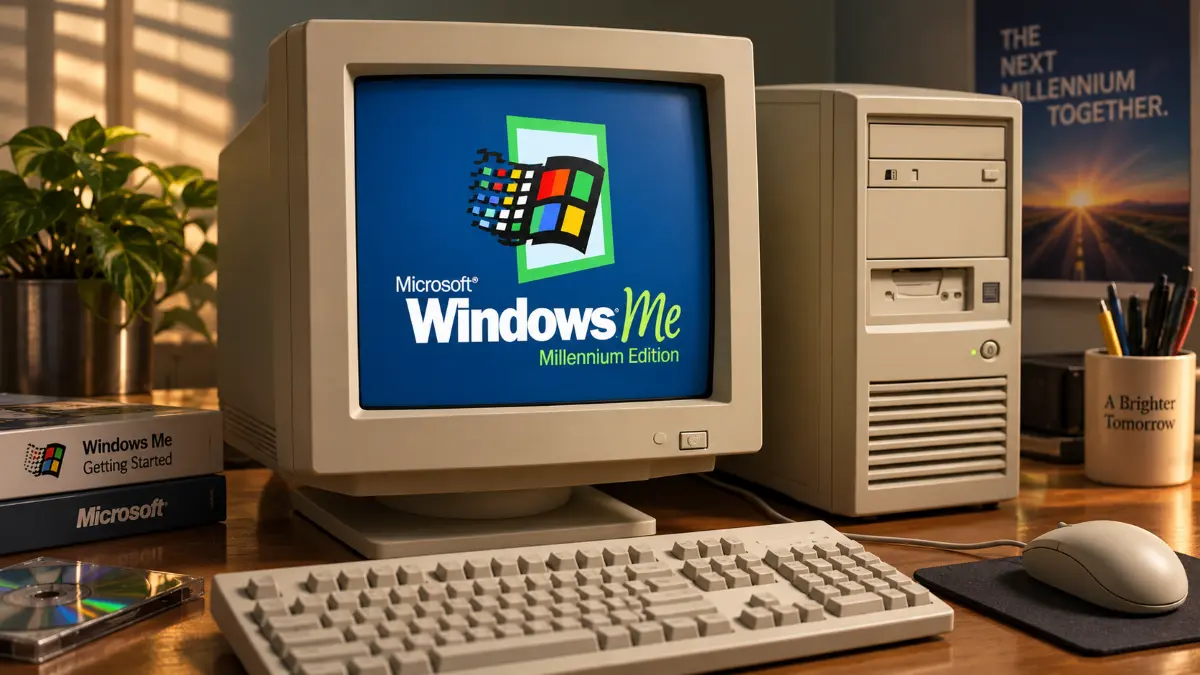
The Legacy of Windows Me in Modern Computing

Microsoft releases Windows Me on September 14, 2000, a system that tackled multimedia integration and home networking. Explore why Windows Me still influences today’s computing.

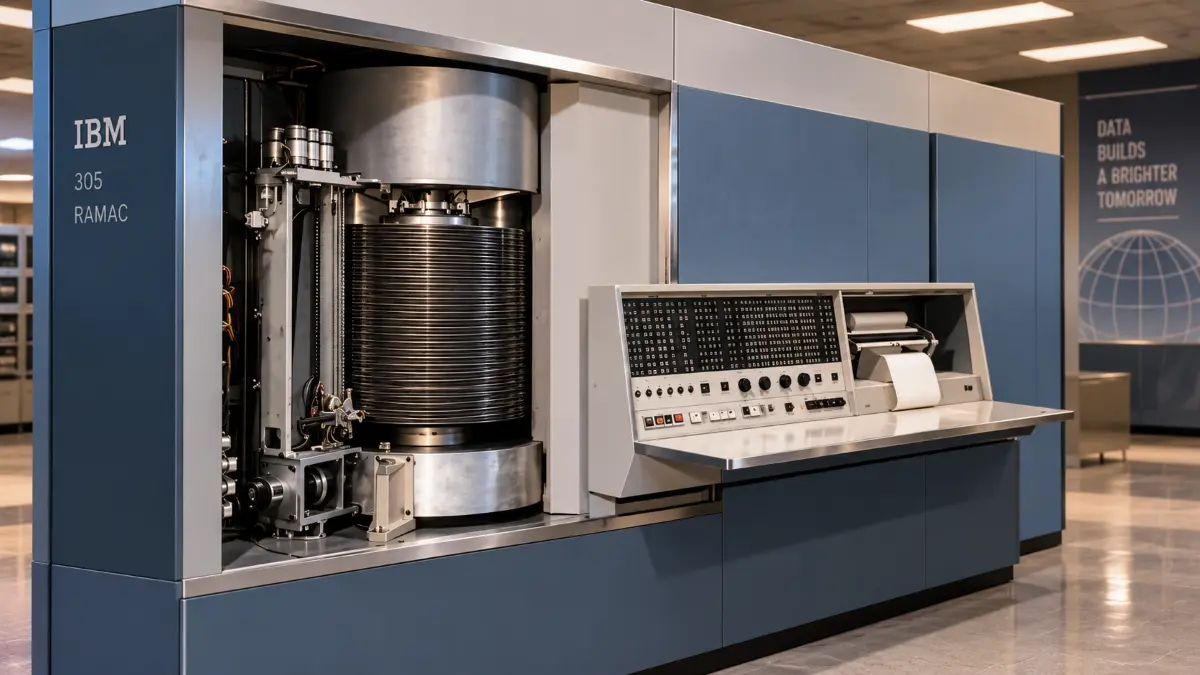
IBM 305 RAMAC Launches Disk Storage Era

The IBM 305 RAMAC introduced disk storage on September 13, 1956, changing data management and computing forever. Explore its impact and legacy.

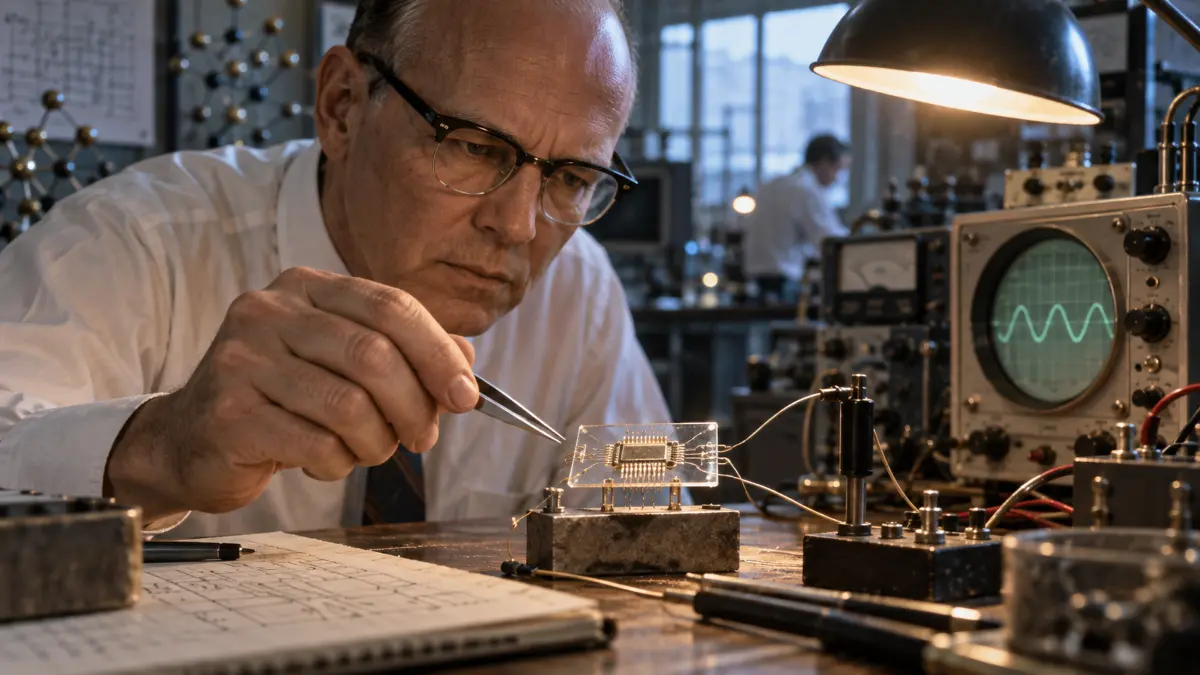
Jack Kilby’s Integrated Circuit Demo in 1958

On September 12, 1958, Jack Kilby demonstrated the first working integrated circuit, a breakthrough that laid the foundation for modern electronics and computing.

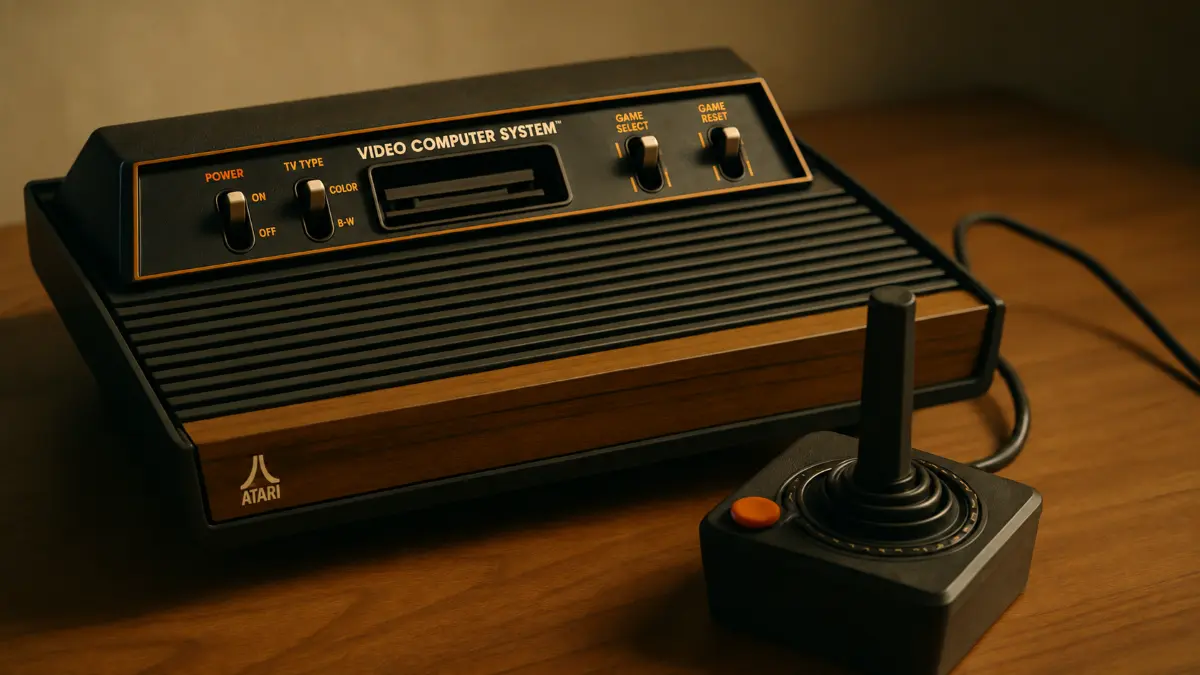
Atari VCS Launch and Its Impact on Home Gaming

Atari released the Video Computer System in 1977, setting the stage for home gaming. Its rise reshaped entertainment and technology culture, influencing gaming today.

Large Hadron Collider Powers Up in 2008

The Large Hadron Collider powered up in 2008, marking a new era in particle physics. Explore how this massive experiment expanded our understanding of the universe and why it still matters.

The First Computer Bug: Harvard Mark II’s Moth Incident

The first computer bug was discovered on September 9, 1947, when a moth lodged in the Harvard Mark II relay. This event highlighted early hardware challenges and debugging’s critical role.

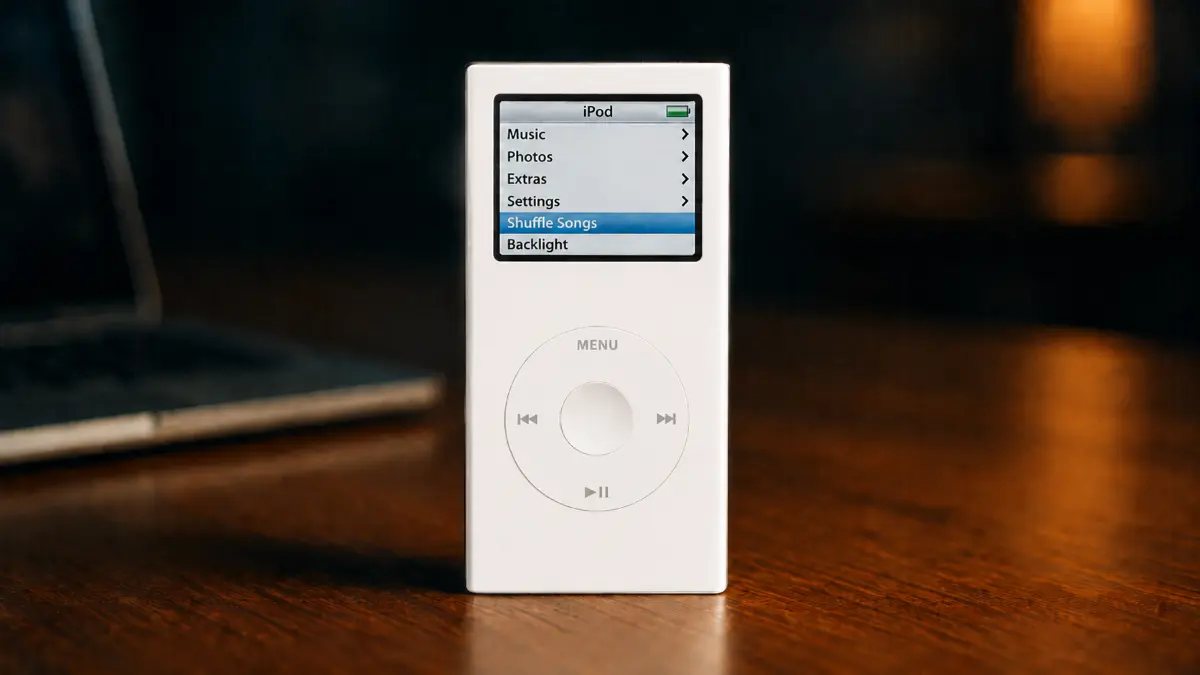
Apple’s iPod Nano Launch and the Flash Storage Shift

The iPod Nano launch in 2005 marked a major shift from hard drives to flash storage, enabling smaller, more reliable devices with longer battery life. This change shaped Apple’s future product designs.

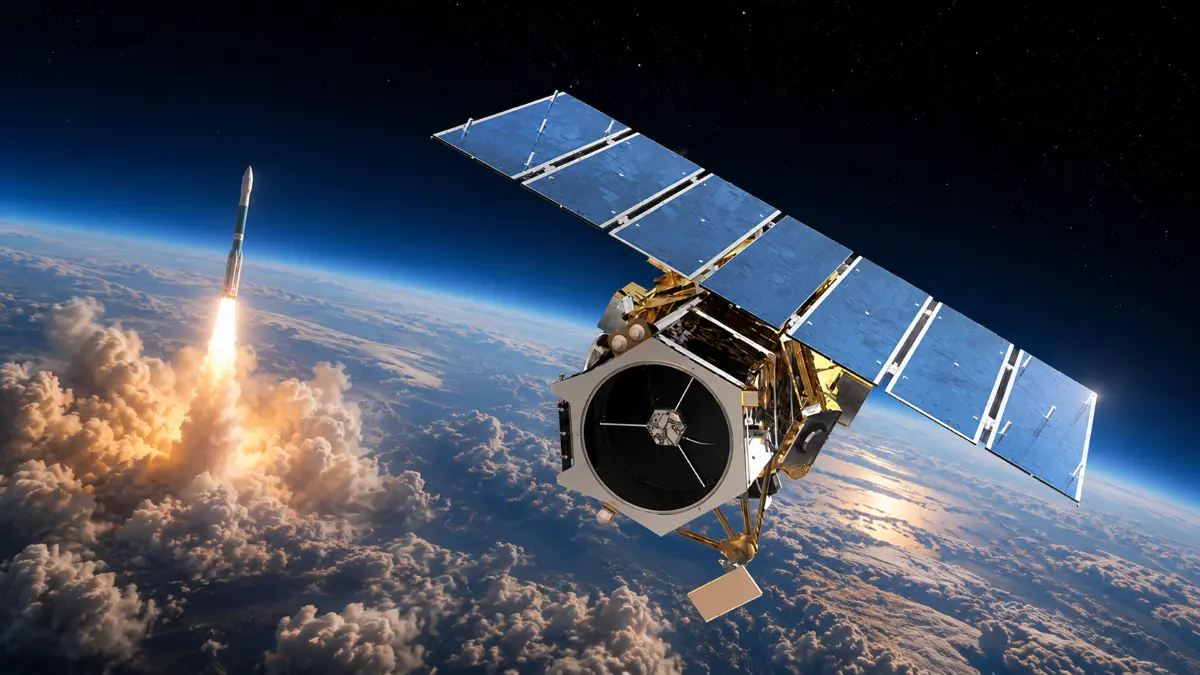
GeoEye-1 Launch and the Evolution of Earth Imaging

The GeoEye-1 launch on September 6, 2008, marked a leap in high-resolution Earth observation, shaping commercial satellite imaging and mapping technologies.

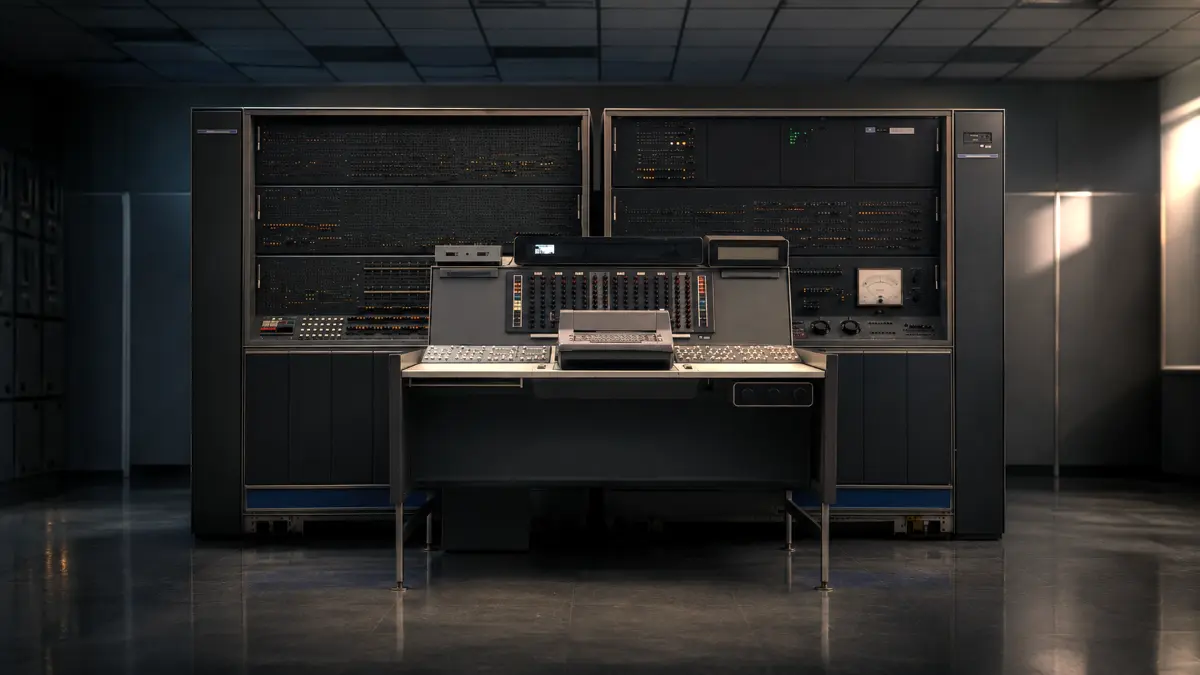
Decommissioning of the IBM 7030 Stretch Mainframe in 1980

The IBM 7030 Stretch mainframe, a transistor-based pioneer and the fastest computer of its era, was decommissioned in 1980 after nearly two decades of service.

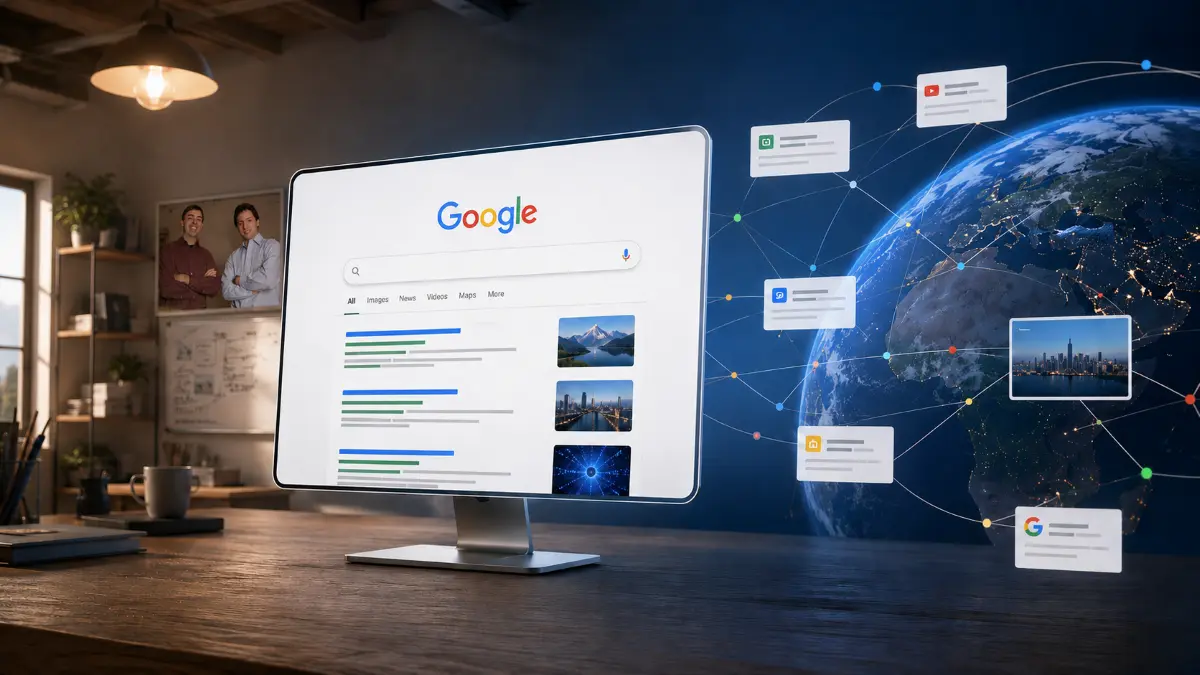
Google’s Founding and Its Impact on Search Technology

On September 4, 1998, Google was founded by Larry Page and Sergey Brin, sparking a new era in search technology that reshaped information access and digital innovation.