2025 Teknalyze. All rights reserved

Teknalyze’s “On This Day” series highlights key moments in technology history, from breakthrough inventions to milestone product launches, adding context to the digital world we use every day.

On This Day
Voyager I’s First Distant Photo of Earth and Moon
The Launch of Linux Kernel 0.01 and Its Enduring Impact
Xerox 914 Debuts as First Successful Photocopier in 1959
Apple IIgs Launches Advanced Graphics and Sound in 1986
The Legacy of Windows Me in Modern Computing
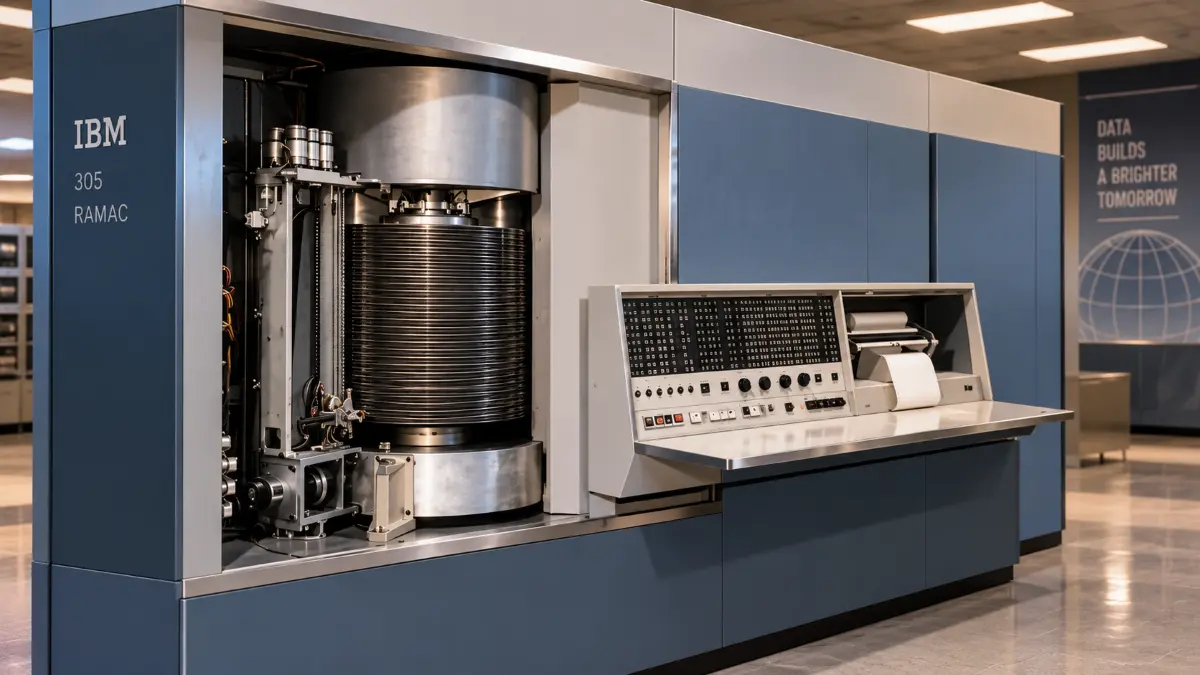
IBM 305 RAMAC Launches Disk Storage Era
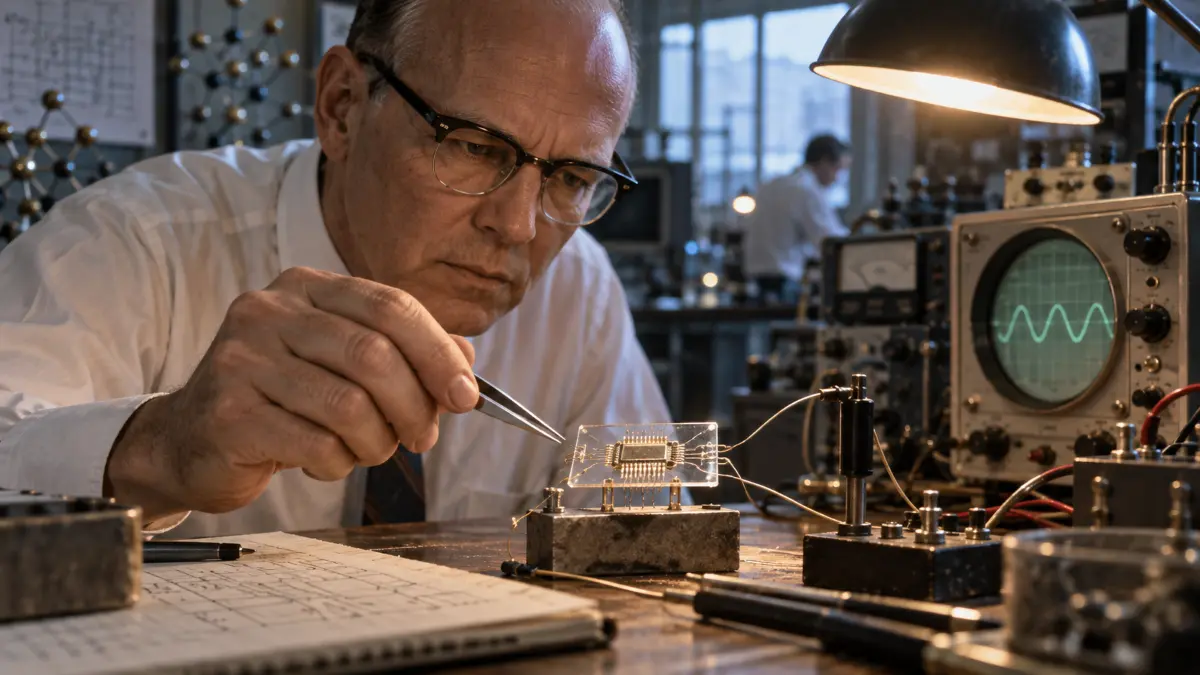
Jack Kilby’s Integrated Circuit Demo in 1958
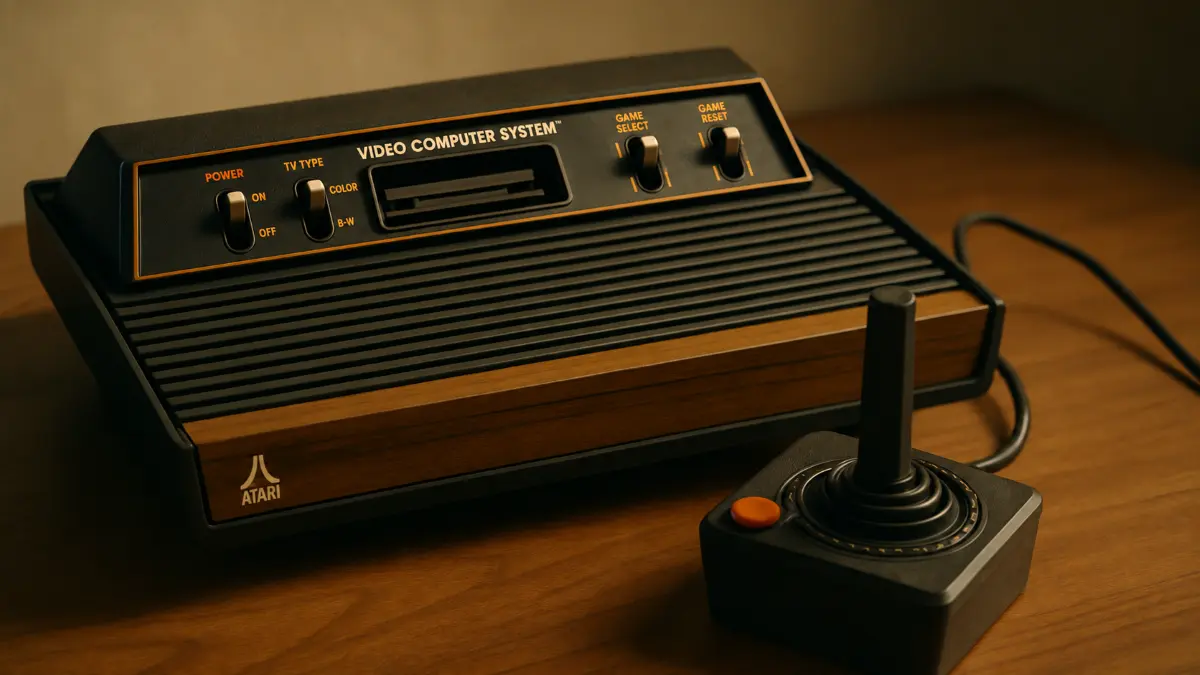
Atari VCS Launch and Its Impact on Home Gaming
Large Hadron Collider Powers Up in 2008
The First Computer Bug: Harvard Mark II’s Moth Incident
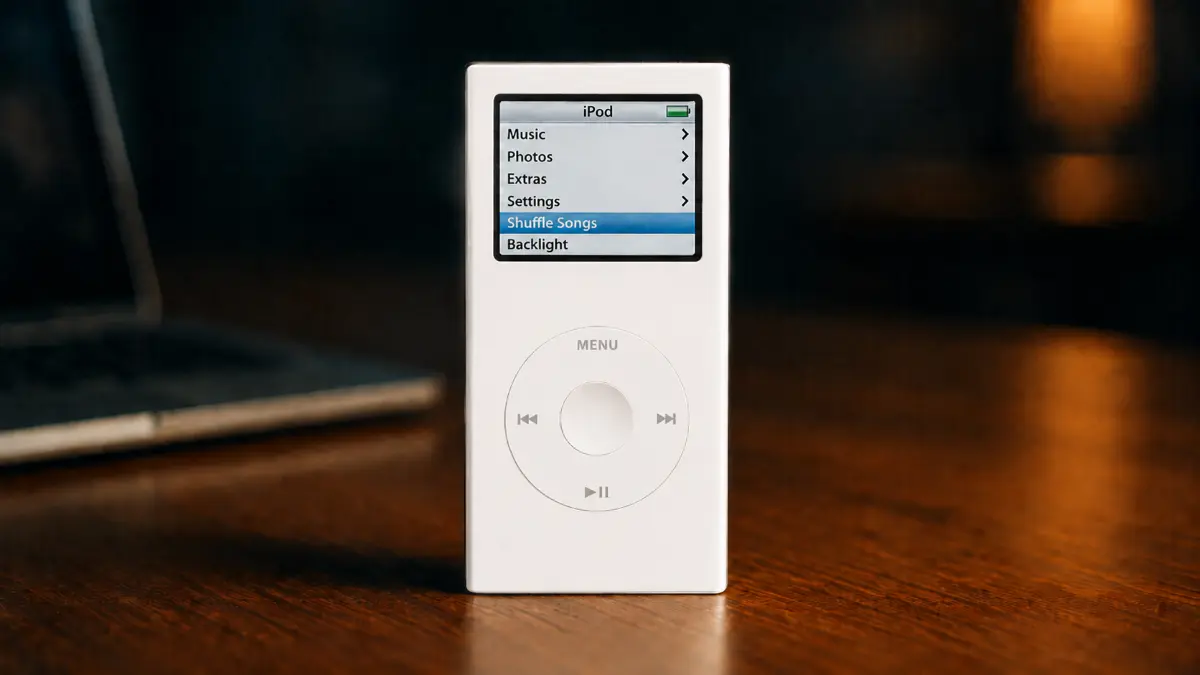
Apple’s iPod Nano Launch and the Flash Storage Shift
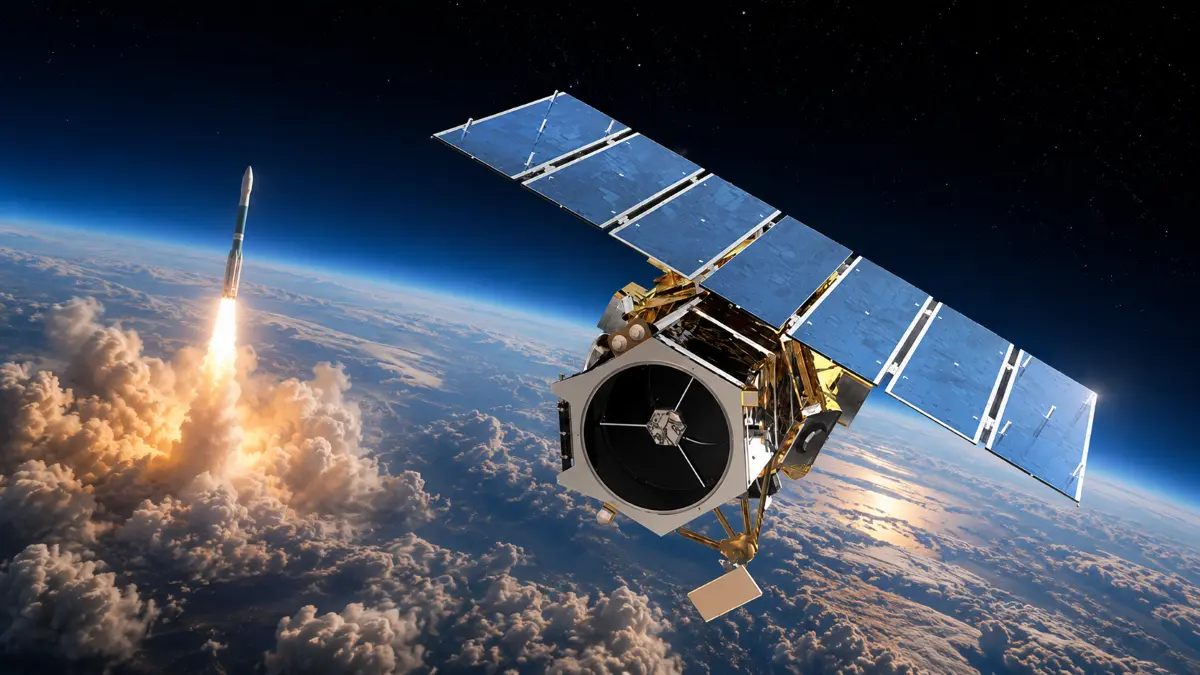
GeoEye-1 Launch and the Evolution of Earth Imaging
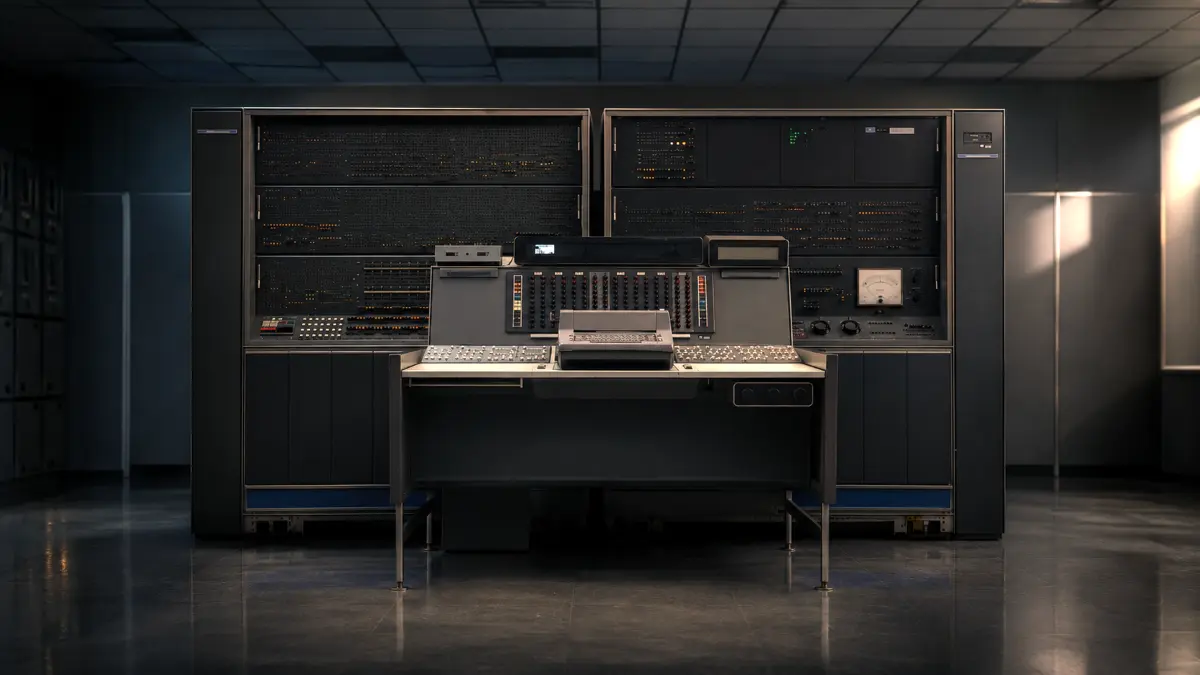
Decommissioning of the IBM 7030 Stretch Mainframe in 1980
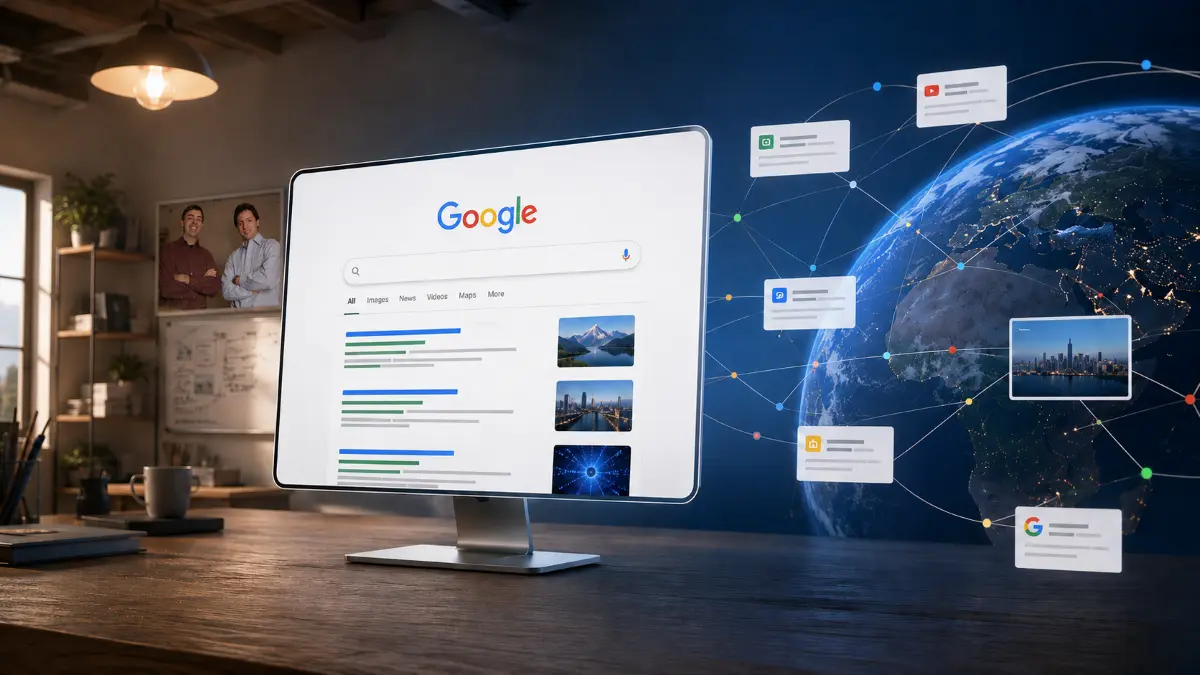
Google’s Founding and Its Impact on Search Technology
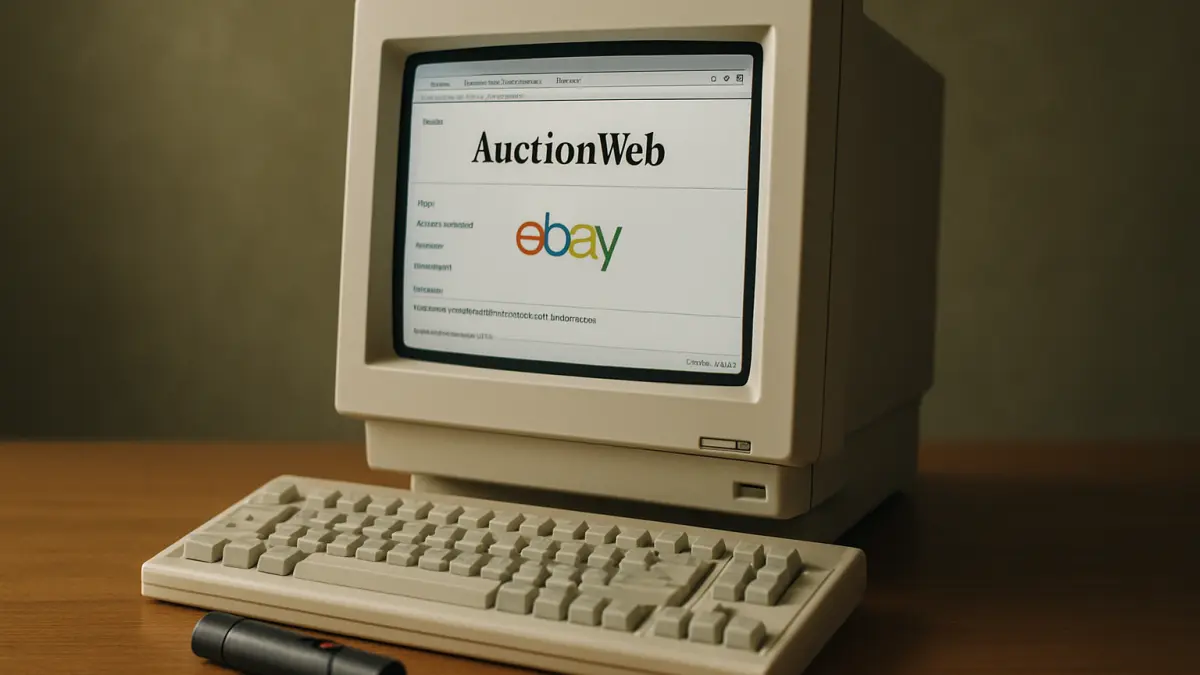
eBay’s Launch and Its Impact on Online Marketplaces
Google Chrome Launch and Its Lasting Impact
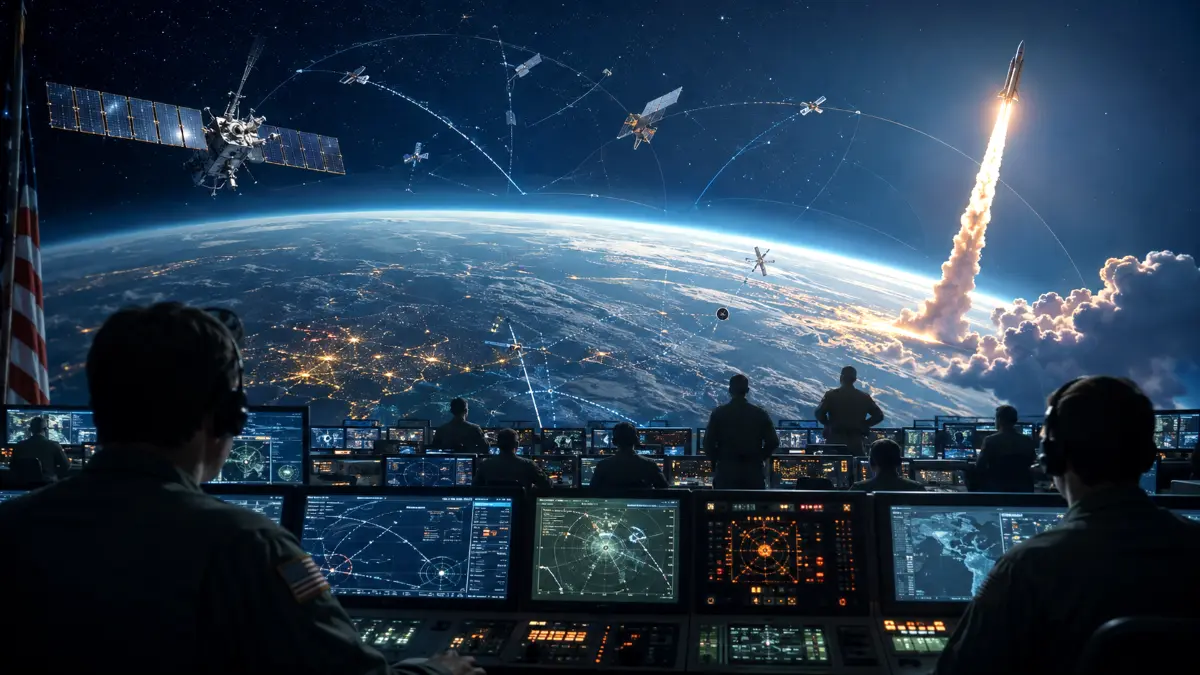
The Founding of the U.S. Air Force Space Command and Its Lasting Impact
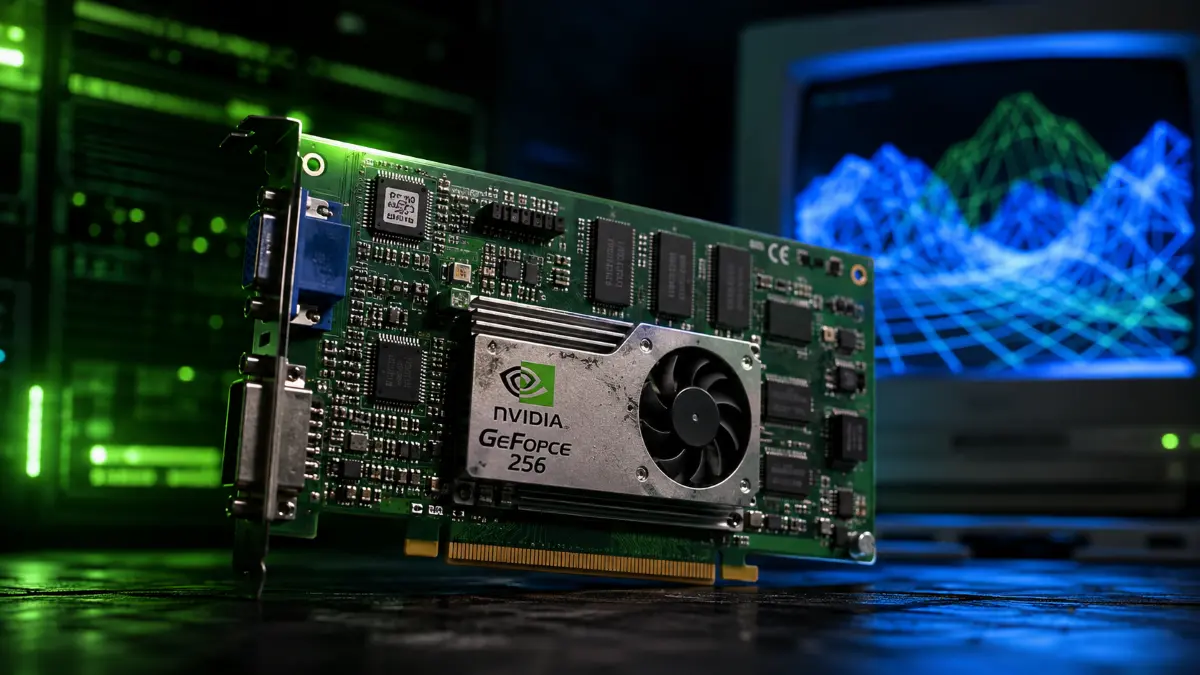
NVIDIA GeForce 256 Launch and Its Lasting Impact on GPUs
The Moscow–Washington Hotline: A Direct Line in Cold War Tech
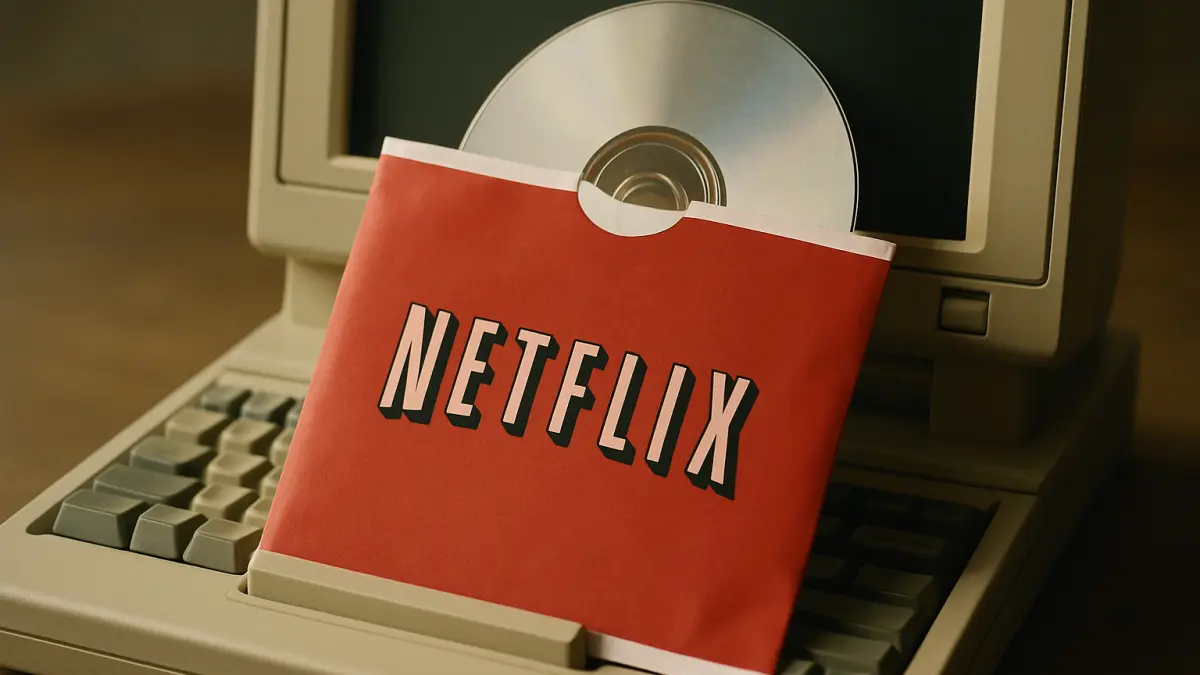
Netflix Launches Internet DVD Rental Service in 1997
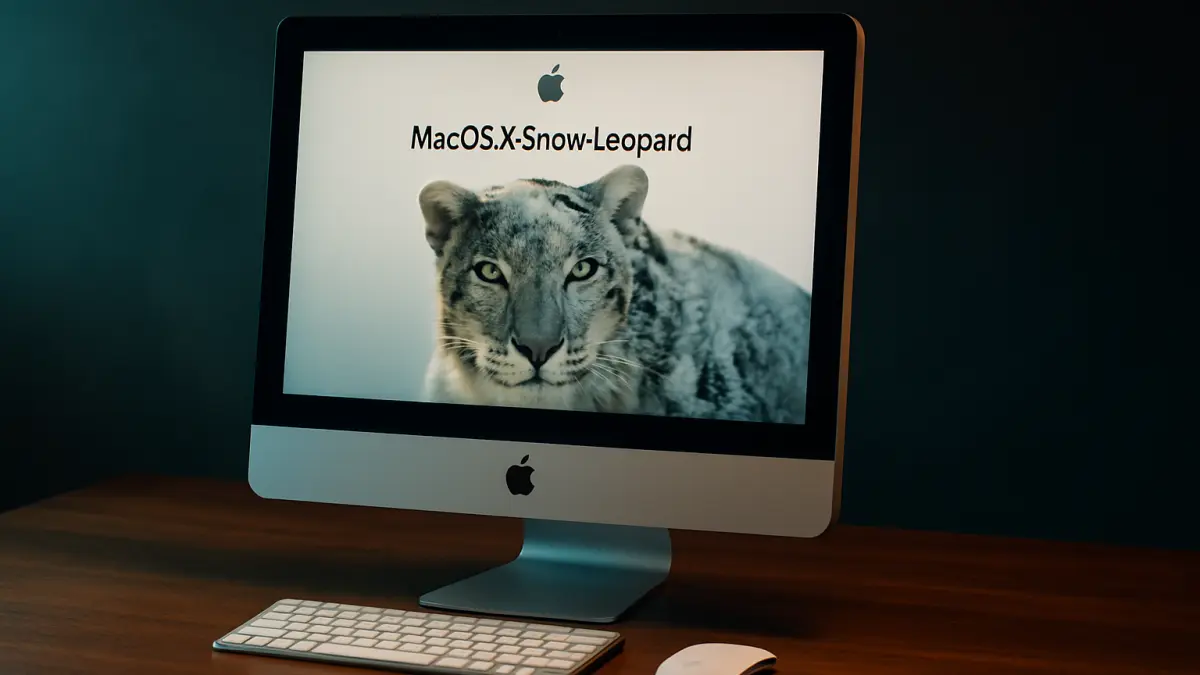
Apple’s Snow Leopard Shifted Mac OS Focus to Intel
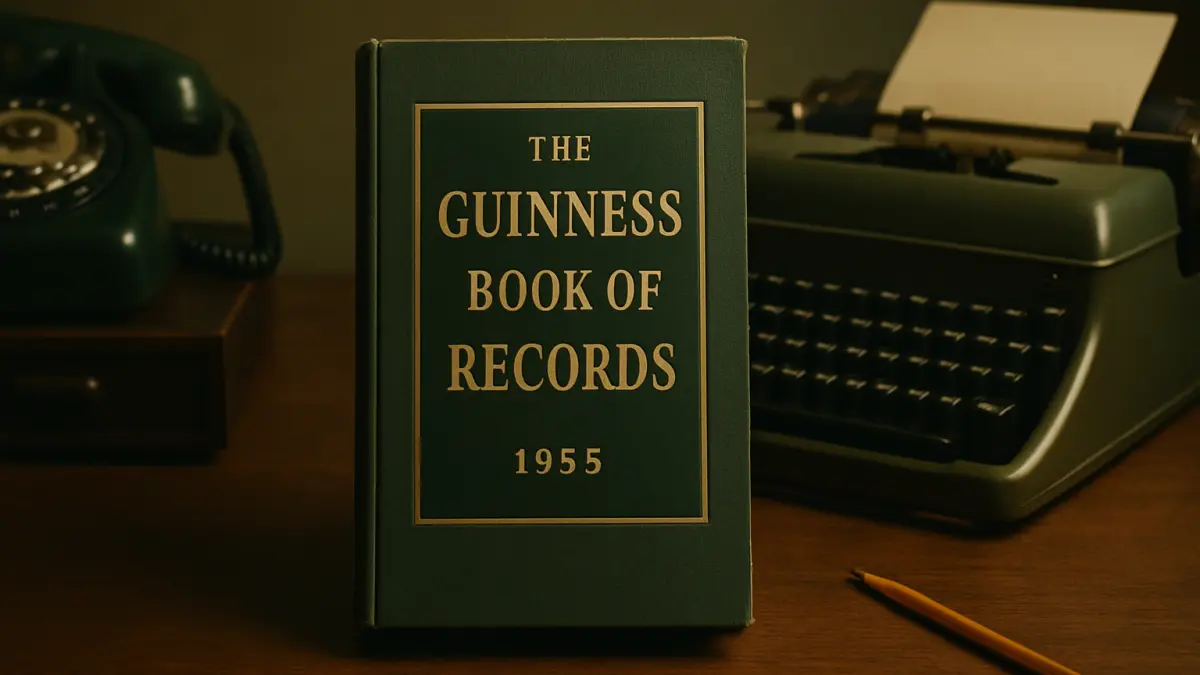
The First Guinness Book of Records and Its Tech Legacy
WQXR’s First Tape Recorder Broadcast 1938
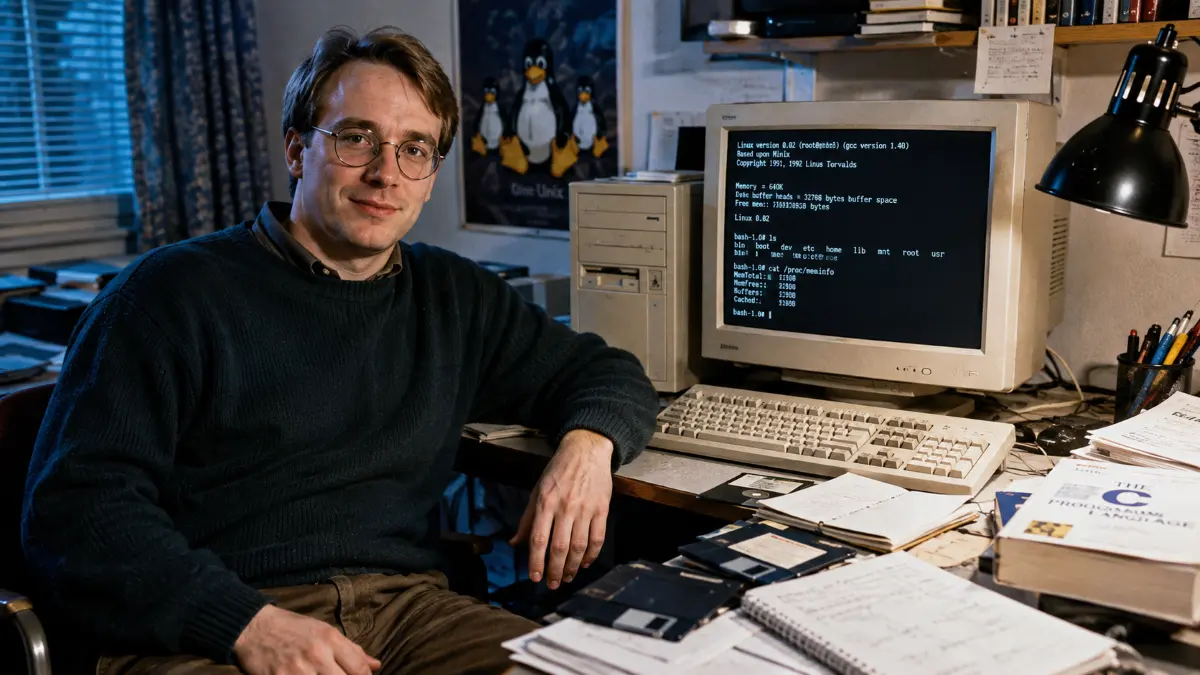
Linus Torvalds Announces Linux Operating System in 1991
Steve Jobs Steps Down as Apple CEO in 2011
The World Wide Web Opens to the Public in 1991
The Legend of Zelda’s 1987 Impact on RPG Gaming
William Seward Burroughs’ Adding Machine Patent 1888
Commercial Radio’s First Broadcast in Detroit 1920
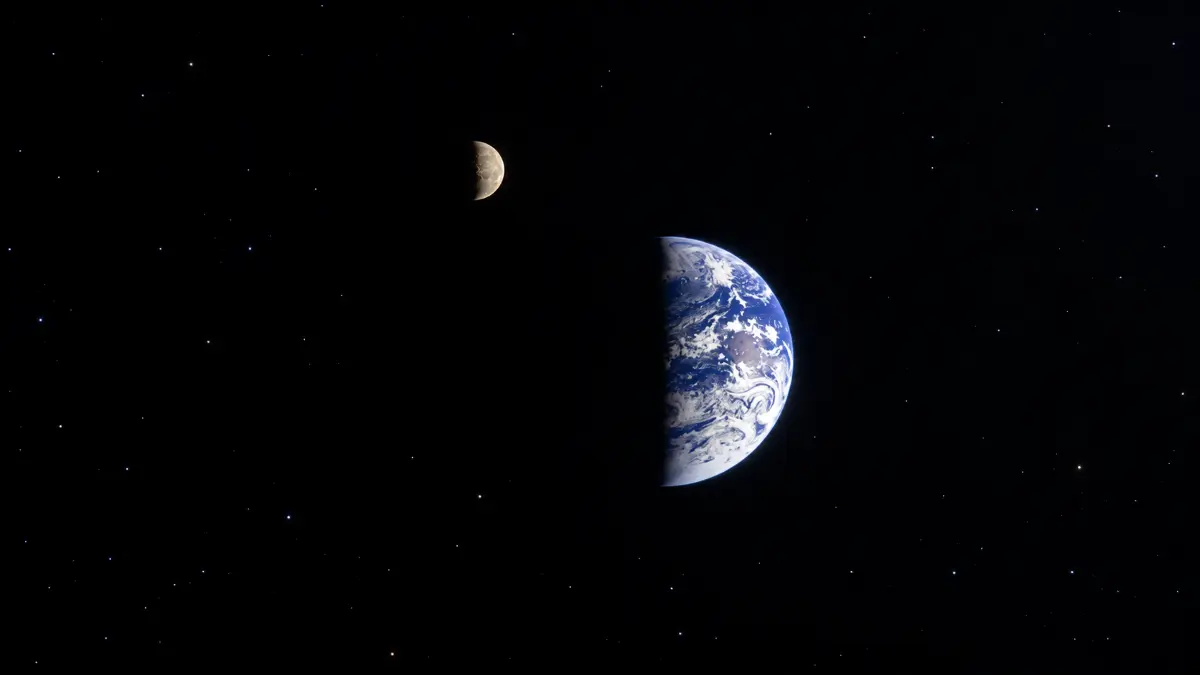
Voyager I’s First Distant Photo of Earth and Moon

On September 18, 1977, Voyager I captured its first distant photograph of Earth and the Moon together, opening new perspectives on planetary imaging and space exploration.

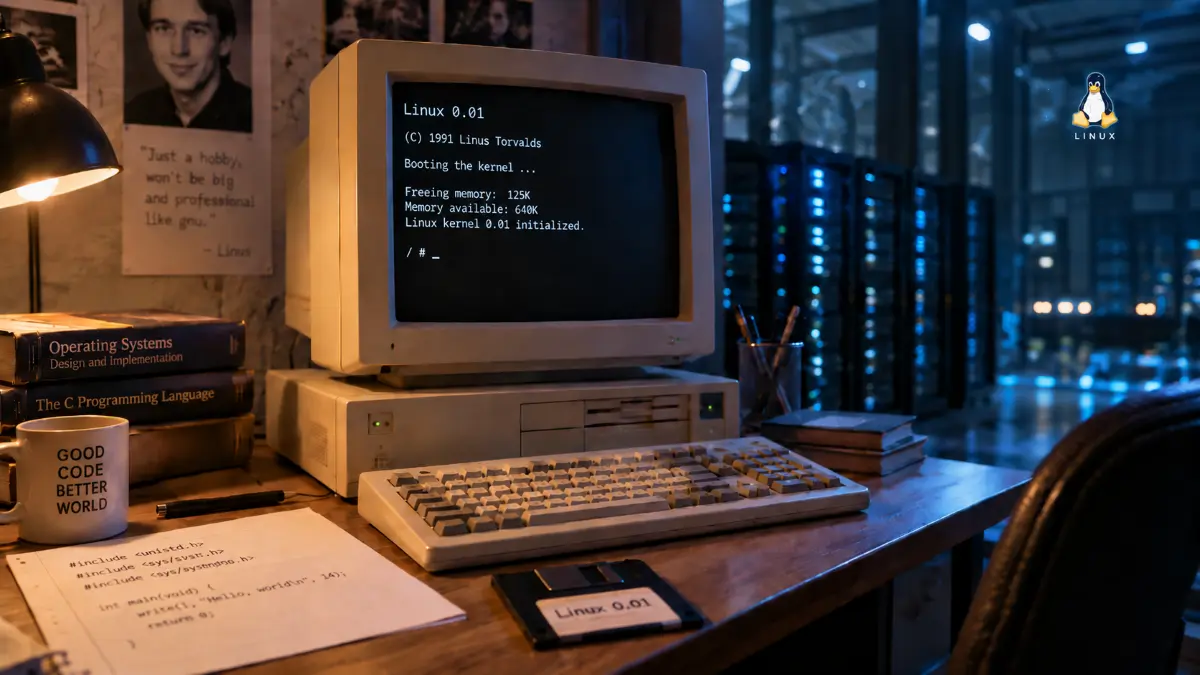
The Launch of Linux Kernel 0.01 and Its Enduring Impact

The release of the Linux kernel 0.01 on September 17, 1991, marked a key moment in open-source software development, enabling collaborative innovation and modern computing foundations.

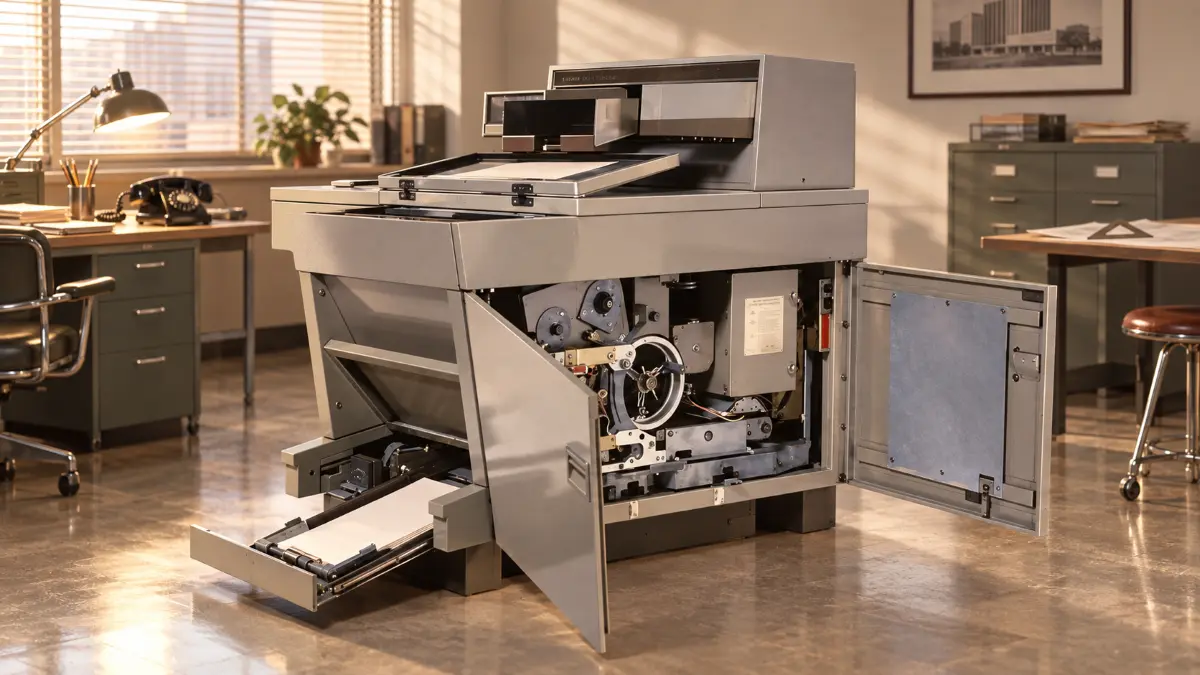
Xerox 914 Debuts as First Successful Photocopier in 1959

The Xerox 914 photocopier was introduced in 1959, changing document handling by solving copying challenges and shaping office workflows for decades.

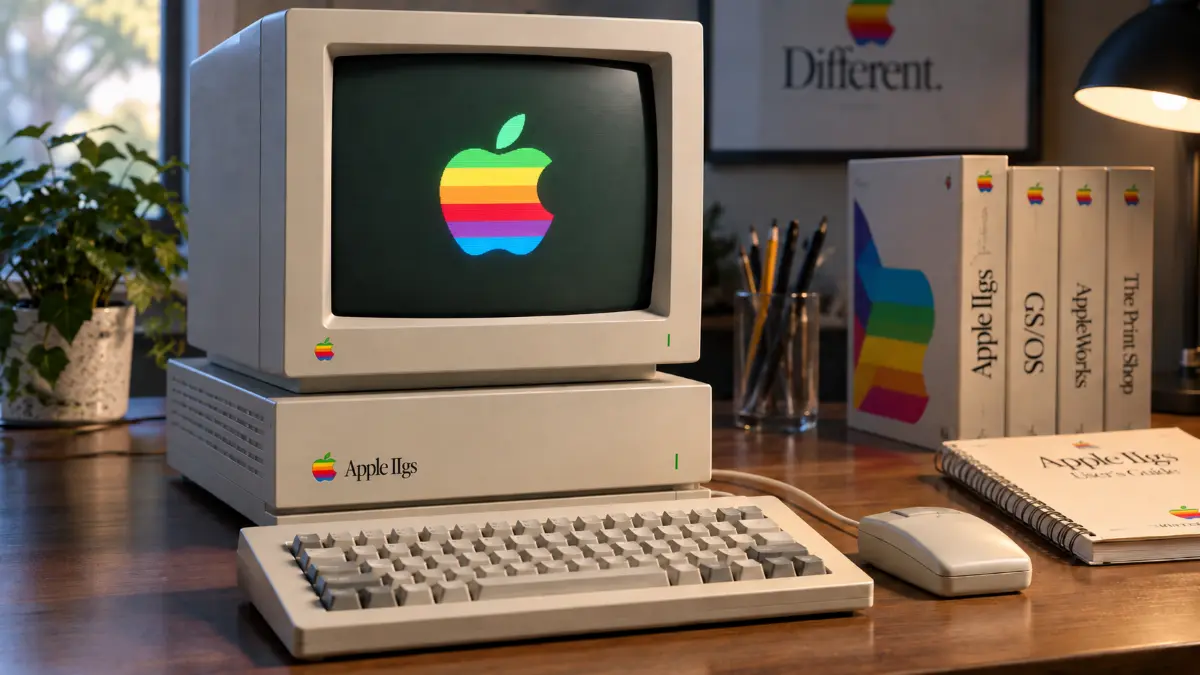
Apple IIgs Launches Advanced Graphics and Sound in 1986

On September 15, 1986, Apple introduced the Apple IIgs, combining Apple II legacy with Macintosh features to deliver advanced graphics and sound, pushing personal computing forward.

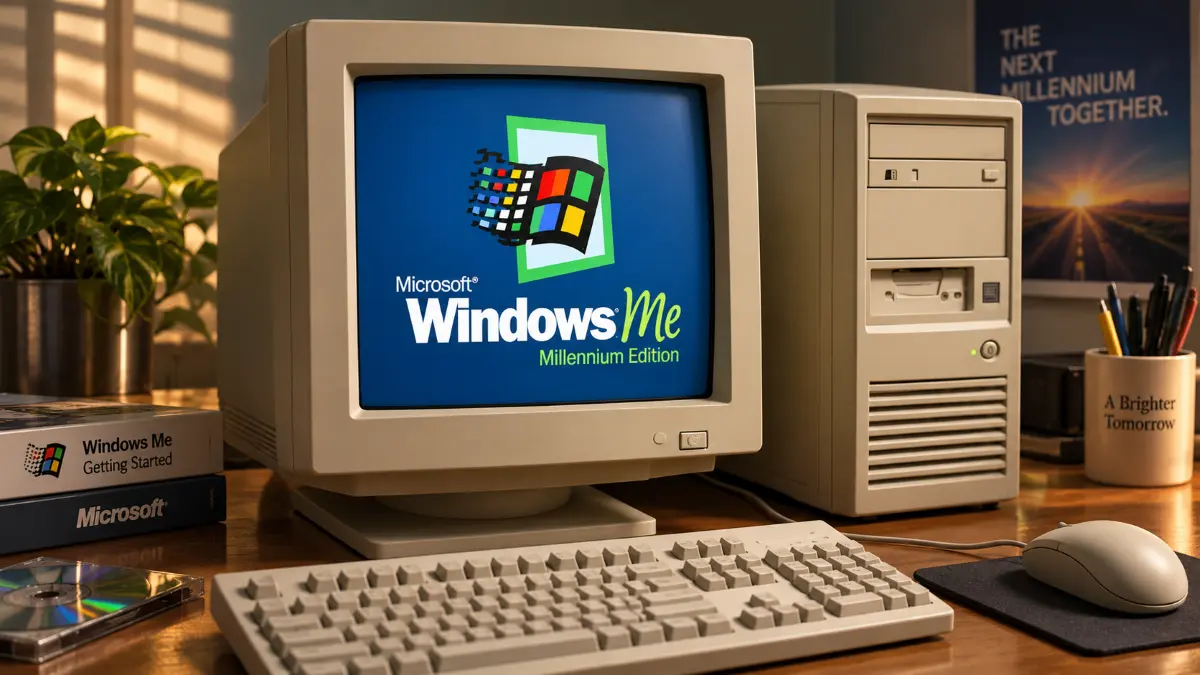
The Legacy of Windows Me in Modern Computing

Microsoft releases Windows Me on September 14, 2000, a system that tackled multimedia integration and home networking. Explore why Windows Me still influences today’s computing.

IBM 305 RAMAC Launches Disk Storage Era

The IBM 305 RAMAC introduced disk storage on September 13, 1956, changing data management and computing forever. Explore its impact and legacy.

Jack Kilby’s Integrated Circuit Demo in 1958

On September 12, 1958, Jack Kilby demonstrated the first working integrated circuit, a breakthrough that laid the foundation for modern electronics and computing.

Atari VCS Launch and Its Impact on Home Gaming

Atari released the Video Computer System in 1977, setting the stage for home gaming. Its rise reshaped entertainment and technology culture, influencing gaming today.

Large Hadron Collider Powers Up in 2008

The Large Hadron Collider powered up in 2008, marking a new era in particle physics. Explore how this massive experiment expanded our understanding of the universe and why it still matters.

The First Computer Bug: Harvard Mark II’s Moth Incident

The first computer bug was discovered on September 9, 1947, when a moth lodged in the Harvard Mark II relay. This event highlighted early hardware challenges and debugging’s critical role.

Apple’s iPod Nano Launch and the Flash Storage Shift

The iPod Nano launch in 2005 marked a major shift from hard drives to flash storage, enabling smaller, more reliable devices with longer battery life. This change shaped Apple’s future product designs.

GeoEye-1 Launch and the Evolution of Earth Imaging

The GeoEye-1 launch on September 6, 2008, marked a leap in high-resolution Earth observation, shaping commercial satellite imaging and mapping technologies.

Decommissioning of the IBM 7030 Stretch Mainframe in 1980

The IBM 7030 Stretch mainframe, a transistor-based pioneer and the fastest computer of its era, was decommissioned in 1980 after nearly two decades of service.

Google’s Founding and Its Impact on Search Technology

On September 4, 1998, Google was founded by Larry Page and Sergey Brin, sparking a new era in search technology that reshaped information access and digital innovation.

eBay’s Launch and Its Impact on Online Marketplaces

The eBay launch in 1995 marked a new era for online marketplaces, solving trust and accessibility issues in peer-to-peer commerce that still resonate today.

Google Chrome Launch and Its Lasting Impact

Explore the Google Chrome launch on September 2, 2008, and how it reshaped web browsing by tackling speed, security, and simplicity, with effects still felt today.

The Founding of the U.S. Air Force Space Command and Its Lasting Impact

On September 1, 1982, the U.S. Air Force Space Command was founded, marking a new era in military space operations and shaping space technology strategies still relevant today.

NVIDIA GeForce 256 Launch and Its Lasting Impact on GPUs

NVIDIA introduced the GeForce 256 on August 31, 1999, marking the debut of the first GPU. This innovation offloaded graphics math from CPUs, reshaping computing and gaming forever.

The Moscow–Washington Hotline: A Direct Line in Cold War Tech

The Moscow–Washington hotline began operation on August 30, 1963, creating a direct communication link between U.S. and Soviet leaders that reshaped crisis management during the Cold War.

Netflix Launches Internet DVD Rental Service in 1997

Netflix launched as an internet DVD rental service on August 29, 1997, introducing a new model for media consumption that reshaped entertainment delivery.

Apple’s Snow Leopard Shifted Mac OS Focus to Intel

Apple’s release of Snow Leopard in 2009 dropped PowerPC support and ended AppleTalk, marking a major shift to Intel optimization and modern networking protocols.

The First Guinness Book of Records and Its Tech Legacy

The first edition of the Guinness Book of Records was published on August 27, 1955. Explore how this iconic record book influenced data collection, verification, and media technology.

WQXR’s First Tape Recorder Broadcast 1938

On August 26, 1938, WQXR in New York City aired the first tape recorder broadcast using the Phillips-Miller system. This breakthrough reshaped radio production and audio technology.

Linus Torvalds Announces Linux Operating System in 1991

On August 25, 1991, Linus Torvalds announced he was developing the Linux operating system, setting the stage for a new era in open-source software and computing.

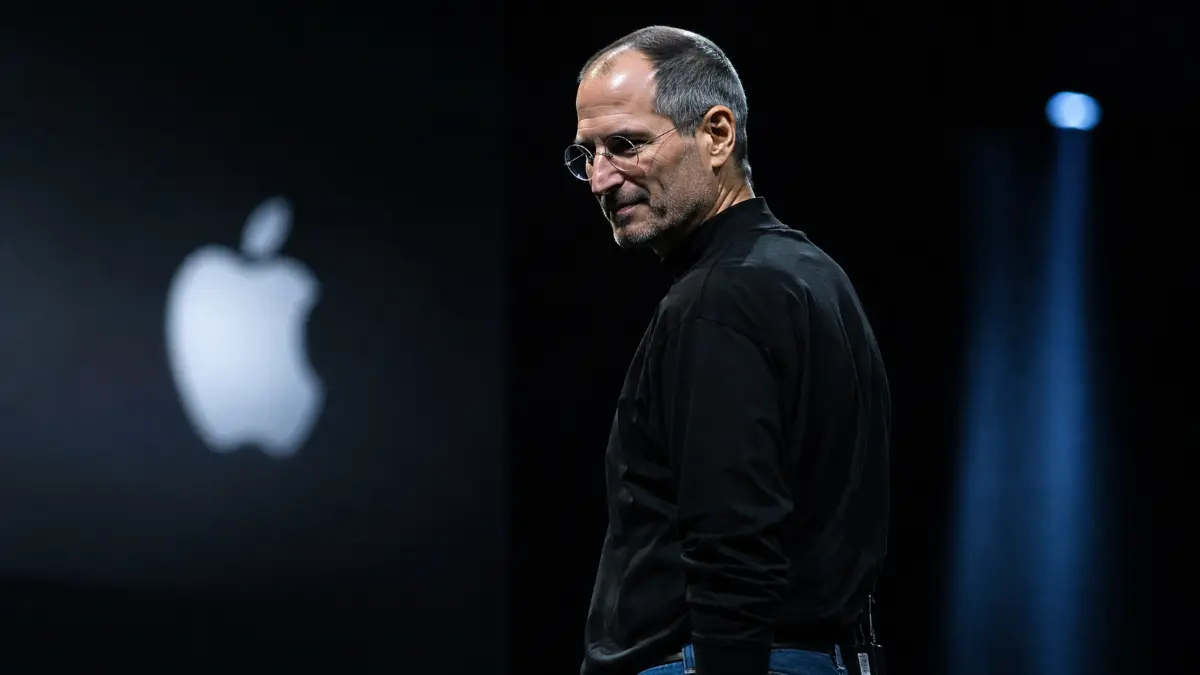
Steve Jobs Steps Down as Apple CEO in 2011

On August 24, 2011, Steve Jobs steps down as Apple CEO, marking a critical shift in leadership that shaped the future of technology and innovation.

The World Wide Web Opens to the Public in 1991

On August 23, 1991, the World Wide Web opens to the public, transforming information sharing and digital communication. Explore its impact and lasting relevance.

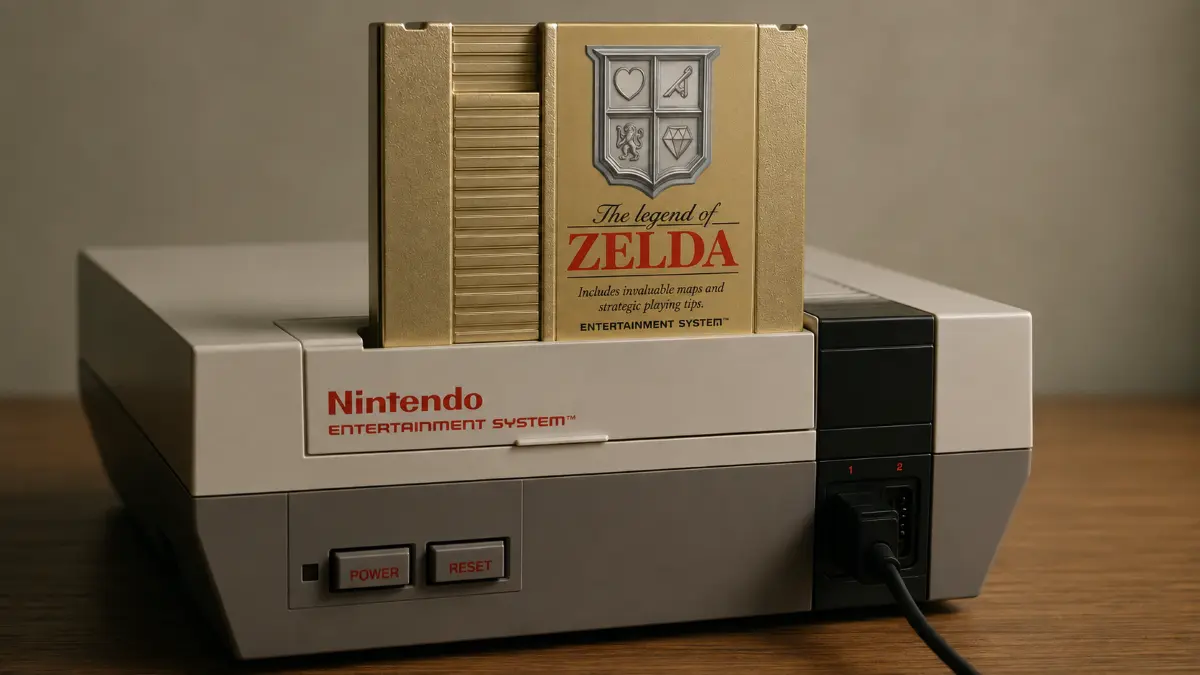
The Legend of Zelda’s 1987 Impact on RPG Gaming

The Legend of Zelda’s 1987 release for NES shaped role-playing games by introducing open-world exploration and narrative depth, setting standards that still influence gaming today.

William Seward Burroughs’ Adding Machine Patent 1888

On August 21, 1888, William Seward Burroughs patented the first successful adding machine in the United States, setting the stage for modern calculation tools.

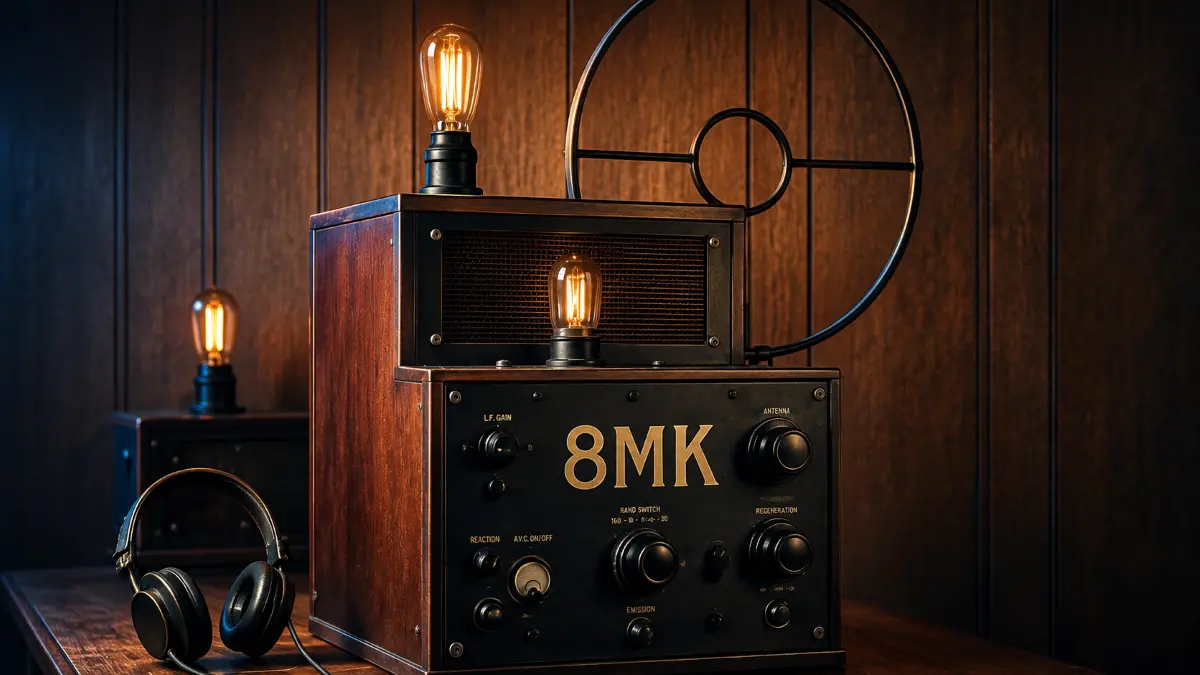
Commercial Radio’s First Broadcast in Detroit 1920

The first commercial radio station, 8MK, began operations in Detroit in 1920, setting the stage for modern broadcasting and transforming media consumption.