2025 Teknalyze. All rights reserved

Teknalyze’s “On This Day” series highlights key moments in technology history, from breakthrough inventions to milestone product launches, adding context to the digital world we use every day.

On This Day
Apple’s G4 Cube and the Future of Desktop Design
First Photo Posted to the World Wide Web in 1992
Apple’s iCal Launch and the Evolution of Digital Calendars
Apollo 11 Launch: The Dawn of Lunar Exploration
Twitter Launch 2006: The Birth of Real-Time Social Media
Mariner 4’s First Mars Fly-By and Its Lasting Impact
Code Red Worm’s Impact on Internet Security
Final Fantasy’s NES Debut and Its Lasting Impact on RPGs
Hewlett-Packard’s 200A Oscillator Patent Filed in 1939
Telstar I Launch Ushered in Global Communications
Gil Amelio’s Resignation and Steve Jobs’ Return to Apple
Control Data Corporation’s Role in Supercomputing Origins
NASA Opportunity Rover Launch and Its Lasting Impact on Mars Exploration
AOL Ends Hourly Billing, Sparks User Surge in 1996
Jeff Bezos Founds Amazon and Redefines E-Commerce
MIT Whirlwind’s Keyboard Input Breakthrough
UCLA’s 1969 Network Press Release and Its Lasting Impact
IBM 650 Launch 1953: The Dawn of Mass-Produced Computing
Sony Walkman’s 1979 Launch and Its Lasting Audio Impact
Apple Music Launch Expands Global Streaming Access
Apple’s First iPhone Launch and Its Lasting Impact
Early Bird Launches Global Satellite Communications
Atari’s Founding and the Dawn of Video Games
The First Bipolar Junction Transistor Patent and Its Lasting Impact
Microsoft’s 1981 Incorporation and Its Lasting Impact on Tech Business
Apple iPhone 4 Launch and Its Lasting Impact on Mobile Tech
The Founding of Reddit and Its Impact on Digital Communities
IBM 704 Launch and Its Impact on Computing
SpaceShipOne’s 2004 Private Spaceflight Breakthrough
SEAC’s All-Diode Logic Breakthrough in 1950
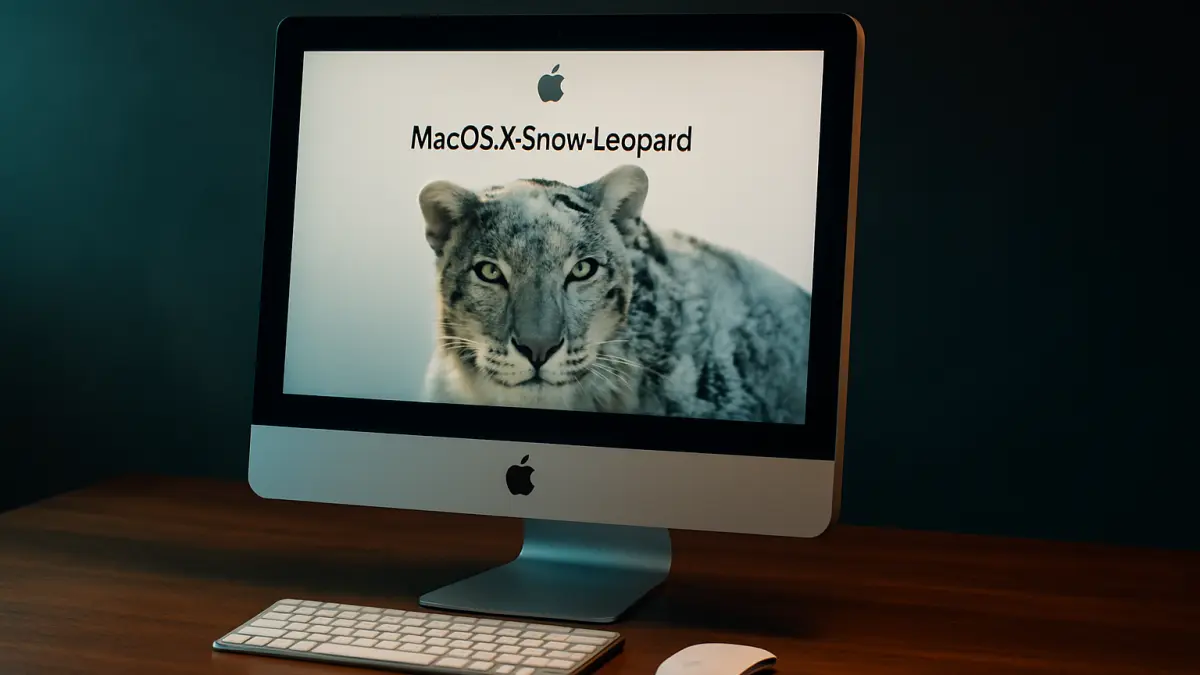
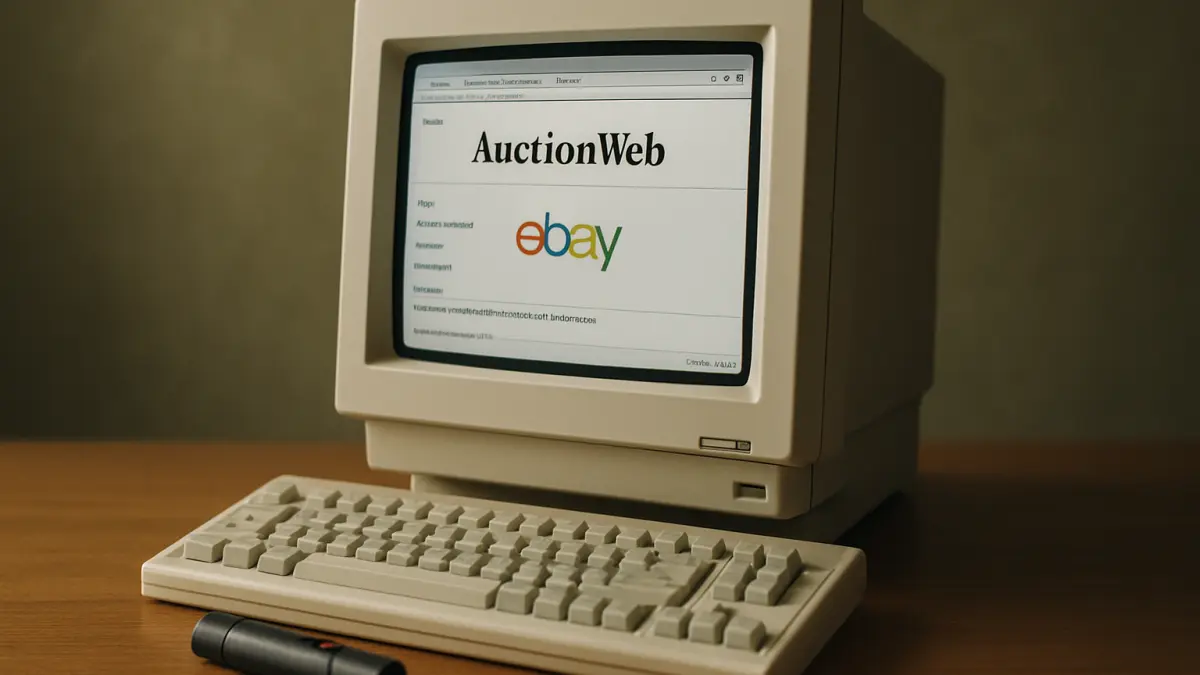
Apple’s G4 Cube and the Future of Desktop Design

Apple’s G4 Cube introduced on July 19, 2000, redefined desktop design with its compact form and innovative engineering, influencing future Apple products.

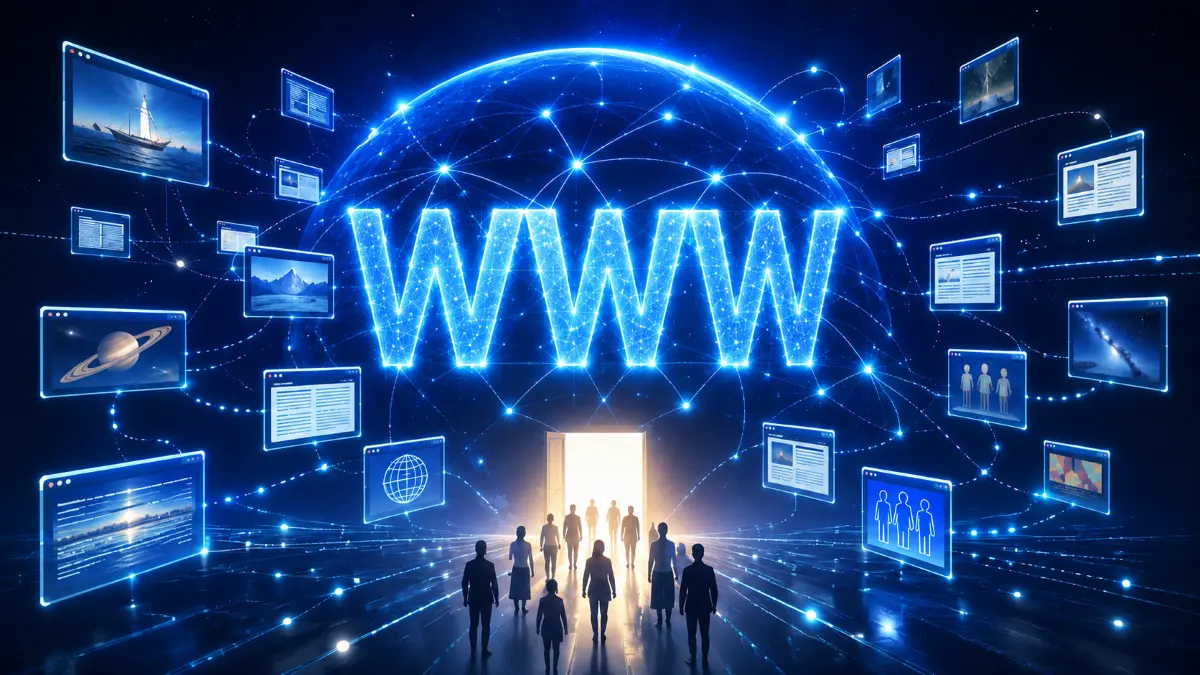
First Photo Posted to the World Wide Web in 1992

On July 18, 1992, the first photo posted to the World Wide Web changed how we share images online and laid groundwork for the web’s visual culture.

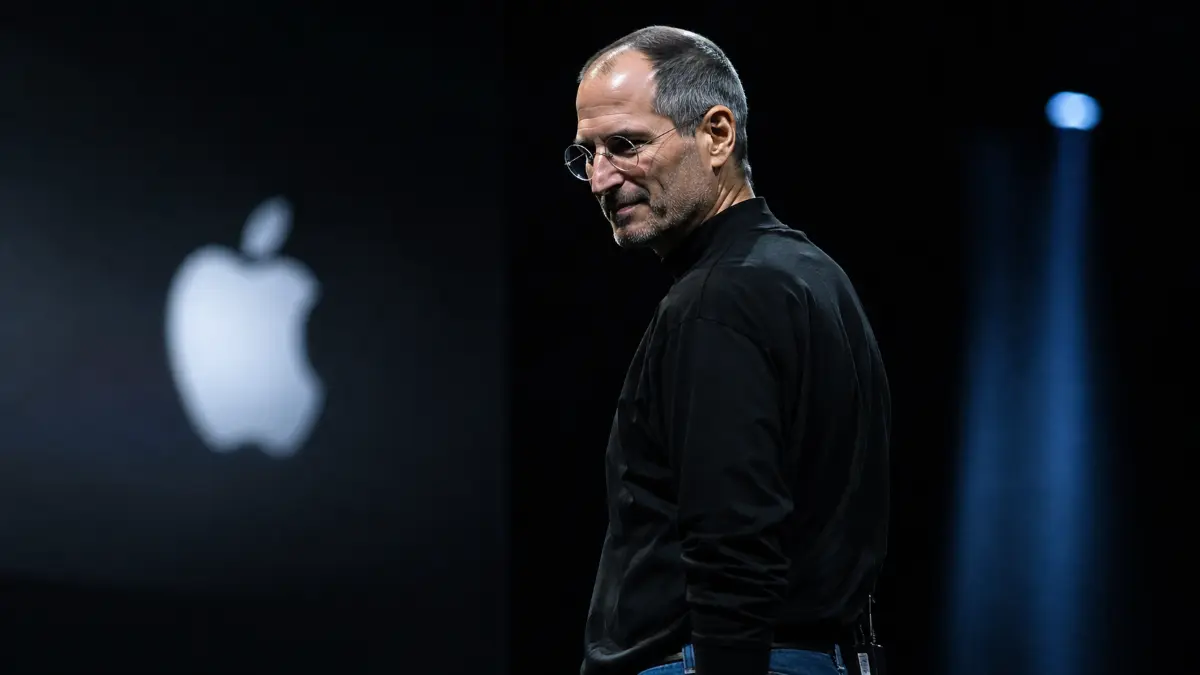
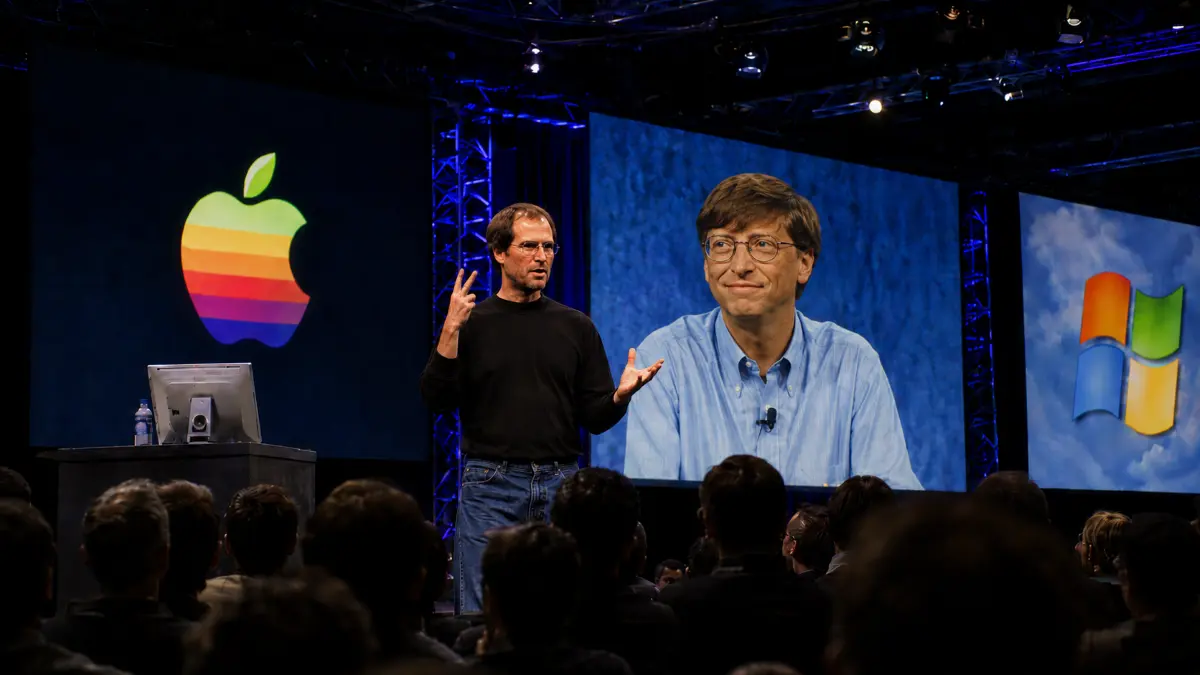
Apple’s iCal Launch and the Evolution of Digital Calendars

On July 17, 2002, Steve Jobs introduced Apple iCal, a breakthrough calendaring software that reshaped how users managed and shared schedules across devices.

Apollo 11 Launch: The Dawn of Lunar Exploration

The Apollo 11 lunar landing mission launched on July 16, 1969, marking a breakthrough in space exploration technology and enabling humanity’s first steps on the Moon.

Twitter Launch 2006: The Birth of Real-Time Social Media

Explore the Twitter launch 2006 and how this social media platform redefined real-time communication, shaping digital interaction and information sharing today.

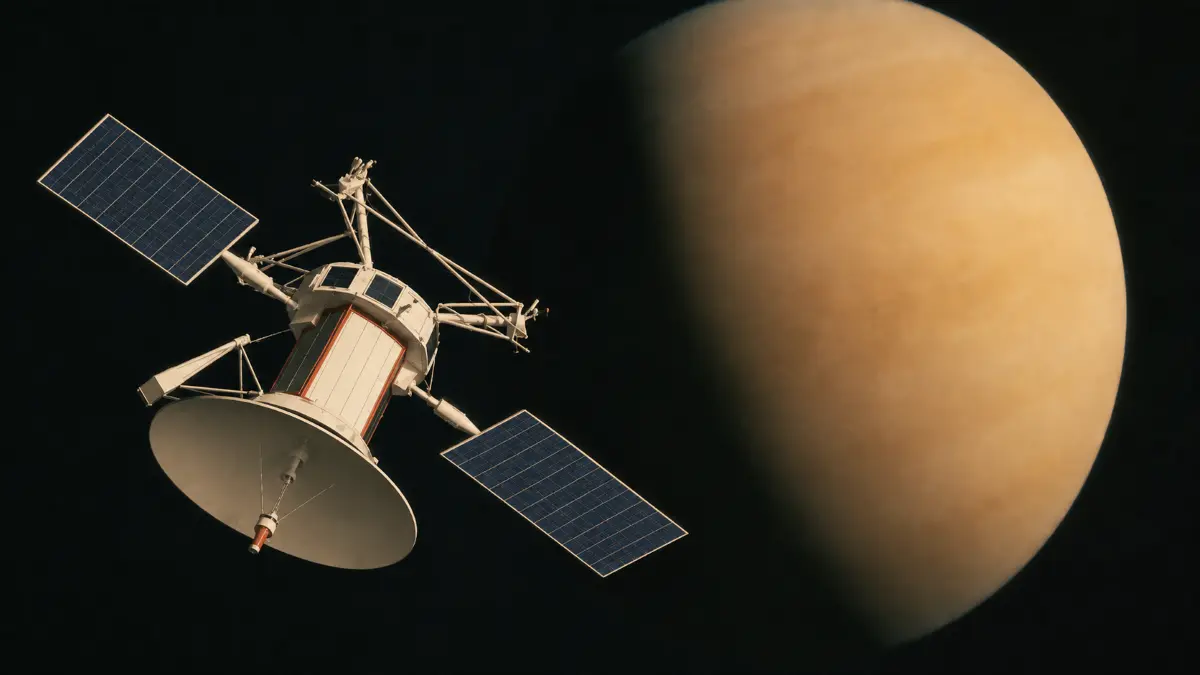
Mariner 4’s First Mars Fly-By and Its Lasting Impact

NASA’s Mariner 4 Mars fly-by in 1965 sent back the first close-up photos of Mars, revealing its cratered surface and opening new frontiers in planetary exploration.

Code Red Worm’s Impact on Internet Security

The Code Red worm, unleashed on July 13, 2001, exploited Microsoft IIS servers to spread rapidly, exposing critical vulnerabilities in Internet security that still influence defenses today.

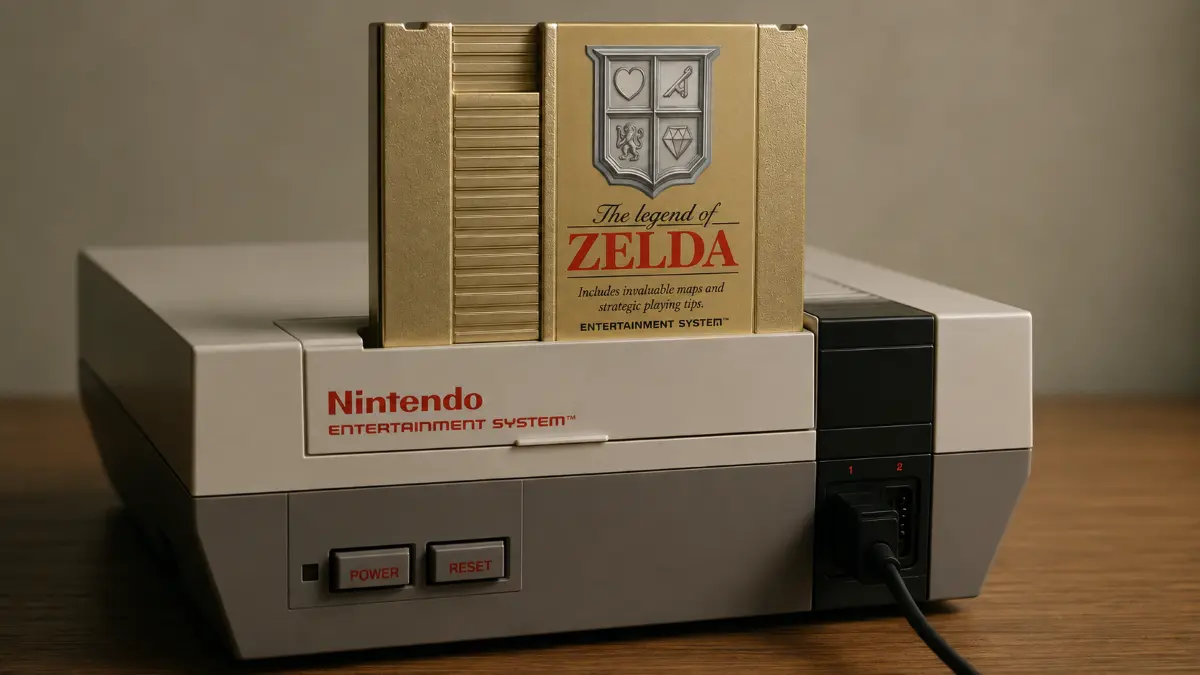
Final Fantasy’s NES Debut and Its Lasting Impact on RPGs

The Final Fantasy NES release on July 12, 1990, redefined role-playing games by popularizing the genre and launching a franchise that still shapes RPG design today.

Hewlett-Packard’s 200A Oscillator Patent Filed in 1939

On July 11, 1939, Bill Hewlett filed a patent for the Hewlett-Packard 200A oscillator, a design that set new standards in electronic test equipment and launched HP’s legacy.

Telstar I Launch Ushered in Global Communications

The Telstar I launch on July 10, 1962, marked the first experimental international communications satellite, enabling trans-Atlantic video feeds and precise time synchronization.

Gil Amelio’s Resignation and Steve Jobs’ Return to Apple

Gil Amelio’s resignation as Apple CEO in 1997 cleared the path for Steve Jobs’ return, setting the stage for a major shift in Apple’s technology and innovation strategy.

Control Data Corporation’s Role in Supercomputing Origins

Control Data Corporation’s 1957 incorporation marked a key chapter in supercomputing, setting the stage for breakthroughs that shaped computing speed and design.

NASA Opportunity Rover Launch and Its Lasting Impact on Mars Exploration

Explore the NASA Opportunity rover launch on July 7, 2003, and how it transformed Mars exploration by solving key challenges and advancing robotic planetary science.

AOL Ends Hourly Billing, Sparks User Surge in 1996

On July 6, 1996, AOL settled lawsuits over misleading billing and shifted from hourly charges to a flat monthly rate, triggering a massive user surge and reshaping internet access.

Jeff Bezos Founds Amazon and Redefines E-Commerce

On July 5, 1994, Jeff Bezos founds Amazon, setting the stage for a new era in e-commerce. Discover how this event reshaped retail and technology.

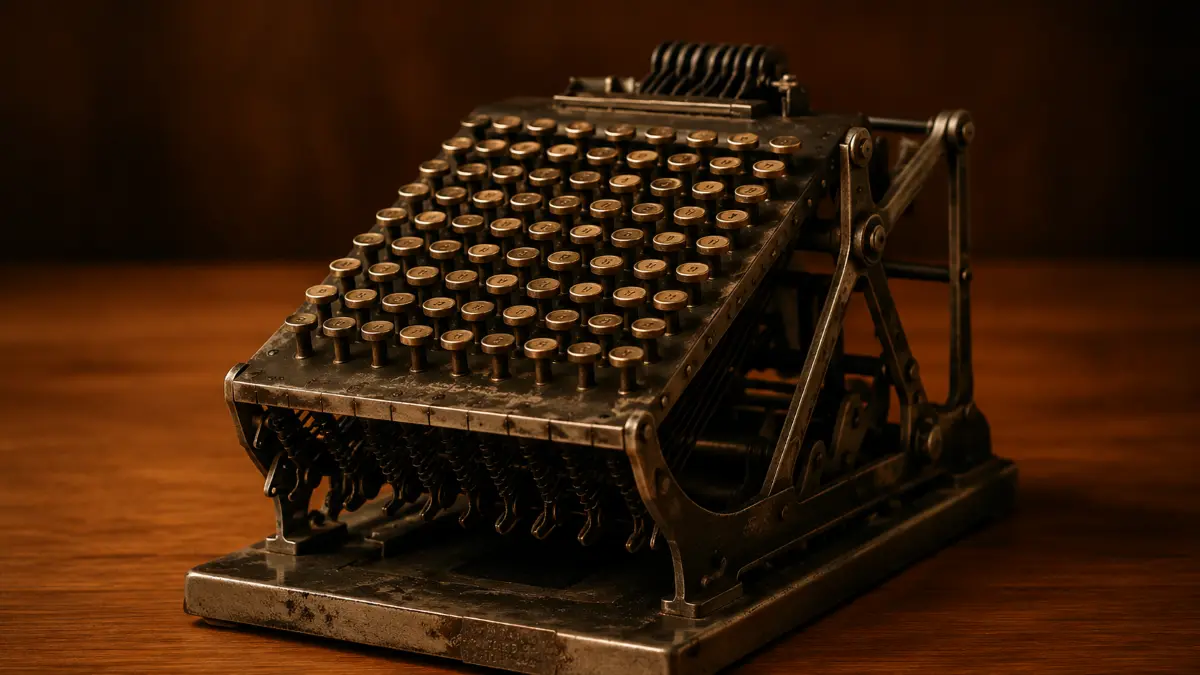
MIT Whirlwind’s Keyboard Input Breakthrough

On July 4, 1956, MIT’s Whirlwind became the first computer to accept keyboard commands, shifting input methods from switches and punch cards to direct user interaction.

UCLA’s 1969 Network Press Release and Its Lasting Impact

In 1969, UCLA announced plans for a nationwide computer network linking diverse machines into one time-sharing system. This early vision shaped modern networking.

IBM 650 Launch 1953: The Dawn of Mass-Produced Computing

IBM’s 650 computer, announced on July 2, 1953, was the first mass-produced computer, shaping computing with its magnetic drum memory and punch card programming.

Sony Walkman’s 1979 Launch and Its Lasting Audio Impact

The Sony Walkman debuted in Japan on July 1, 1979, changing how we experience music by enabling personal, high-fidelity audio on the go. Its influence still shapes audio tech today.

Apple Music Launch Expands Global Streaming Access

Apple Music launched on June 30, 2015, bringing streaming music to over 100 countries and reshaping how millions access and experience music worldwide.

Apple’s First iPhone Launch and Its Lasting Impact

Apple iPhone launch on June 29, 2007, set a new standard for mobile technology, transforming user interaction and mobile computing forever.

Early Bird Launches Global Satellite Communications

Intelsat I, known as Early Bird, launched on June 28, 1965, marking the start of commercial satellite communications and enabling transatlantic calls and live TV coverage.

Atari’s Founding and the Dawn of Video Games

On June 27, 1972, Atari was founded, launching Pong and igniting the video game industry. This event shaped gaming technology and home entertainment for decades.

The First Bipolar Junction Transistor Patent and Its Lasting Impact

On June 26, 1948, William Shockley filed the original patent for the bipolar junction transistor, a breakthrough that shaped modern electronics and computing.

Microsoft’s 1981 Incorporation and Its Lasting Impact on Tech Business

Explore Microsoft’s 1981 incorporation in Washington, why it mattered for its business structure, and how it shaped the tech industry’s corporate evolution.

Apple iPhone 4 Launch and Its Lasting Impact on Mobile Tech

The iPhone 4 launch on June 24, 2010, set new sales records and sparked the Antennagate controversy, reshaping smartphone design and consumer expectations.

The Founding of Reddit and Its Impact on Digital Communities

Explore the Reddit founding on June 23, 2005, and how it reshaped online social news and discussion, creating a new model for digital communities that still influences the web today.

IBM 704 Launch and Its Impact on Computing

The IBM 704, announced on June 22, 1954, introduced built-in hardware floating-point arithmetic and indexing, enabling programming languages like FORTRAN and LISP.

SpaceShipOne’s 2004 Private Spaceflight Breakthrough

On June 21, 2004, SpaceShipOne became the first privately funded spaceplane to achieve spaceflight, opening new frontiers in commercial aerospace and innovation.

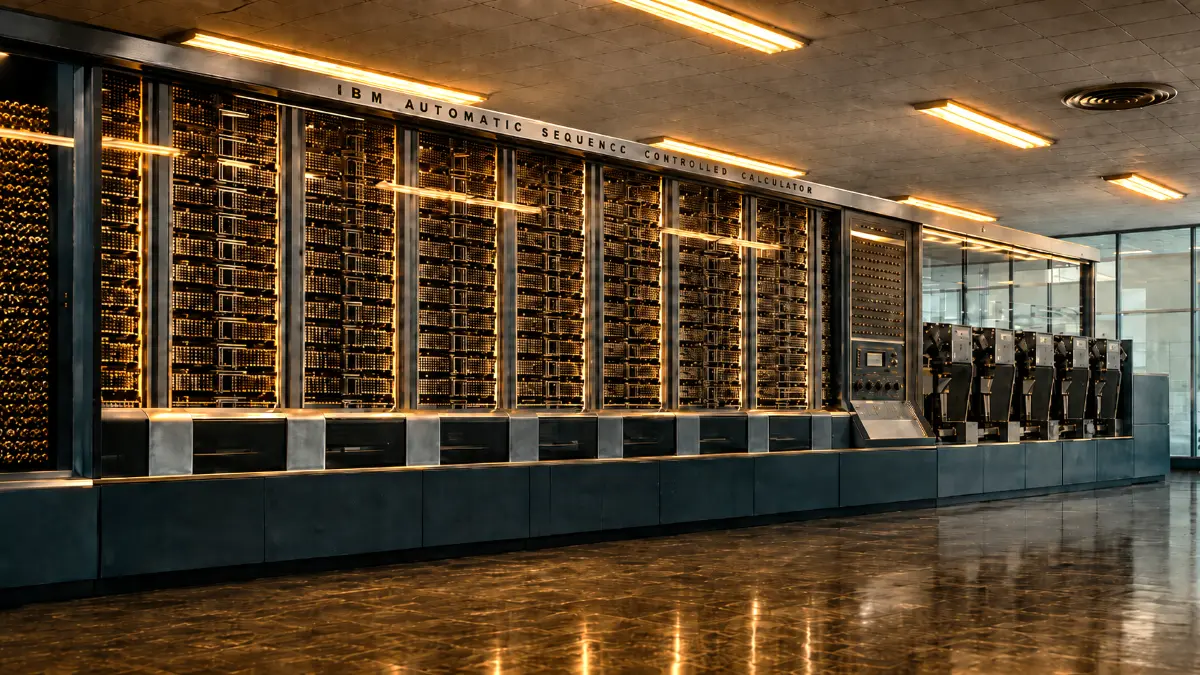
SEAC’s All-Diode Logic Breakthrough in 1950

On June 20, 1950, the SEAC became the first US stored-program computer using all-diode logic, improving reliability and storage methods that shaped computing’s future.