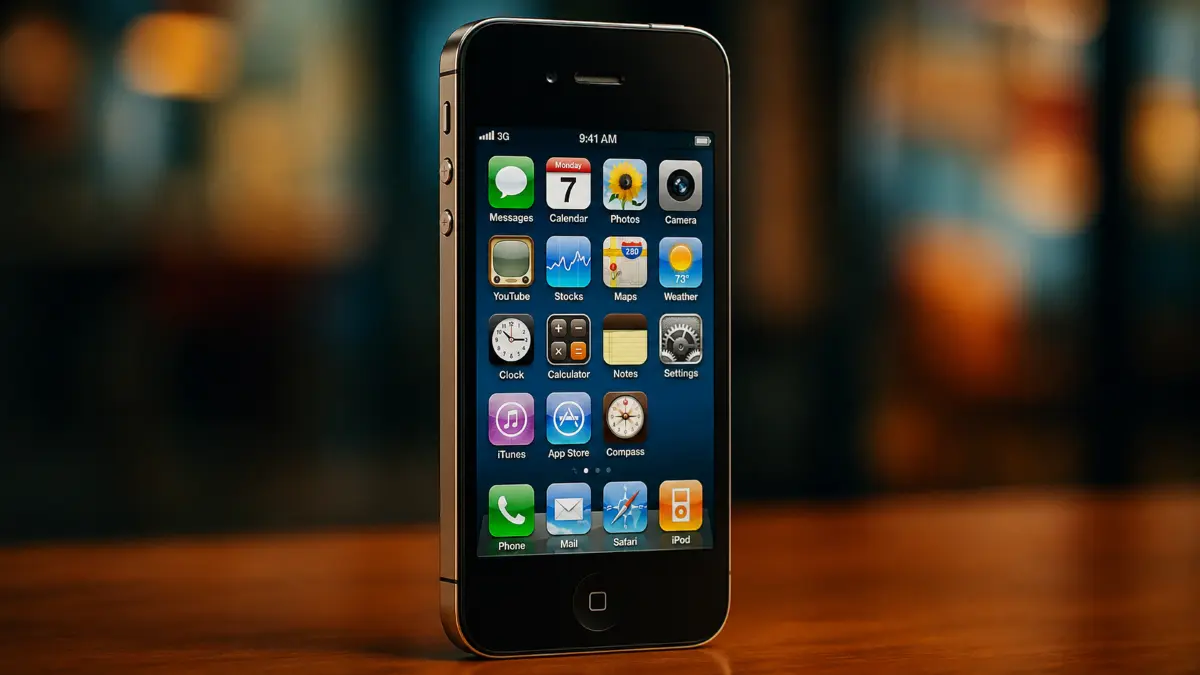

The iPhone 4 launch on June 24, 2010, was more than just another product release. It was a moment that exposed the complex interplay between design innovation and real-world usability in smartphones. This event marked a turning point in mobile technology, one that still echoes today in how devices are engineered, tested, and marketed to consumers around the world.
Apple’s iPhone 4 went on sale after a dramatic pre-launch period that included the infamous loss of a prototype at a bar, leading to one of the most widely discussed product leaks in technology history. The incident generated enormous media attention and only intensified public anticipation. Once available, the phone quickly set sales records, driven by its striking redesign, powerful new hardware, and a wave of consumer excitement. However, the launch was also overshadowed by the Antennagate controversy, where users reported signal loss when holding the phone in a certain way. The issue quickly became a global news story, forcing Apple into the unusual position of publicly addressing hardware concerns and ultimately offering free bumper cases to affected customers.
At the time, the iPhone 4 mattered because it pushed smartphone design into a new era. Its introduction of the high-resolution “Retina” display dramatically improved screen sharpness and raised expectations for visual quality across the industry. Text appeared smoother, images looked more detailed, and competing manufacturers were suddenly under pressure to improve their own displays. The device’s glass-and-stainless-steel construction was also a bold departure from the plastic bodies common in previous smartphones. This shift highlighted the growing importance of premium materials, industrial design, and craftsmanship in consumer electronics, not just raw functionality.
Beyond its appearance, the iPhone 4 introduced a front-facing camera for FaceTime video calls, helping popularize video communication years before remote work and virtual meetings became commonplace. It also featured Apple’s A4 processor, delivering improved performance and efficiency that demonstrated the advantages of tightly integrating hardware and software. Together, these features reinforced Apple’s strategy of controlling the entire user experience, a model that would influence many future technology products.
The lessons from the iPhone 4 launch extended beyond product design. Antennagate underscored the importance of extensive real-world testing and showed how quickly consumer feedback could shape public perception in the age of social media. It became a case study in crisis management, product engineering, and the challenges of balancing innovation with practical usability.
Today, the iPhone 4 is remembered as one of the most influential smartphones ever released. Its design language shaped years of future devices, its display technology redefined industry standards, and the controversy surrounding its antenna performance highlighted the realities of creating breakthrough products. More than a decade later, the launch remains a reminder that even the most celebrated innovations must ultimately succeed in the hands of everyday users.