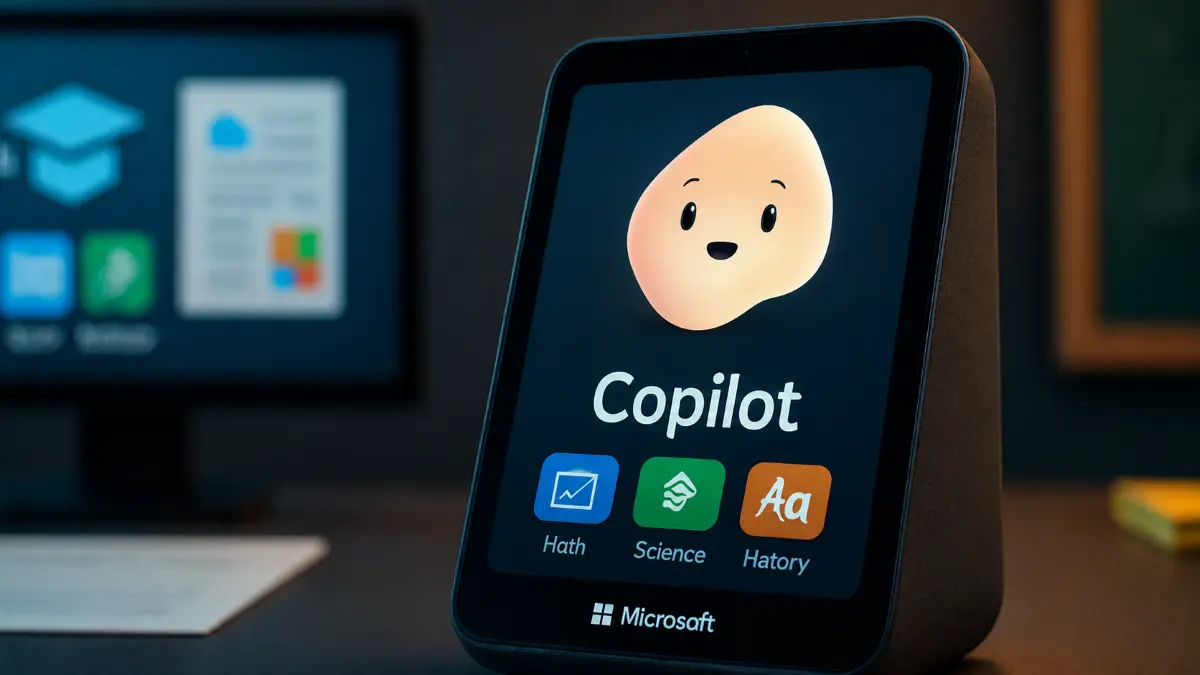

Microsoft is dialing down the voice capabilities of its AI assistant Mico less than a year after its debut, redirecting the technology toward educational applications. This move signals a notable shift in how Microsoft envisions the role of AI assistants beyond conversational interfaces.
Mico, initially introduced as a voice-driven Copilot companion, is reportedly being repurposed to support learning environments rather than serving as a general voice assistant. The change suggests Microsoft is reassessing the effectiveness and market fit of voice AI in favor of more specialized, task-oriented deployments.
This pivot comes amid broader industry trends where AI assistants face challenges in standing out in a crowded market dominated by giants like Google and Amazon. Microsoft’s decision reflects a strategic recalibration, focusing on niches where AI can deliver clearer value, such as education, rather than competing head-on in voice interaction.
Strategically, this could position Microsoft to leverage its AI investments in sectors with growing demand for personalized learning tools. It also hints at a future where AI assistants are less about general conversation and more about enhancing specific workflows or user needs. The shift may influence how other tech companies approach AI assistant development, emphasizing vertical integration over broad consumer appeal.
What to watch next is how Microsoft integrates Mico into educational platforms and whether this repositioning improves adoption and user engagement. Observers will also be curious if Microsoft expands this approach to other AI products or if Mico’s voice features are eventually phased out entirely.