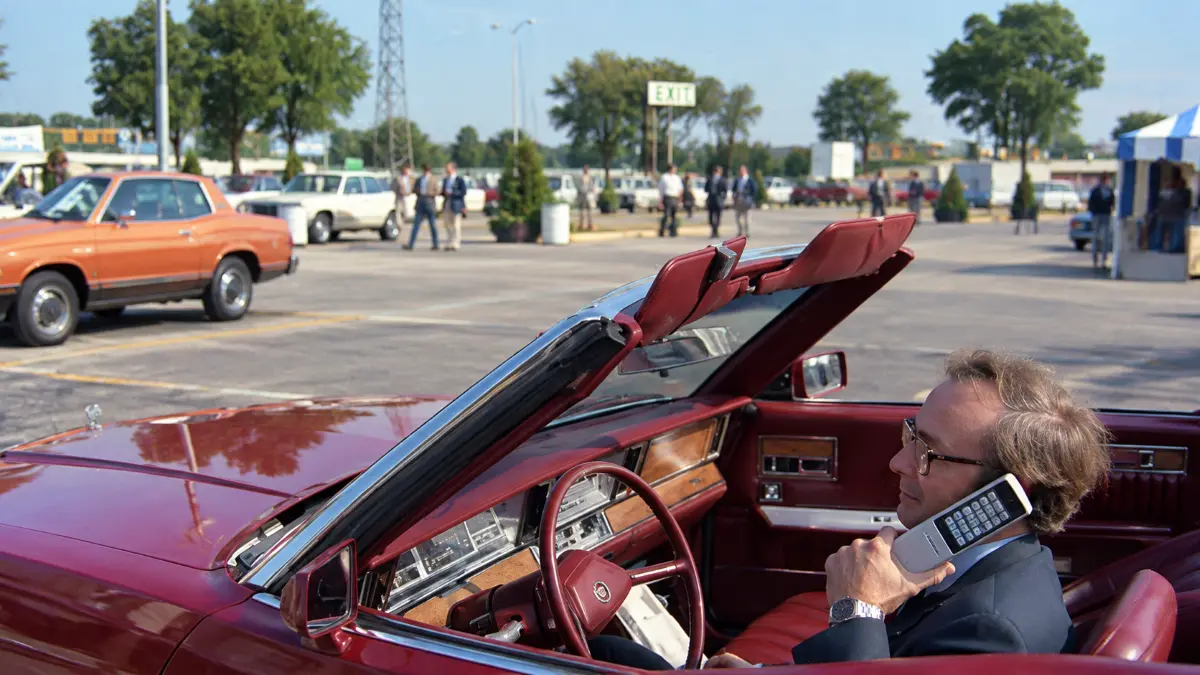

The moment a phone call was made from a car near Soldier Field in Chicago on October 13, 1983, marked more than just a personal connection. It was the ignition of the first cellular network in the United States, a technological leap that redefined how we communicate on the move. This call, made by Ameritech Mobile Communications executive Bob Barnett, wasn’t just a demonstration, it was a glimpse into a future where connectivity would no longer be tethered to fixed locations.
Before this event, mobile communication was limited, cumbersome, and largely impractical for everyday use. Radio phones and car phones existed but were restricted by limited coverage, poor call quality, and bulky hardware. The launch of the first cellular network addressed these problems by introducing a system that divided service areas into small cells, each with its own antenna. This architecture allowed for frequency reuse and seamless handoffs as users moved between cells, vastly improving capacity and coverage.
At the time, this innovation solved a critical bottleneck. It enabled more users to connect simultaneously without overwhelming the network. The cellular design also laid the groundwork for scaling mobile communication beyond niche markets to mass adoption. For the first time, people could realistically carry a phone with them and maintain a connection while driving, walking, or traveling between cities.
The impact of this network launch rippled far beyond Chicago. It set a technical and commercial precedent that other carriers quickly followed, accelerating the rollout of cellular infrastructure nationwide. The concept of mobile telephony shifted from a luxury to an expectation. This event catalyzed the development of standards, handsets, and services that evolved over decades into the smartphones and 5G networks we rely on today.
Why does this still matter? The cellular network’s fundamental principles remain the backbone of modern wireless communication. The cell-based architecture introduced in 1983 underpins how networks handle billions of devices, from phones to IoT sensors. The idea of seamless handoff between cells is critical for maintaining uninterrupted service in our hyper-connected world. Moreover, the launch demonstrated the feasibility of large-scale mobile networks, influencing how wireless spectrum is managed and allocated.
This event also highlights the importance of infrastructure innovation in enabling new user experiences. Without the cellular network’s scalable design, mobile communication would have remained a niche technology. The shift to cellular networks unlocked new possibilities for business, emergency response, and personal connectivity that continue to shape society.
Looking back, the first U.S. cellular network launch was more than a technical milestone. It was a strategic solution to the problem of mobility in communication, transforming how people interact with technology and each other. The legacy of that call from a parked car near Soldier Field lives on every time a phone switches towers or a message gets delivered on the go. It’s a reminder that behind every everyday convenience lies a thoughtful engineering breakthrough.