
Listening to music at high volumes can permanently damage your hearing. This is a truth backed by scientific understanding of how the ear works and the risks posed by consistent exposure to loud sounds.
Claim: Listening to music at high volumes can permanently damage your hearing.
Quick answer: Consistent exposure to loud music can cause permanent hearing damage due to the delicate nature of the ear's sensory cells.
Why Loud Music Can Harm Your Hearing
The inner ear contains tiny sensory cells called hair cells that convert sound vibrations into electrical signals for the brain. These cells are delicate and do not regenerate once damaged. Exposure to loud music, especially over extended periods, can cause these hair cells to deteriorate or die, leading to permanent hearing loss.
Volume levels above 85 decibels (dB) are generally considered harmful if exposure lasts for prolonged periods. Many personal audio devices can reach volumes exceeding 100 dB, which can cause damage in just minutes of exposure.
Consistent Exposure Increases Risk
The risk of hearing damage is not only about how loud the music is but also how often and how long you listen at high volumes. Occasional loud sounds may not cause lasting harm, but regular exposure at high volumes increases the chance of permanent damage.
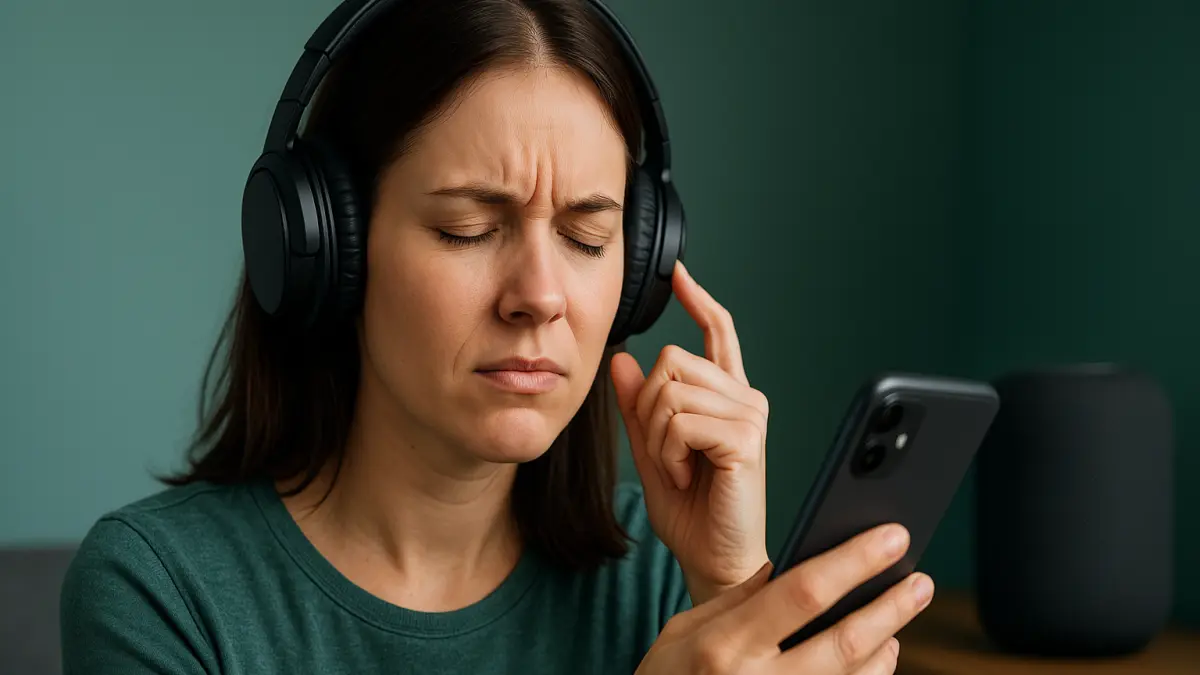
Using headphones or earbuds can also increase risk because the sound is delivered directly into the ear canal, often at higher effective volumes than speakers.
Practical Tips for Protecting Your Hearing
- Keep volume levels at or below 60% of the maximum on personal devices.
- Limit listening time at higher volumes and take regular breaks to allow your ears to recover.
- Use noise-cancelling headphones to reduce the need for higher volumes in noisy environments.
- Be aware of symptoms like ringing in the ears or muffled hearing, which can indicate early damage.
Being mindful of your listening habits can help preserve your hearing health for years to come.