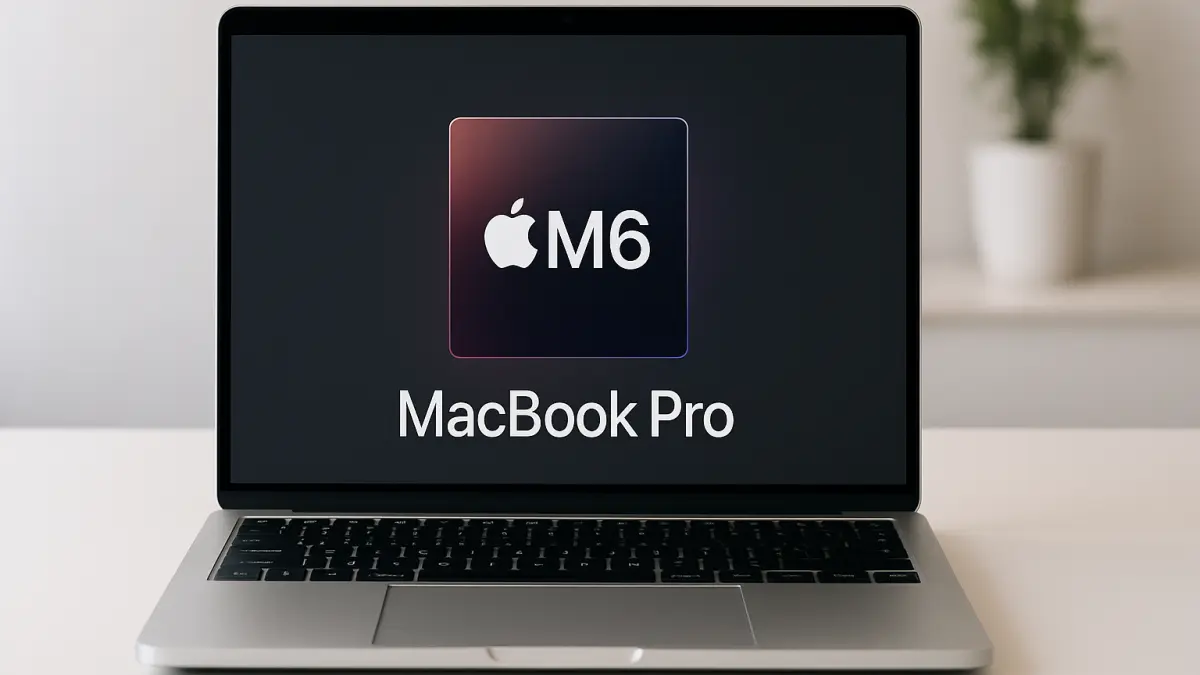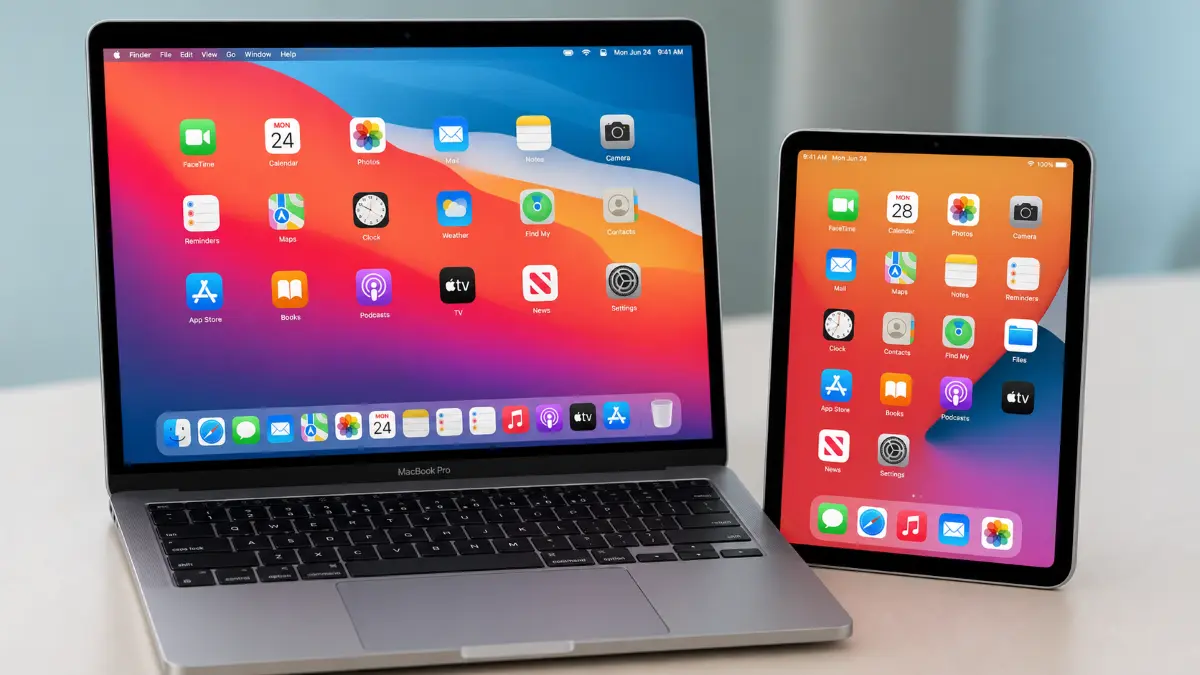

Apple is preparing to introduce its first touchscreen MacBook Pro featuring an OLED display at a special event scheduled for October 28. This launch represents a significant shift in Apple’s approach to MacBook design, integrating touchscreen capabilities and OLED technology into its flagship laptop line for the first time. Alongside the MacBook Pro, Apple is also expected to unveil a new iPad mini, continuing its refresh cycle for smaller tablets.
The First Touchscreen OLED MacBook Pro: What’s New?
Apple’s MacBook Pro lineup has traditionally focused on high-performance hardware and Retina LCD displays without touchscreen input. The upcoming model breaks this pattern by incorporating a touchscreen layer, allowing direct interaction with the display, a feature long standard on iPads and iPhones but absent on Macs. The display itself will use OLED technology, which offers deeper blacks, higher contrast ratios, and potentially better power efficiency compared to traditional LCD panels.
This combination of touchscreen and OLED represents a notable hardware evolution. OLED screens are known for their vibrant colors and energy savings, which could enhance the MacBook Pro’s visual experience and battery life. The touchscreen functionality will enable new workflows and user interactions, potentially bridging some of the gap between macOS and iPadOS usability paradigms.
How the Touchscreen and OLED Integration Works
The touchscreen layer on the MacBook Pro will allow users to tap, swipe, and interact directly with the screen, much like on an iPad. This requires a rethinking of macOS interface elements to accommodate touch input, which historically has been optimized for keyboard and trackpad use. Apple’s challenge will be to balance traditional macOS precision with the more direct, finger-based input style.
OLED technology differs from LCD by using organic compounds that emit light when electrically stimulated, eliminating the need for a backlight. This allows for thinner displays with better contrast and color accuracy. For the MacBook Pro, this means richer visuals and potentially improved battery efficiency, especially when displaying darker content.
Implications for Users and Developers
For users, the touchscreen OLED MacBook Pro promises a more versatile device that can support both traditional laptop workflows and touch-based interactions. Creative professionals, in particular, may benefit from the enhanced color fidelity of OLED and the tactile control of a touchscreen. However, the success of this feature depends on how well macOS adapts to touch input without compromising the desktop experience.
Developers may need to update their applications to better support touch gestures and optimize for the OLED display’s color profile. This could lead to a wave of software updates aimed at leveraging the new hardware capabilities, improving user experience across the board.
What Remains Unchanged
Despite the addition of touchscreen and OLED, the MacBook Pro will continue to run macOS, not iPadOS, maintaining the traditional desktop environment. This means no full iPad-style app ecosystem or multitouch gestures that fundamentally alter macOS navigation. The keyboard, trackpad, and other Mac-specific hardware features remain central to the user experience.
Additionally, Apple’s focus on privacy and security will likely extend to the new hardware, ensuring that the touchscreen does not introduce vulnerabilities. The integration will be designed to complement, not replace, existing input methods.
Broader Context and Strategic Positioning
Apple’s move to add touchscreen and OLED to the MacBook Pro aligns with broader industry trends toward more flexible, hybrid devices. It also reflects Apple’s ongoing efforts to unify its hardware and software ecosystems, offering users seamless experiences across Mac, iPad, and iPhone.
OLED adoption in MacBooks has been anticipated for years, and its arrival signals Apple’s readiness to push premium display technology across its laptop lineup. The touchscreen feature may also be a testing ground for future Mac designs that blend touch and traditional inputs more fluidly.
What to Watch at the October 28 Event
The October 28 event will confirm the specifics of the touchscreen OLED MacBook Pro, including pricing, configurations, and software enhancements. Observers will be keen to see how Apple positions this device within its Mac lineup and how it addresses developer and user concerns about touch on macOS.
The new iPad mini announced alongside the MacBook Pro will also be worth watching, as it may introduce complementary features or design changes that reflect Apple’s evolving approach to portable devices.
Apple’s October event promises to be a pivotal moment for the MacBook Pro, marking a new chapter in its design and functionality with the integration of touchscreen and OLED technology.