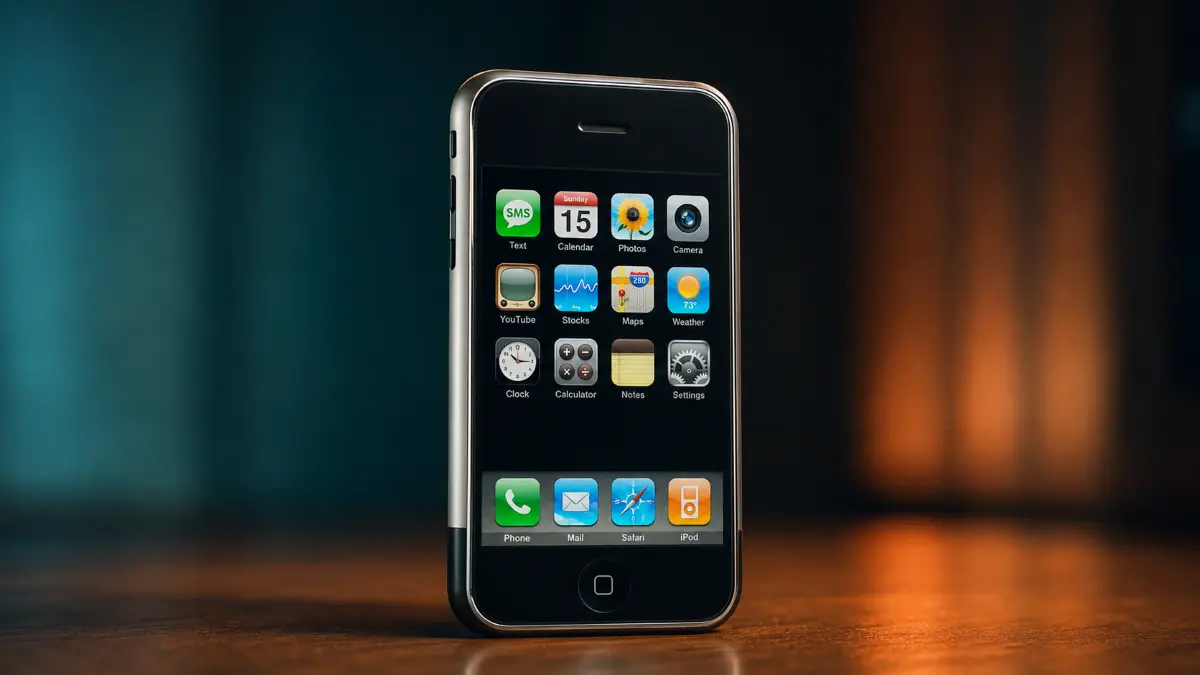

The moment was cinematic, a sleek device unveiling that would redefine how we communicate, work, and entertain ourselves. On June 29, 2007, Apple Inc. released its first mobile phone, the iPhone. This wasn’t just another smartphone entering the market; it was a reimagining of what a phone could be.
At the time, mobile phones were mostly about calls, texts, and basic apps. Apple’s iPhone launch disrupted this norm by integrating a multi-touch interface, a full web browser, and a seamless media player into one device. It solved a fundamental problem: how to bring the power of a computer into the palm of your hand without the clunky keyboards and styluses that defined earlier smartphones. The iPhone’s capacitive touchscreen and intuitive interface made technology more accessible and engaging.
The release marked a shift from hardware-centric phones to software-driven platforms. Apple’s approach to combining hardware, software, and services created a tightly integrated ecosystem. This changed the mobile landscape by setting new expectations for user experience and application development. Developers gained a new playground with the App Store, which launched the following year, turning mobile phones into versatile tools for countless tasks.
What changed because of the iPhone launch is profound. It accelerated the move toward mobile computing, pushing competitors to innovate or fall behind. The device’s emphasis on design and usability influenced everything from smartphone hardware to mobile operating systems. It also shifted consumer behavior, making mobile internet access a daily necessity rather than a luxury. The iPhone’s success laid the groundwork for the app economy, which now supports millions of jobs worldwide.
Today, the iPhone’s legacy is evident in the ubiquity of smartphones and the seamless integration of mobile devices into our lives. The principles introduced, touchscreen interfaces, app ecosystems, and integrated services, are now standard. The iPhone’s launch still matters because it redefined the relationship between humans and technology, setting a blueprint for future innovations in mobile computing and digital interaction.
Reflecting on this event reminds us that technology breakthroughs often come from rethinking user experience and solving practical problems. The iPhone was not just a product launch; it was a bold statement about what technology should do for people. Its impact continues to ripple through every device we carry, every app we use, and every way we connect.