
The moment Atari was founded, the future of entertainment shifted. On June 27, 1972, Nolan Bushnell and Ted Dabney launched Atari, a company that would ignite the video game industry with its first hit, Pong. This wasn’t just a new game; it was the spark that turned digital play into a cultural and technological force.
Atari’s founding marked the first time video games entered the commercial spotlight. Pong’s simple yet addictive gameplay solved a fundamental problem: how to translate interactive entertainment into a product that could reach the masses. Before Atari, video games were mostly academic experiments or niche curiosities. Pong made gaming accessible, affordable, and social, setting the stage for an entirely new market.
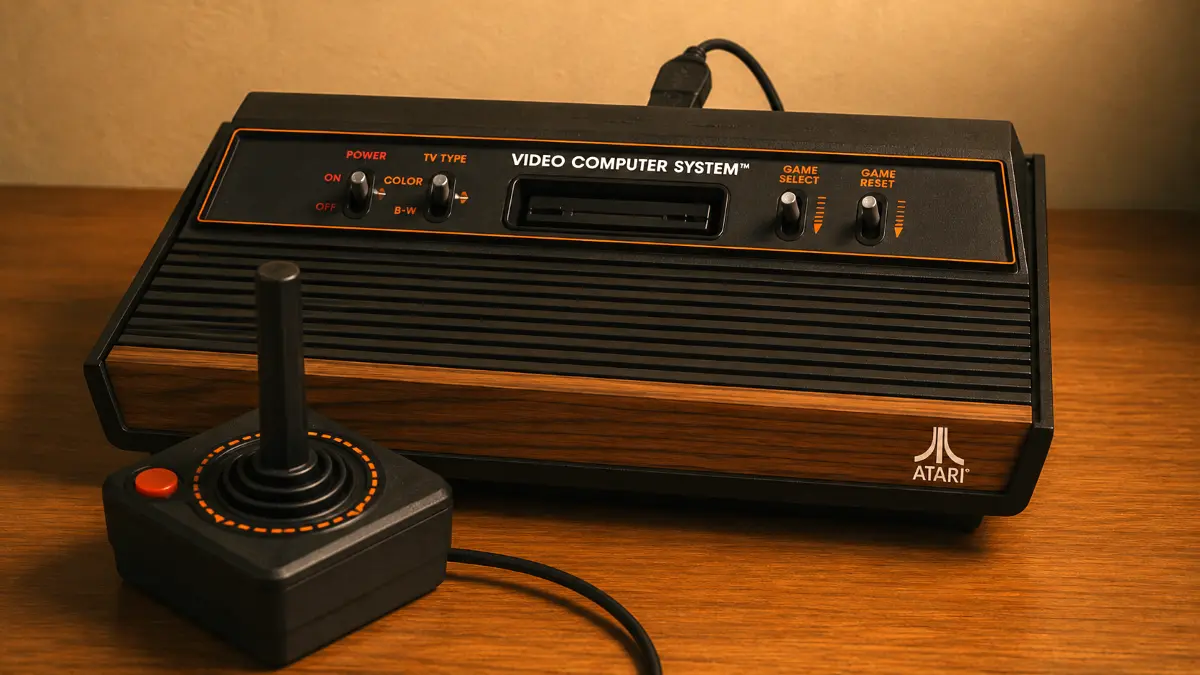
The release of Atari’s Video Computer System (VCS) in 1977, later known as the Atari 2600, took this momentum further. It was the first console to popularize home video gaming, allowing players to switch cartridges and enjoy a variety of games on one device. This modular approach was a technical leap that addressed the limitations of single-game machines and laid the groundwork for the modern gaming ecosystem.
Atari’s rapid growth before the video game crash of 1983 reflected the explosive demand for interactive entertainment. The company became the fastest growing in U.S. history at the time, and its brand became synonymous with gaming itself. This growth wasn’t just about sales; it was about establishing video games as a major cultural and technological industry.
What Atari made possible still echoes today. The company’s early innovations in game design, hardware modularity, and market strategy created a blueprint for the gaming industry. The idea that interactive digital experiences could be both a mass-market consumer product and a cultural phenomenon started here. Atari’s legacy is visible in every console, PC game, and mobile app that followed.
Even decades later, the Atari story reminds us why early technological breakthroughs matter. It wasn’t just about making a game; it was about creating an entirely new way for people to engage with technology. The principles Atari introduced, accessibility, innovation, and entertainment, continue to drive how we think about digital experiences.
Looking back at Atari’s founding, it’s clear the company didn’t just launch a product. It launched a new form of storytelling, competition, and social connection. That’s why this event still matters in tech history. It’s a reminder that sometimes, the simplest ideas can open doors to vast new worlds.