
The tech world rarely pauses, but some moments demand a spotlight. On July 9, 1997, Apple Computer announced the resignation of Gil Amelio as CEO. This wasn’t just a leadership shuffle. It was the moment that cleared the runway for Steve Jobs to return to Apple and steer the company toward its future.
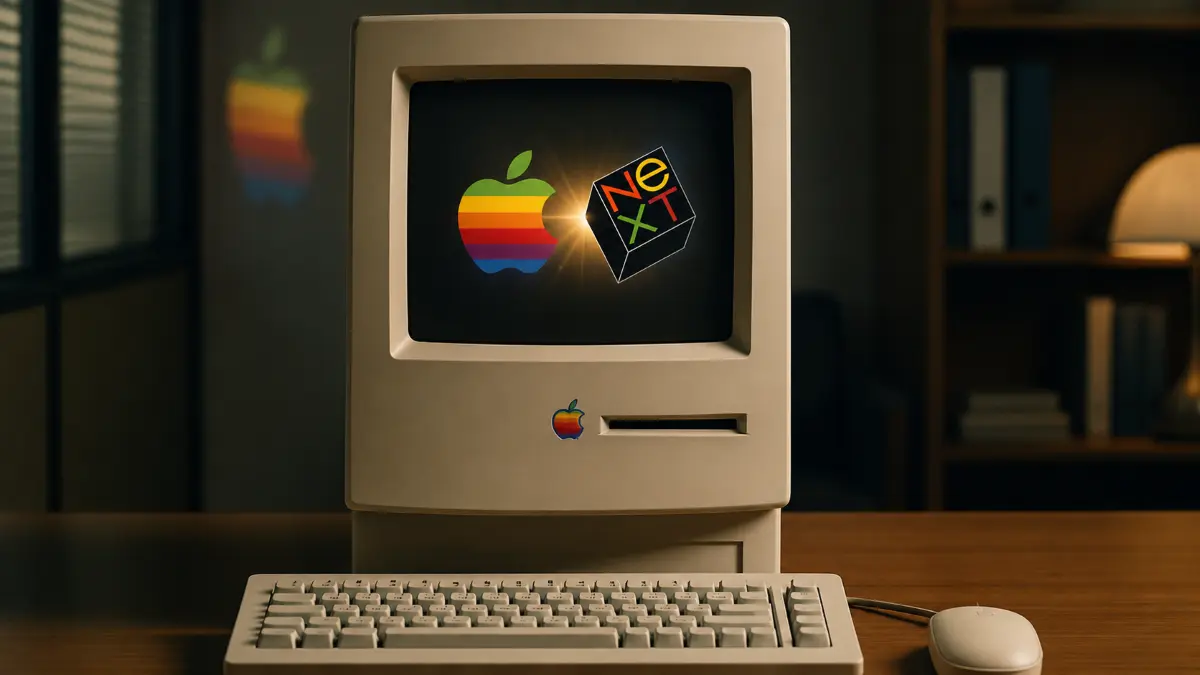
Gil Amelio’s departure was the result of a boardroom coup. The board ousted him after a turbulent tenure marked by missed opportunities and declining market share. Yet, Amelio’s legacy is paradoxical. It was under his leadership that Apple acquired NeXT, the company Steve Jobs founded after leaving Apple in 1985. This acquisition wasn’t just a business move; it was a strategic pivot that brought Jobs back into the fold and laid the foundation for the next generation of Mac operating systems.
At the time, Apple was struggling to maintain relevance in a rapidly evolving tech landscape. The company’s product lineup was fragmented, and its operating system was aging. Amelio’s leadership failed to reverse these trends, leading to his ousting. But the NeXT acquisition was a masterstroke that would soon pay dividends. It introduced a modern, Unix-based operating system architecture that would become the backbone of Apple’s future software.
Jobs’ return was more than a nostalgic homecoming. It was a reset button for Apple’s innovation engine. The technology brought in from NeXT enabled Apple to rebuild its OS from the ground up, improving stability, performance, and developer support. This technical foundation was crucial for the launches that followed, including Mac OS X and later iOS, which redefined personal computing and mobile technology.
The event marked a turning point in how Apple approached technology integration and product development. It underscored the importance of visionary leadership paired with sound technical strategy. Jobs’ ability to leverage the NeXT technology while reshaping Apple’s culture and product vision was a blueprint for how tech companies could reinvent themselves.
Today, the impact of that transition still echoes. The operating system architecture introduced through NeXT remains at Apple’s core, powering millions of devices worldwide. The emphasis on seamless integration of hardware and software, a hallmark of Apple’s success, traces back to this era. Gil Amelio’s resignation wasn’t just an end; it was the catalyst for a new chapter in tech innovation.
Looking back, the event highlights how leadership changes can align with technological shifts to redefine a company’s trajectory. It’s a reminder that in tech, the right technology combined with the right leadership can unlock potential that seemed out of reach. The story of Gil Amelio’s resignation and Jobs’ return is a case study in how strategic decisions behind the scenes shape the products and experiences that define our digital lives.
In the fast-moving world of technology, moments like these are more than history. They are lessons in timing, vision, and the power of technology to transform not just companies, but entire industries.