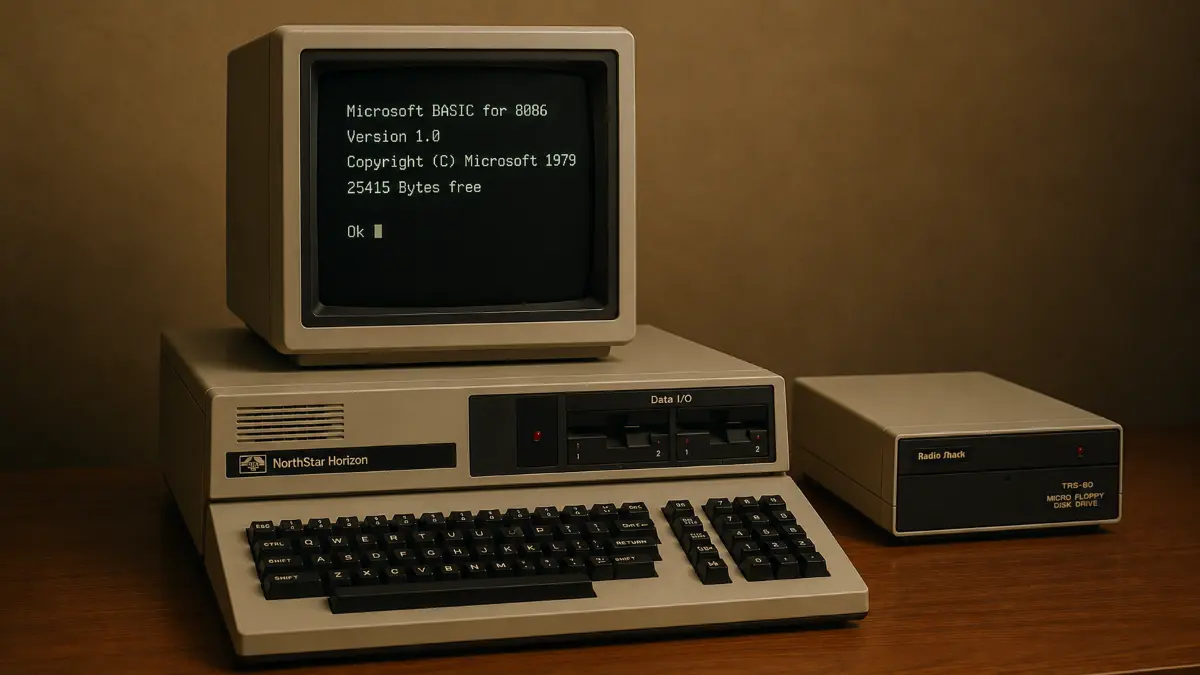

The dawn of 16-bit computing took a decisive step on June 18, 1979, when Microsoft introduced Microsoft BASIC for the 8086 microprocessor. This release wasn’t just another programming language update; it was a strategic move that connected the familiar world of 8-bit BASIC to the emerging 16-bit architecture, opening new avenues for software development and hardware innovation.
At the time, Microsoft BASIC was already a cornerstone in the programming landscape, running on over 200,000 computers equipped with the Z80 and 8080 processors. These 8-bit processors dominated early personal computing, but the industry was hungry for more power and efficiency. By developing a version of BASIC compatible with the 8086, Microsoft didn’t just port software, they created a bridge to a new generation of computing.
The 8086 processor itself was a game changer. As a 16-bit microprocessor, it offered a significant leap in processing capability compared to its 8-bit predecessors. However, the transition wasn’t just about raw power; it required a software ecosystem that could leverage the new architecture without alienating developers familiar with 8-bit systems. Microsoft’s approach to making the new BASIC compatible with their existing 8-bit versions ensured a smoother transition for programmers and hardware manufacturers alike.
This compatibility was critical. It meant that developers could write and run programs on the new 16-bit machines without abandoning the skills and codebases they had built over the years. It also encouraged hardware makers to adopt the 8086 processor, knowing that a robust and familiar programming environment was already in place. This synergy was exemplified by Microsoft’s emerging relationship with Seattle Computer Products, one of the first companies to build computers around the 8086. The collaboration hinted at the future of personal computing, where software and hardware development would become increasingly intertwined.
The introduction of Microsoft BASIC for the 8086 laid the groundwork for the PC revolution that followed. It helped establish the 8086 architecture as a viable platform for personal computers, which eventually led to the widespread adoption of the x86 family of processors. This family remains the backbone of desktop and server computing decades later, underscoring the lasting impact of this early software release.
Today, the significance of Microsoft BASIC for 8086 goes beyond nostalgia. It represents a foundational moment in software engineering where backward compatibility met forward innovation. The strategy of easing transitions between processor generations is still relevant, as seen in modern computing’s ongoing balancing act between legacy support and cutting-edge performance.
Reflecting on this event, it’s clear that Microsoft’s decision was more than a product launch, it was a calculated move that shaped the trajectory of computing. It showed how thoughtful software design could accelerate hardware adoption and set the stage for the PC era that defines much of today’s digital world.