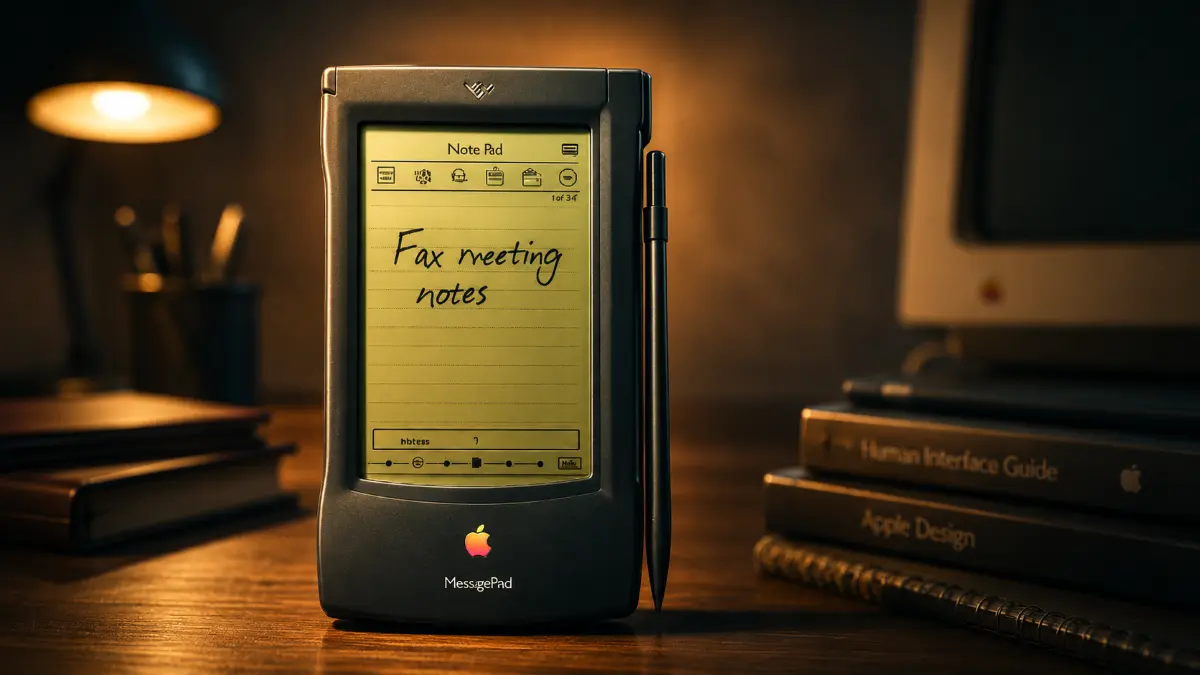

The tech world rarely pauses, but some launches echo through decades. On August 3, 1993, Apple introduced the Newton MessagePad, one of the earliest Personal Digital Assistants (PDAs). While the Newton itself stumbled commercially, it quietly laid the groundwork for a seismic shift in mobile computing by championing ARM architecture.
The Newton was more than a gadget; it was Apple’s bold step into a new category of personal tech. The term PDA, coined by Apple CEO John Scully just a year earlier, embodied a vision of portable computing that could fit in your hand. The Newton’s handwriting recognition and digital note-taking were ambitious, but its true legacy lies in the silicon inside.
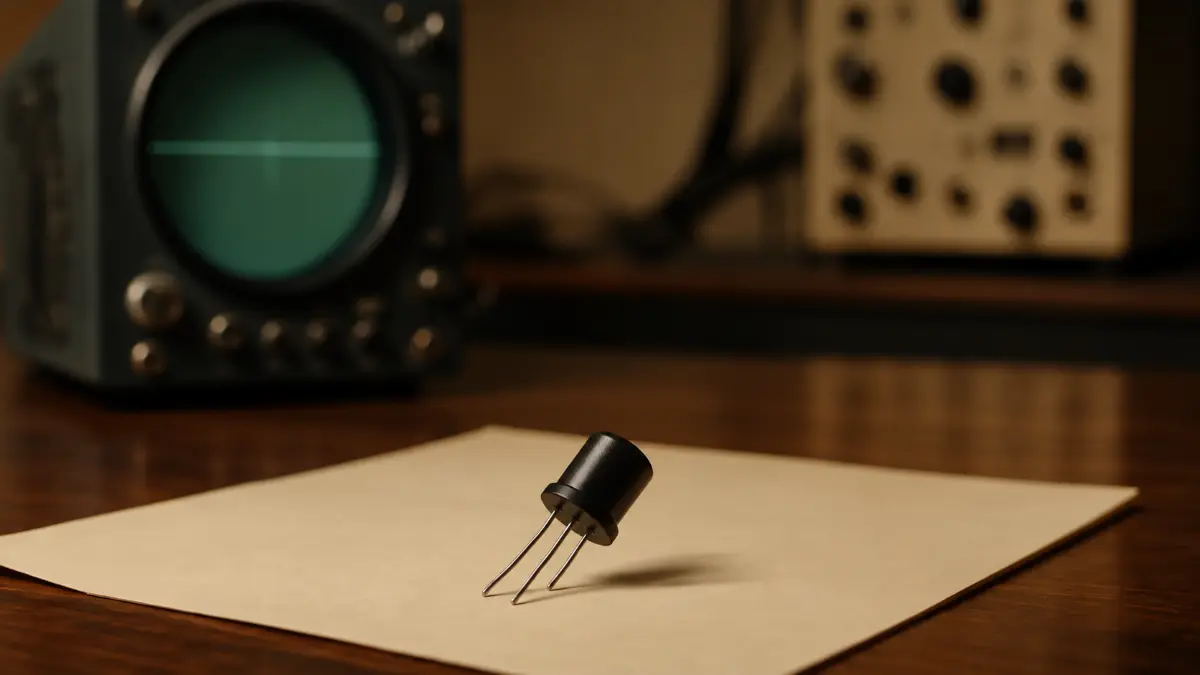
Apple’s investment in ARM architecture was a strategic gamble. At the time, ARM was a fledgling processor design promising low power consumption and high efficiency, critical for mobile devices. Apple acquired a 43% stake in Advanced RISC Machines, Ltd., betting that this architecture would power the future. This was not just about hardware; it was about enabling a new class of devices that balanced performance with battery life, a challenge that had long plagued mobile computing.
The Newton’s commercial failure overshadowed its technical achievements, but the ARM architecture it championed did not fade. Instead, it became the backbone of nearly every mobile device worldwide. From the earliest smartphones to today’s iPhones, iPads, and even Apple’s M series processors for Macs, ARM’s design principles have defined the mobile experience.
Why did ARM architecture matter so much? Traditional processors were power-hungry and bulky, unsuitable for handheld devices. ARM’s Reduced Instruction Set Computing (RISC) approach simplified processor instructions, reducing power consumption without sacrificing performance. This efficiency unlocked new possibilities, longer battery life, thinner devices, and the rise of always-on connectivity.
Apple’s early commitment to ARM also had a financial impact. By 1998, Apple began selling much of its ARM stake, generating around $1 billion by 1999. This influx of capital was crucial during Apple’s turbulent years, providing the runway to innovate and eventually become the world’s most valuable company. The Newton may have flopped in the market, but it seeded a technology ecosystem that fueled Apple’s resurgence and the broader mobile revolution.
Today, ARM architecture remains central to the tech landscape. It powers billions of devices beyond Apple’s ecosystem, from smartphones and tablets to embedded systems and IoT devices. The architecture’s scalability and energy efficiency continue to drive innovation, especially as computing demands grow with AI, edge computing, and 5G.
Reflecting on the Newton and ARM’s journey reveals a deeper truth about technology: success isn’t always immediate or obvious. Sometimes, the real breakthrough is in the infrastructure that quietly enables future innovation. The Newton’s legacy isn’t just a failed PDA; it’s the architecture that made modern mobile computing possible.
As we look ahead, ARM’s influence will only deepen, shaping how devices connect, compute, and conserve energy. The Newton’s story reminds us that behind every flashy launch, there’s often a quieter, more enduring technological evolution at work.