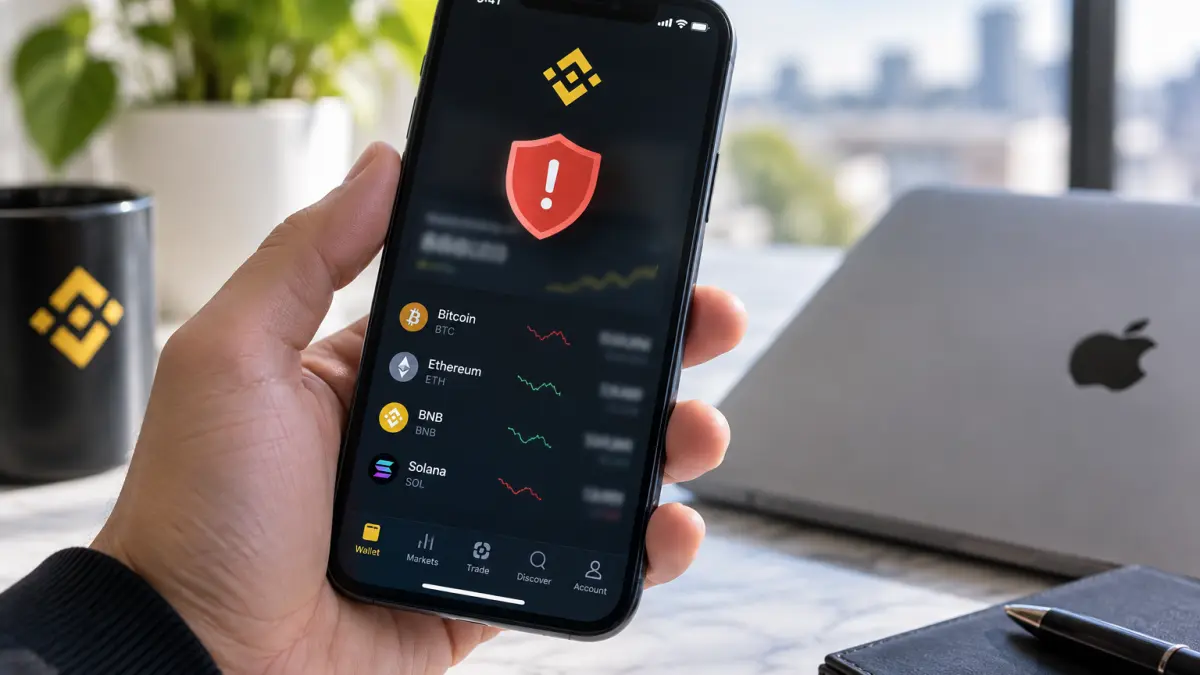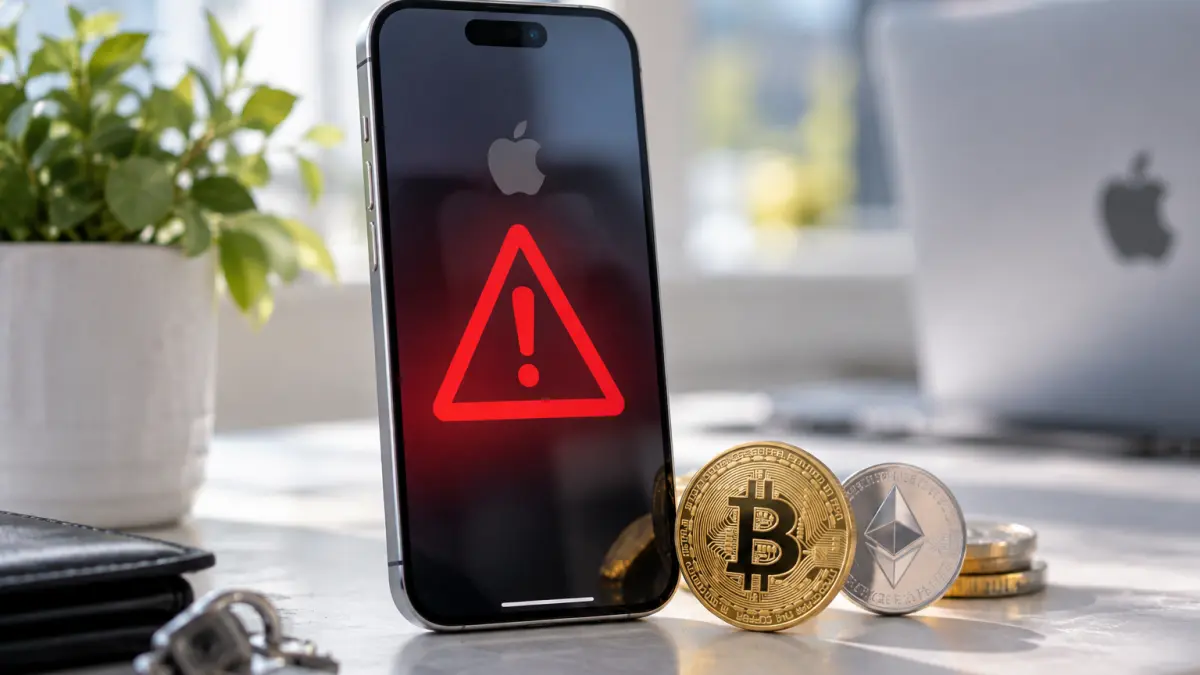

Apple’s iPhone users have been targeted in a large-scale security breach involving malware on 178 major websites, designed specifically to steal cryptocurrency. This incident underscores persistent vulnerabilities in the Apple ecosystem despite its robust security architecture, raising critical questions about web-based threats and user protection.
The compromised websites, spanning various sectors, were weaponized to deploy malicious scripts that exploit iPhone browsers to siphon cryptocurrency assets. This attack vector highlights the growing sophistication of cybercriminals who are increasingly focusing on high-value targets within Apple’s user base.
How the Malware Exploits iPhone Browsers to Steal Crypto
The malware operates by injecting malicious JavaScript into legitimate websites, which then activates when an iPhone user visits the infected pages. Unlike traditional phishing or app-based attacks, this method leverages the browser environment, making it harder for users to detect or avoid. The scripts specifically target cryptocurrency wallets accessible through the browser, intercepting transaction data or redirecting funds to attacker-controlled wallets.
This approach bypasses many of the protections Apple builds into its operating system and App Store vetting process because it does not rely on malicious apps but rather on compromised web content. The attack exploits the trust users place in well-known websites, turning them into unwitting vectors for theft.
Why This Breach Matters for iPhone Users and the Apple Ecosystem
Apple’s iOS is widely regarded for its stringent security measures, including sandboxing, app review, and hardware-based encryption. However, this breach exposes a critical gap: the security of web content accessed through Safari and other browsers on iPhone. Since browsers must render external content, they inherently carry risk, especially when websites themselves are compromised.
For users, the practical impact is severe, cryptocurrency holdings, often stored in browser-based wallets or accessed via web apps, can be stolen without any direct interaction beyond visiting a trusted site. This undermines confidence in the security of digital assets on iPhone and calls for heightened vigilance.
Developers and website operators also face increased pressure to secure their platforms against such injections. The incident serves as a stark reminder that even major websites are not immune to breaches that can cascade into user-targeted attacks.
What Apple’s Security Model Does and Does Not Protect Against
Apple’s security framework excels at controlling app behavior and securing device hardware, but it cannot fully prevent attacks originating from compromised web content. Features like Intelligent Tracking Prevention and sandboxed browser tabs help limit cross-site tracking and isolate sessions, but they do not stop malicious scripts embedded in legitimate sites.
Users still cannot rely solely on iOS protections to guard against web-based crypto theft. Unlike app-based malware, these scripts do not require installation or permissions beyond normal browsing, making traditional defenses less effective.
Related Security Developments in Apple’s Ecosystem
This breach follows other recent incidents where web-based attacks targeted Apple users, including phishing campaigns and zero-day exploits in Safari. Apple has responded by regularly updating iOS and Safari with security patches, but the evolving threat landscape demands continuous vigilance.
Apple’s push toward Web3 and cryptocurrency integration in its ecosystem adds complexity, as more users engage with blockchain assets via iPhone browsers. This incident may accelerate calls for enhanced browser security features or tighter controls on web-based crypto transactions.
What to Watch Next for iPhone Security and Crypto Protection
The immediate focus will be on remediation by the affected websites and Apple’s response in reinforcing browser security. Users should monitor updates from Apple and their wallet providers, enable all security patches promptly, and consider using dedicated hardware wallets or apps with stronger security guarantees.
Developers should prioritize securing web infrastructure against script injections and adopt Content Security Policies (CSP) rigorously. Meanwhile, Apple’s future iOS updates may introduce new browser-level defenses or warnings for suspicious web activity related to cryptocurrency.
This breach is a clear signal that iPhone users must remain cautious when interacting with cryptocurrency online, even within Apple’s tightly controlled environment. The evolving threat landscape demands a layered approach to security that includes user awareness, developer diligence, and platform enhancements.