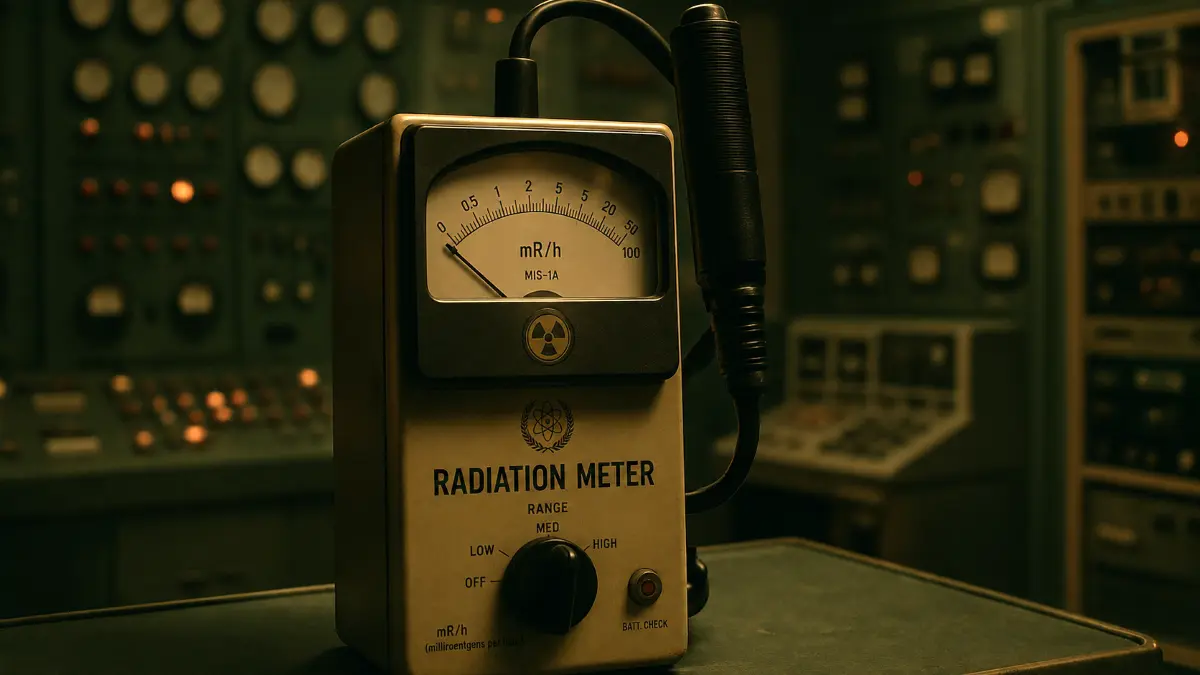

July 29, 1957, marked a defining moment in the governance of nuclear technology with the establishment of the International Atomic Energy Agency. This was not just another international organization; it was a response to the urgent need for oversight and cooperation in a field that held immense promise and peril. The International Atomic Energy Agency (IAEA) was born out of a complex mix of ambition, fear, and the desire to harness atomic energy responsibly.
At the time, nuclear technology was advancing rapidly. The world had witnessed the destructive power of atomic bombs and was simultaneously captivated by the potential of nuclear energy for peaceful purposes. The IAEA’s creation addressed a critical problem: how to promote safe, peaceful use of nuclear technology while preventing its diversion to weapons programs. It was a rare attempt to balance technological progress with global security concerns.
The IAEA’s establishment introduced a framework for international collaboration that was unprecedented. It created mechanisms for inspections, safety standards, and technical assistance, which allowed countries to share nuclear technology under strict safeguards. This was vital in building trust among nations during the Cold War era, when suspicion around nuclear capabilities was at an all-time high.
Because of the IAEA, nuclear energy could be developed with a degree of oversight that helped prevent widespread proliferation. Its inspection regimes and verification protocols became the backbone of global non-proliferation efforts. The agency also played a crucial role in advancing nuclear science for medicine, agriculture, and energy, showing that atomic technology could serve humanity beyond military applications.
Today, the International Atomic Energy Agency remains a cornerstone of nuclear governance. Its relevance has only grown as new challenges emerge, including nuclear terrorism, the expansion of nuclear energy in developing countries, and the complexities of nuclear waste management. The IAEA’s model of combining technical expertise with diplomatic engagement continues to influence how the world approaches complex technological risks.
The agency’s work underscores a broader lesson about technology governance: innovation without oversight can lead to catastrophic outcomes, but effective international cooperation can channel powerful technologies toward constructive ends. The IAEA’s legacy is a reminder that managing technology responsibly requires constant vigilance and collaboration.
Reflecting on the founding of the International Atomic Energy Agency, we see a blueprint for how the world can handle transformative technologies. It is a story of how global institutions can rise to the challenge of balancing progress with safety. As nuclear technology evolves, the IAEA’s role remains a vital part of the conversation about how humanity navigates the double-edged sword of innovation.