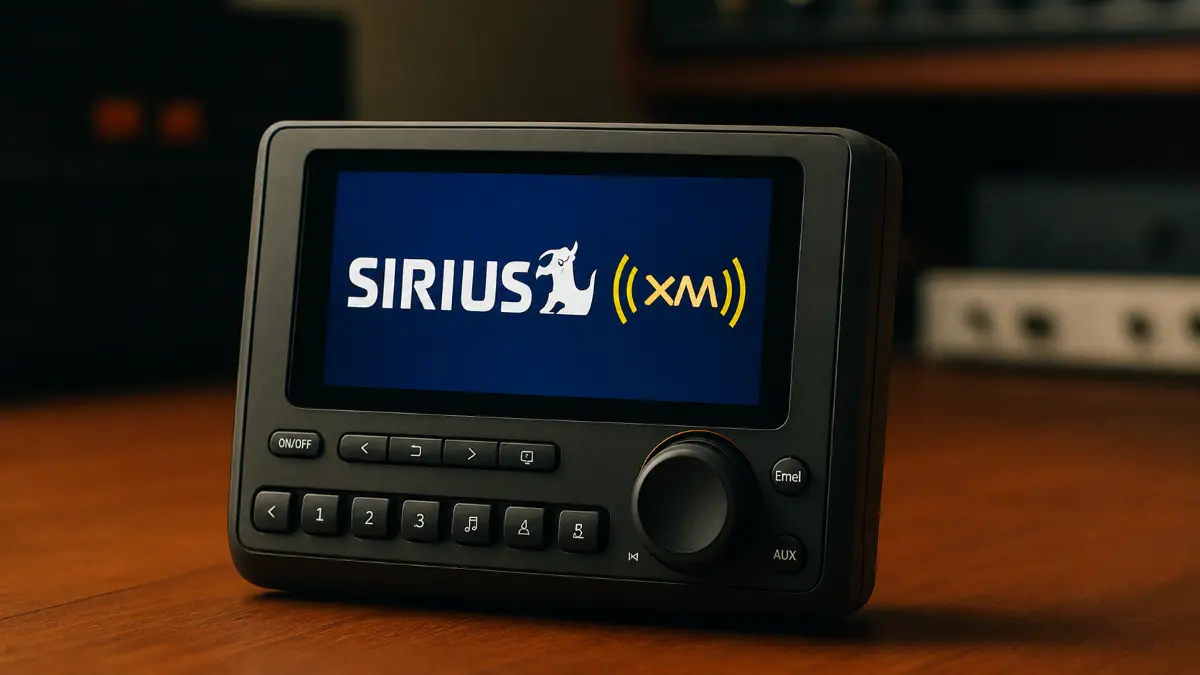

The FCC’s green light on July 25, 2008, for the merger of Sirius and XM satellite radio companies marked a defining moment in the evolution of digital audio broadcasting. The Sirius XM merger was more than a corporate consolidation, it was a strategic move that addressed the fragmentation of satellite radio spectrum and the challenges of scaling a niche technology in a rapidly changing media landscape.
At the time, Sirius and XM operated as direct competitors, each holding exclusive satellite spectrum licenses granted by the Federal Communications Commission. This competition, while fostering innovation, also led to duplicated infrastructure and divided audiences. The FCC’s approval of the merger allowed the combined entity to unify these resources, reducing operational redundancies and creating a more sustainable business model. This was crucial because satellite radio required significant upfront investment in satellites, ground infrastructure, and content licensing to deliver nationwide coverage.
The merger’s immediate impact was the consolidation of spectrum licenses, which streamlined the technical management of satellite signals. This consolidation solved a key problem: how to efficiently use limited satellite bandwidth while maintaining a diverse range of channels and programming. By combining their satellite fleets and infrastructure, Sirius XM could optimize transmission efficiency and improve signal reliability. This technical synergy enabled a richer and more stable listening experience for subscribers.
Beyond the technical benefits, the merger allowed Sirius XM to leverage a larger subscriber base, enhancing its negotiating power with content providers and advertisers. This helped the company expand its content offerings, from exclusive music channels to live sports and talk radio, which in turn attracted more listeners. The merger also positioned Sirius XM to better compete with emerging digital streaming services by offering a unique value proposition: curated, satellite-delivered audio with nationwide coverage, independent of cellular networks.
The Sirius XM merger set a precedent for how regulatory bodies can balance competition concerns with the practical realities of spectrum management and industry viability. By approving the merger, the FCC acknowledged that the satellite radio market needed consolidation to survive and innovate in the face of new digital challenges. This decision reflected a nuanced understanding of how spectrum licenses function not just as regulatory assets but as critical infrastructure for emerging technologies.
Today, the effects of the Sirius XM merger are still evident. Satellite radio remains a key player in the audio entertainment ecosystem, particularly in vehicles where cellular connectivity can be inconsistent. The merger’s legacy is visible in how Sirius XM continues to invest in hybrid technologies, combining satellite and internet streaming to offer seamless audio experiences. The technical foundation laid by the merger, efficient spectrum use and integrated infrastructure, remains central to these innovations.
The Sirius XM merger also serves as a case study in managing scarce spectrum resources, a challenge that continues to shape wireless technologies beyond audio broadcasting. As spectrum becomes an increasingly contested asset with the rise of 5G, IoT, and satellite internet constellations, the lessons from this merger about consolidation, efficiency, and regulatory flexibility remain highly relevant.
Looking back, the FCC’s approval on July 25, 2008, was not just about merging two companies. It was about enabling the satellite radio industry to evolve from a fragmented experiment into a robust platform capable of adapting to the digital age. The Sirius XM merger solved critical technical and business problems that allowed satellite radio to maintain its unique place in the crowded audio landscape. It’s a reminder that sometimes, progress in tech comes not from new inventions but from smarter integration and resource management.