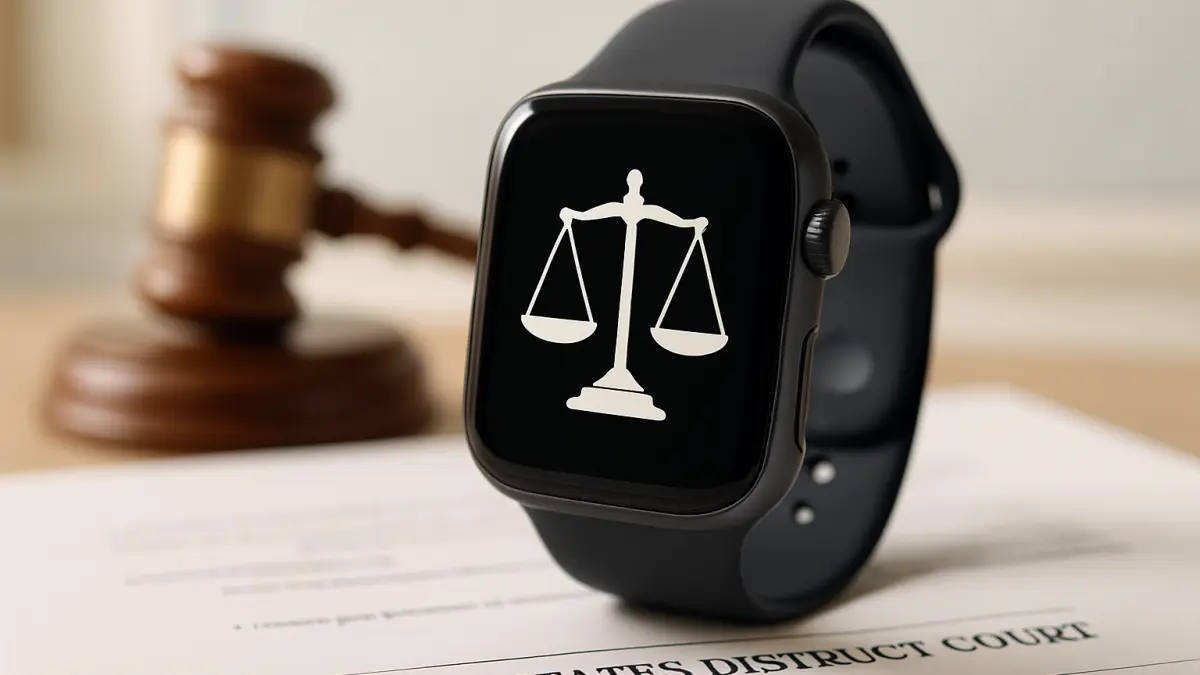

A federal judge has denied a motion to dismiss claims that a former Apple engineer misappropriated trade secrets related to the Apple Watch and shared them with Oppo, a major competitor in the consumer electronics space. The ruling keeps alive a high-profile legal dispute centered on intellectual property theft and highlights ongoing tensions between Apple and Chinese smartphone maker Oppo.
The case alleges that the ex-Apple employee unlawfully took confidential information about Apple Watch technology before joining Oppo. Apple contends that this breach could give Oppo an unfair advantage in the fiercely competitive smartwatch market, where innovation and proprietary technology are critical to maintaining leadership.
Details of the Trade Secret Theft Allegations
Apple’s claims focus on the unauthorized transfer of proprietary information concerning the Apple Watch’s design and functionality. Although the specifics of the stolen trade secrets have not been fully disclosed in public filings, the accusations imply that the stolen data could relate to hardware components, software integration, or unique features that differentiate the Apple Watch in the wearable technology market.
The former engineer’s move to Oppo raised red flags for Apple, which quickly initiated legal action to prevent any potential misuse of its intellectual property. The refusal to dismiss the case means the court found sufficient grounds to proceed with Apple’s allegations, underscoring the seriousness of the claims.
Legal and Competitive Implications for Apple and Oppo
This legal battle underscores the challenges Apple faces in protecting its innovations against competitors, particularly those based in regions with different intellectual property enforcement norms. For Apple, safeguarding trade secrets is vital not only to preserve its technological edge but also to maintain consumer trust in its ecosystem’s security and uniqueness.
For Oppo, the case presents a significant reputational risk and could impact its ability to develop or market products that might incorporate disputed technology. If the court eventually rules in Apple’s favor, Oppo could face injunctions, financial penalties, or be forced to alter its product development strategies.
What This Means for the Apple Watch Ecosystem
The Apple Watch remains a cornerstone of Apple’s wearable lineup, tightly integrated with iOS and the broader Apple ecosystem. Protecting its underlying technology ensures Apple can continue to innovate in health monitoring, fitness tracking, and seamless device interoperability without competitors leveraging its breakthroughs unfairly.
This case also signals to developers and engineers the importance Apple places on confidentiality and intellectual property rights within its ecosystem. It serves as a cautionary tale about the legal risks associated with transferring proprietary knowledge to rival companies.
What Remains Unchanged
Despite the ongoing litigation, Apple’s current Apple Watch lineup and software ecosystem remain unaffected in terms of availability and functionality. No public evidence suggests that Oppo has launched or announced products directly infringing on Apple’s trade secrets at this stage.
Moreover, Apple continues to invest heavily in research and development, ensuring that its future wearable innovations build on a foundation of protected, proprietary technology.
Broader Context in Apple’s Intellectual Property Strategy
This case fits within a broader pattern of Apple aggressively defending its intellectual property against competitors worldwide. Apple has historically pursued litigation to protect its innovations, whether in smartphone design, software features, or hardware components.
By maintaining a firm stance on trade secret protection, Apple aims to deter similar breaches and reinforce the value of its ecosystem’s unique technologies. This approach also reassures investors and consumers that Apple’s competitive advantages are legally safeguarded.
What to Watch Next
The case is likely to proceed through discovery and potentially trial phases, where more details about the alleged trade secret theft could emerge. Observers should watch for any court rulings that might clarify the scope of Apple’s proprietary technology and Oppo’s use of it.
Developers and industry watchers will also be interested in how this dispute influences future hiring practices, cross-company employee movements, and the broader competitive dynamics in the wearable tech market.
As this legal battle unfolds, it will test the resilience of Apple’s intellectual property protections and could set precedents for how tech companies defend their innovations against rivals in an increasingly globalized industry.