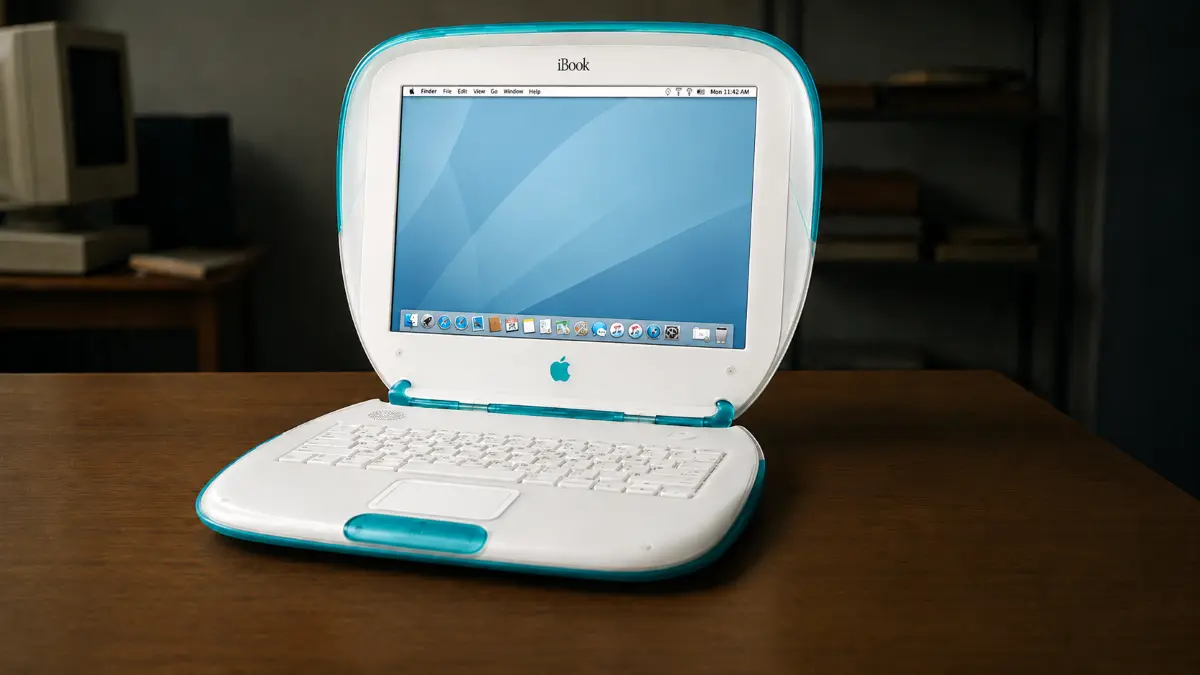

Wireless networking wasn’t always a given in laptops. On July 21, 1999, Apple introduced the iBook laptop, the first mainstream computer designed and sold with built-in wireless networking. This wasn’t just a new feature; it was a fundamental shift in how users could connect to the internet and each other.
Before the iBook, laptops were tethered by cables or required clunky external adapters to access networks. Apple’s decision to integrate wireless networking directly into the iBook addressed a core problem: mobility without compromise. Users could finally move freely within range of a network without being chained to a desk or a physical connection.
At the time, wireless networking was still in its infancy. The standards were emerging, and infrastructure was limited. Yet Apple’s move signaled confidence in wireless technology’s potential to become mainstream. By embedding wireless hardware and software into the iBook, Apple made a statement that mobile connectivity was not a luxury but a necessity.
The introduction of built-in wireless networking on the iBook changed the expectations for laptops and portable computing. It accelerated the adoption of Wi-Fi as a standard feature across devices and pushed businesses, schools, and public spaces to invest in wireless infrastructure. This shift enabled a new era of productivity where users could work, learn, and communicate from virtually anywhere within network range.
More importantly, the iBook’s wireless capability laid groundwork for future innovations in mobile computing. It helped pave the way for the seamless, always-connected experiences we now take for granted, from streaming video on the go to cloud-based collaboration tools. The iBook wasn’t just a laptop; it was a platform that helped redefine what “mobile” meant in technology.
Today, built-in wireless networking is so standard that it’s easy to forget how revolutionary it was to have it integrated in 1999. The iBook’s legacy lives on in every device that connects effortlessly to Wi-Fi networks without additional hardware. It solved the problem of mobility and connectivity in one stroke, making wireless access a fundamental expectation rather than an optional add-on.
Reflecting on this event reminds us that technology breakthroughs often come from rethinking user needs and removing barriers. Apple’s iBook showed that integrating wireless networking wasn’t just about adding a feature; it was about enabling a new way of working and living with technology.