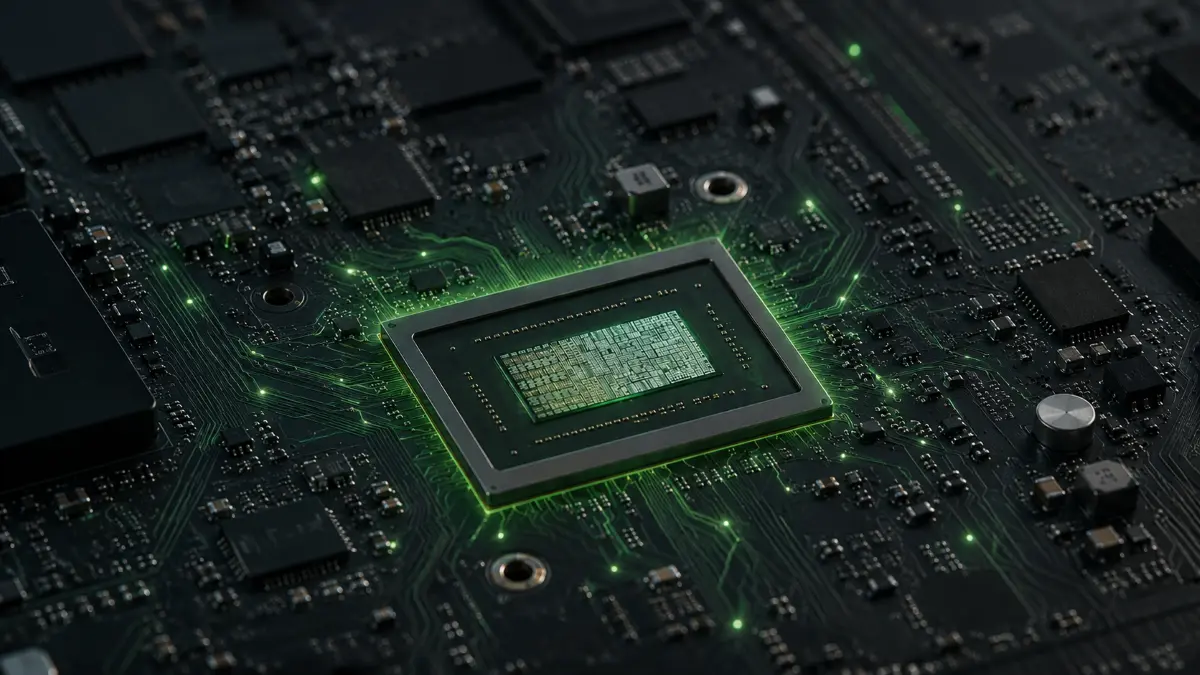

Nvidia CEO Jensen Huang recently unveiled the RTX Spark, a powerful system-on-a-chip (SoC) designed for AI workloads on laptops and desktops. This bold move signals Nvidia’s intent to dominate the next wave of AI computing hardware, positioning the RTX Spark as a cornerstone for future AI applications. Meanwhile, Google’s Gemini Spark chip is gaining attention as a rival contender, sparking debate over which architecture will shape the AI landscape.
The RTX Spark’s significance lies in its integration of advanced AI acceleration within a versatile SoC, tailored for both mobile and desktop environments. This approach could redefine how AI models run locally, reducing reliance on cloud infrastructure and enabling faster, more efficient AI processing at the edge. Nvidia’s reputation in GPU-driven AI workloads lends credibility to the RTX Spark’s potential impact.
Google’s Gemini Spark, by contrast, represents a different strategic vision, emphasizing tight integration with Google’s AI software stack and cloud services. While details remain less clear, Gemini Spark’s design reportedly targets optimized AI inference and training, potentially offering competitive performance in data center and edge scenarios. The rivalry between Nvidia and Google chips underscores a broader industry shift toward specialized AI silicon, as companies race to deliver chips that balance power, efficiency, and integration.
Strategically, Nvidia’s RTX Spark could accelerate AI adoption in consumer and professional devices, expanding the market beyond traditional servers. Google’s Gemini Spark may reinforce its cloud dominance by tightly coupling hardware and software for AI workloads. Both chips highlight the growing importance of AI-specific SoCs in the semiconductor landscape, where raw GPU power alone no longer suffices.
What to watch next is how these chips perform in real-world applications and whether Nvidia or Google can secure partnerships that drive widespread adoption. The competition also raises questions about interoperability and standards in AI hardware, which could influence developer and enterprise choices. As AI computing evolves, the battle between RTX Spark and Gemini Spark will be a key indicator of the future direction of AI chip innovation.