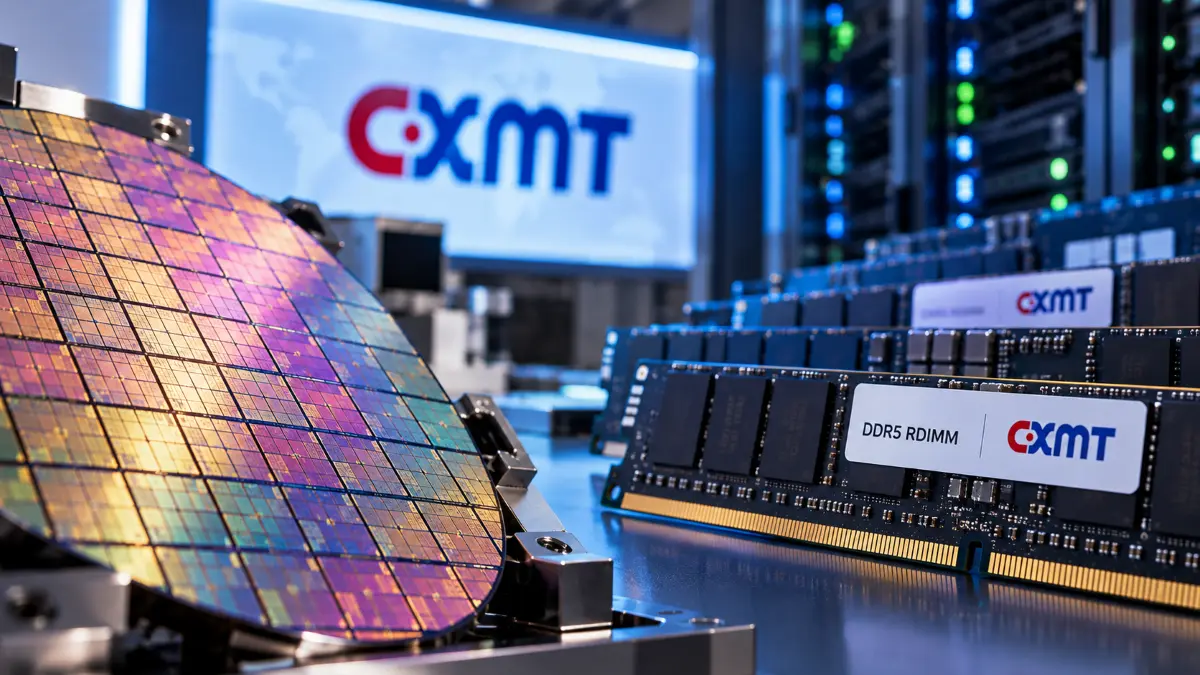

China is ramping up its AI ambitions with a staggering $295 billion investment aimed at building a robust AI compute infrastructure. This move marks a significant escalation in the ongoing technological rivalry with the United States, where data center expansion and AI compute capacity have become critical battlegrounds.
The scale of China’s planned investment highlights how AI compute infrastructure has emerged as a strategic asset in global tech competition. While the US benefits from a booming data center market fueled by cloud providers and AI startups, China’s government-backed spending signals a push to close the gap in AI hardware capabilities and support its domestic AI ecosystem.
This massive funding effort underscores the broader industry trend where raw compute power is becoming as crucial as algorithms and data in AI development. The ability to process vast amounts of data quickly and efficiently is a key differentiator in AI performance, making infrastructure investments a priority for nations seeking leadership in AI innovation.
Strategically, China’s investment could reshape the global AI supply chain and data center landscape. It may accelerate the development of indigenous AI chips and data center technologies, reducing reliance on foreign suppliers amid ongoing geopolitical tensions. For the US, this intensifies the imperative to maintain its edge in AI infrastructure and chip manufacturing.
Looking ahead, the competition over AI compute infrastructure will be a critical front in the US-China tech rivalry. Industry watchers should monitor how China’s spending translates into tangible infrastructure projects and whether it spurs new innovations or shifts in global AI supply chains. The race for AI dominance is increasingly defined by who controls the compute backbone powering next-generation AI systems.