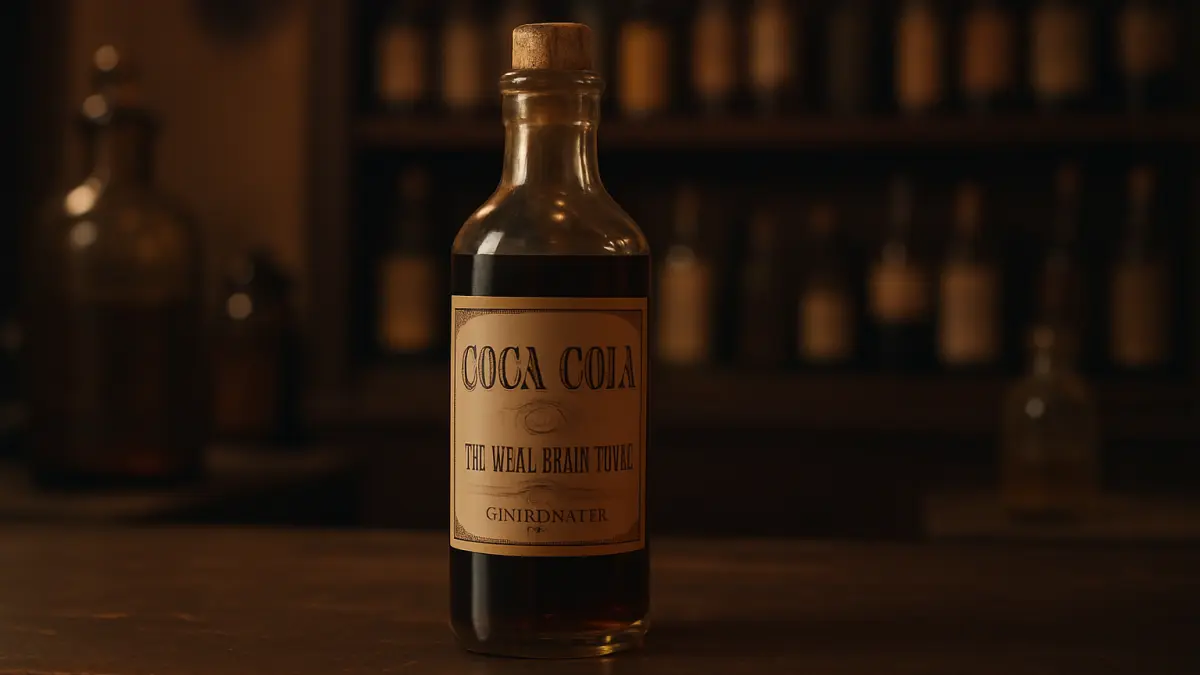

The hiss of a freshly opened soda bottle is a familiar sound worldwide, but it all traces back to a lesser-known technological milestone in beverage history. On May 8, 1886, pharmacist John Pemberton first sells a carbonated beverage named “Coca-Cola” as a patent medicine. This event was more than just the birth of a brand; it represented an early application of carbonated beverage technology that would influence both the science and culture of refreshment.
At the time, carbonation was an emerging technology. The process of infusing water with carbon dioxide gas to create effervescence was still being refined. Pemberton’s formulation combined this fizzy base with flavoring agents and medicinal ingredients, positioning Coca-Cola as a health tonic. While the product’s commercial success was initially modest, the underlying technology of carbonated beverages was what truly mattered. It demonstrated how carbonation could be harnessed not only for taste but also for preservation and sensory appeal.
This early use of carbonation solved several problems. First, it extended the shelf life of beverages without refrigeration, a crucial advantage in the late 19th century. Second, carbonation introduced a unique mouthfeel and sensory experience that plain water or sweetened drinks lacked. The technology also created a platform for innovation in beverage formulation, packaging, and distribution. The ability to mass-produce and bottle carbonated drinks would eventually transform the global beverage industry.
The ripple effects of this technology are still felt today. Modern soft drinks, sparkling waters, and even some alcoholic beverages rely on refined carbonation methods that trace their lineage back to these early experiments. Advances in carbonation technology have improved consistency, reduced costs, and enhanced flavor delivery. The principles established by Pemberton’s initial product helped pave the way for automated bottling lines, pressurized canisters, and even novel carbonation techniques like nitrogen infusion.
Beyond the technical, the event underscores the intersection of science and consumer culture. Carbonated beverage technology enabled new forms of social interaction and marketing. The sensory appeal of fizz became a key part of brand identity and consumer expectation. This legacy continues to shape how companies innovate in flavor, packaging, and product experience.
Looking back, the sale of Coca-Cola as a patent medicine on May 8, 1886, was a quiet but foundational moment in the evolution of beverage technology. It wasn’t just about a drink; it was about mastering carbonation to create a scalable, enjoyable product. That mastery laid the groundwork for an entire industry built on bubbles and flavor.
In a world now saturated with countless carbonated options, it’s worth remembering how this technology started as a curious blend of chemistry and commerce. The fizz we take for granted today owes much to those early efforts to tame carbon dioxide and turn it into refreshment.