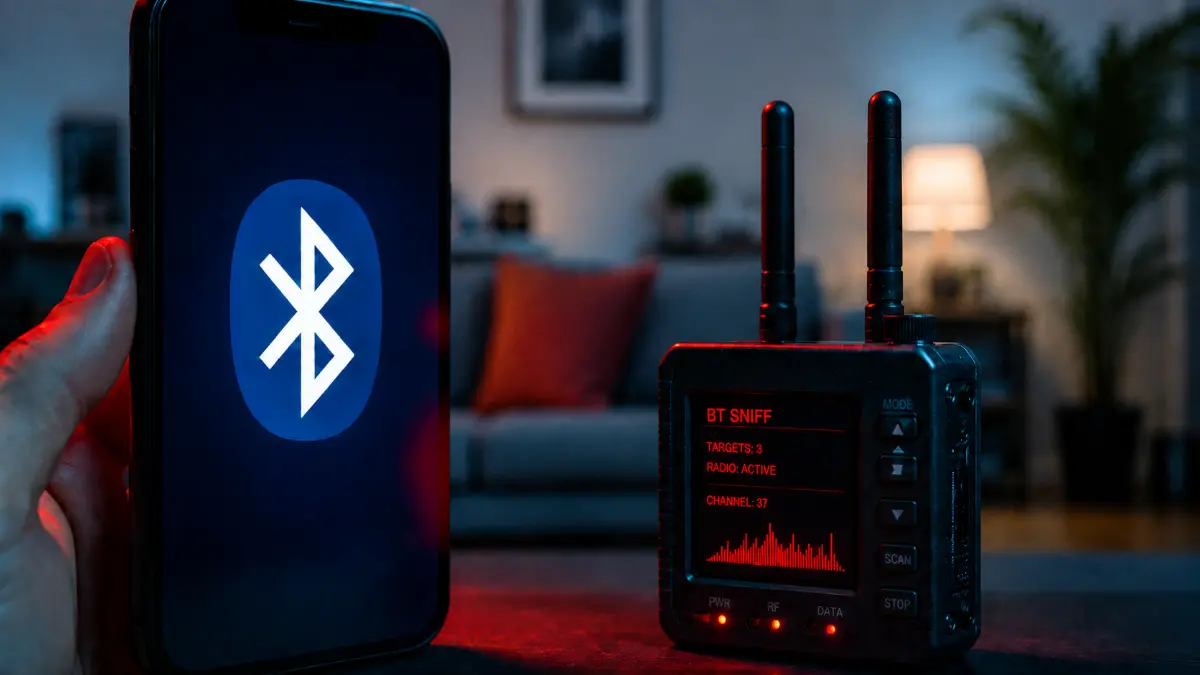

Bluetooth technology is often perceived as a safe and convenient way to connect devices wirelessly. However, the claim that Bluetooth is completely safe from hacking is a myth. In reality, Bluetooth has known vulnerabilities that can be exploited by malicious actors.
Claim: Bluetooth Technology is Completely Safe from Hacking
Quick answer: The final verdict is Myth due to known vulnerabilities in Bluetooth technology that can be exploited by hackers.
Bluetooth operates using radio waves, which can be intercepted, making it susceptible to various types of attacks. For instance, attackers can use techniques like Bluejacking, Bluesnarfing, and Bluebugging to gain unauthorized access to devices. These methods can lead to data theft, unauthorized calls, or even control over the device.
One significant vulnerability is the pairing process. Many devices use a simple PIN or passkey for pairing, which can be easily guessed or intercepted. Additionally, older Bluetooth versions have more weaknesses than the newer ones, but many devices still use outdated protocols.
Another concern is the potential for Bluetooth devices to be discoverable. If a device is set to be visible, it can be more easily targeted by hackers. Users often forget to turn off Bluetooth when not in use, leaving their devices open to attacks.
Being aware of these risks is crucial for safe Bluetooth usage. Users should ensure that their devices are updated with the latest security patches, use strong pairing codes, and turn off Bluetooth when not in use. Furthermore, avoiding pairing with unknown devices can significantly reduce the risk of exploitation.
In conclusion, while Bluetooth technology offers great convenience, it is not entirely safe from hacking. Awareness of its vulnerabilities can help users adopt safer practices and protect their devices from potential threats.