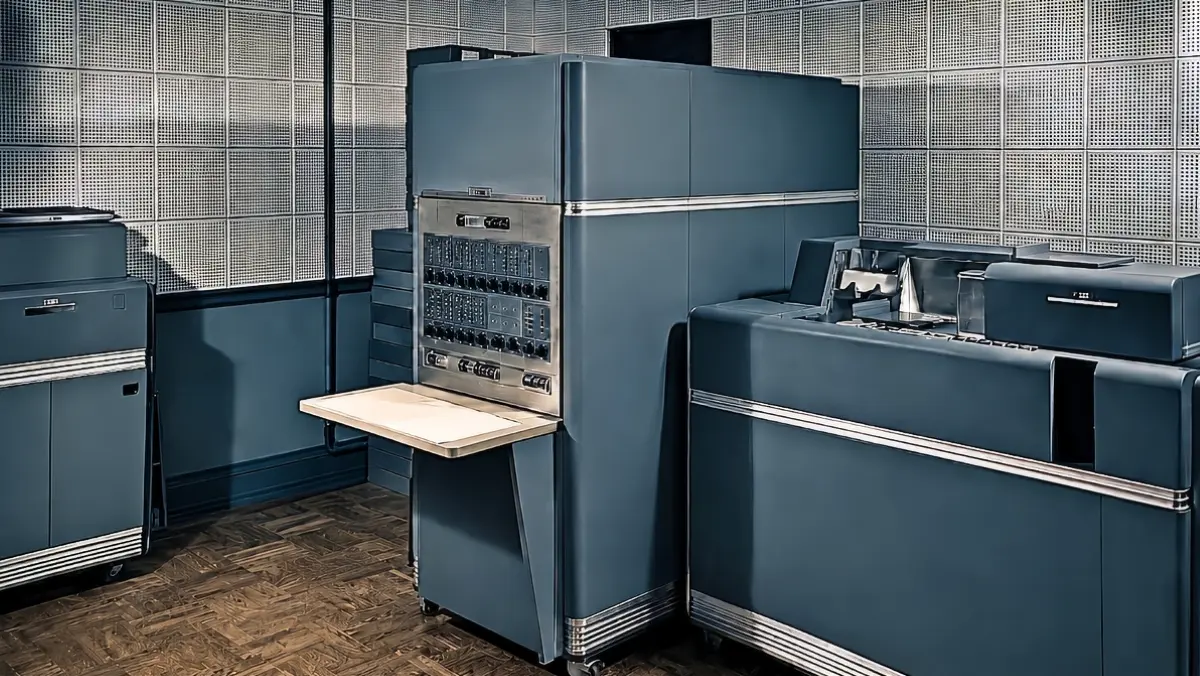

July 2, 1953. IBM unveiled the 650 series of computers, a machine that didn’t just push the envelope, it reshaped the entire landscape of computing. The IBM 650 computer was the first mass-produced computer, setting a new standard for accessibility and practicality in the industry.
This wasn’t just another bulky mainframe. The 650’s architecture combined a rotating magnetic drum for memory with programmed punch cards for input. It stored numbers up to 10 decimal digits, a technical detail that might seem modest today but was a leap forward in precision and efficiency back then.
At the time, computing was largely a bespoke affair. Machines were custom-built, expensive, and limited to specialized institutions. The IBM 650 changed that by becoming the dominant computer of the decade, thanks to its mass production and relative affordability. This shift meant more organizations could integrate computing power into their operations without the prohibitive costs and complexity of earlier machines.
The IBM 650’s magnetic drum memory was a clever solution to the problem of data storage and retrieval speed. Unlike the vacuum tube or relay-based memory systems of its predecessors, the drum allowed for faster access times and greater reliability. This innovation laid foundational concepts for future memory technologies. Meanwhile, the use of punch cards for programming streamlined data input and processing workflows, making the machine more user-friendly and adaptable.
What the IBM 650 made possible was a democratization of computing resources. Universities, government agencies, and businesses could now leverage computational power for research, data analysis, and operational tasks. This accessibility accelerated developments in fields ranging from scientific research to business analytics, embedding computing into the fabric of modern society.
The ripple effects extended beyond just who could use computers. The 650’s design principles influenced subsequent generations of machines, particularly in how memory and input/output systems were conceptualized. Its success proved that computers could be standardized products rather than one-off projects, a mindset that propelled the industry forward.
Today, the IBM 650 computer remains a critical reference point in the evolution of technology. It reminds us that innovation isn’t always about raw power or complexity; sometimes, it’s about solving practical problems, like making technology scalable, reliable, and accessible. The 650 showed that computing could move from the realm of specialists into the hands of a broader audience, a principle that continues to drive tech development.
Reflecting on the IBM 650’s legacy, it’s clear that mass production was more than a manufacturing milestone. It was a strategic pivot that redefined what computing could be and who it could serve. This shift laid the groundwork for the digital world we navigate today.