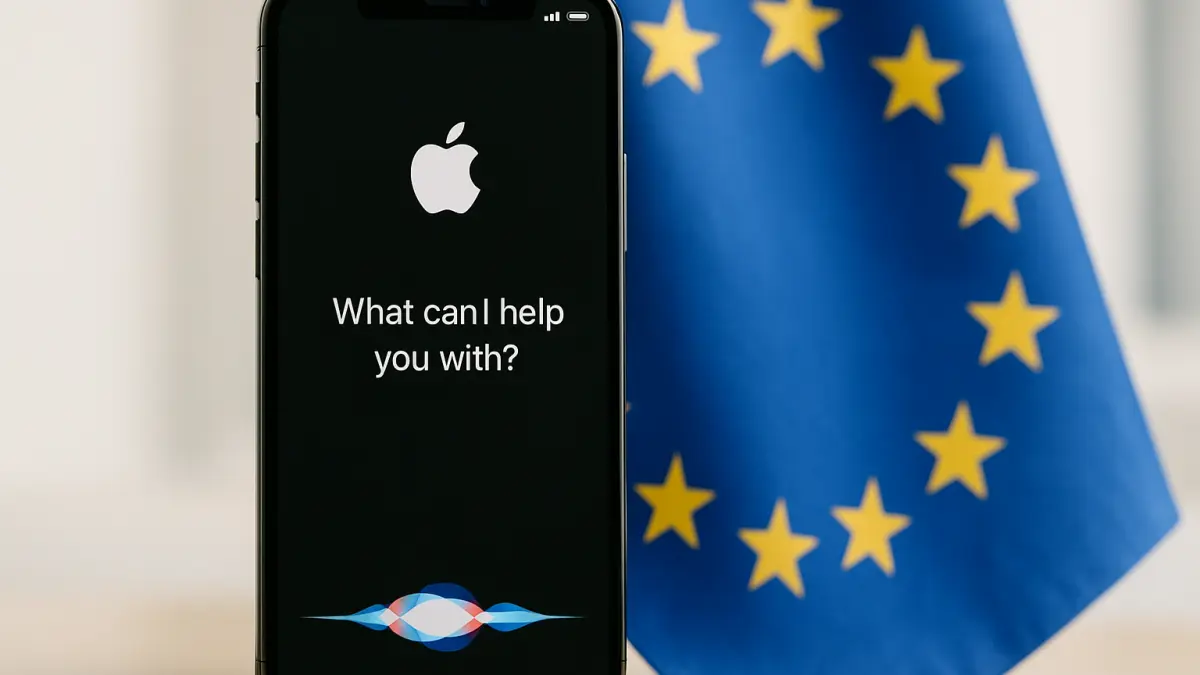

Apple’s upgraded Siri AI, which has been gradually enhancing the voice assistant’s capabilities worldwide, is facing a significant delay in the European Union. According to recent reports, iPhone and iPad users in the EU may have to wait several more months before gaining access to the new Siri AI features due to ongoing regulatory compliance challenges.
This delay underscores the complexities Apple encounters when deploying advanced AI technologies across different regulatory landscapes. While users in other regions have started experiencing the benefits of Siri’s AI improvements, EU customers remain on the sidelines, highlighting the impact of regional regulations on technology rollouts.
What Changed with Siri AI
Apple’s Siri AI upgrade represents a notable evolution in the voice assistant’s functionality, leveraging advanced machine learning models to offer more natural, context-aware interactions. The update aims to improve Siri’s understanding of complex queries, enhance conversational continuity, and provide more personalized responses. These improvements rely on sophisticated AI processing that integrates deeply with Apple’s ecosystem, including iOS and iPadOS devices.
Why the EU Faces a Delay
The extended wait for Siri AI in the EU stems from Apple’s need to ensure full compliance with stringent European data privacy and AI regulations. The EU’s regulatory framework for artificial intelligence, combined with its General Data Protection Regulation (GDPR), imposes rigorous requirements on how user data is processed, stored, and protected. Apple must navigate these rules carefully to avoid legal pitfalls, which has slowed the rollout.
This regulatory scrutiny is particularly intense for AI features that process voice data and personal information, as these are sensitive areas under EU law. Apple’s delay reflects a cautious approach to meet these standards without compromising user privacy or security.
Impact on EU Users and Developers
For EU users, the delay means continued reliance on the existing Siri experience, which lacks the enhanced AI capabilities available elsewhere. This gap affects usability, as the upgraded Siri AI offers faster, more accurate responses and better integration with apps and services. The delay may also influence user satisfaction and competitive positioning in the European market.
Developers targeting the EU market face uncertainty regarding when they can fully leverage the new Siri AI features in their apps. The staggered rollout complicates development and testing processes, as capabilities available in other regions are temporarily inaccessible in the EU.
What Remains Unchanged
Despite the delay, the core Siri functionality remains operational across all regions, including the EU. Users can still perform standard voice commands, control smart home devices, and access Apple services through Siri. The delay specifically affects the latest AI-driven enhancements rather than the entire voice assistant platform.
Broader Context of Apple’s AI Strategy
Apple’s cautious approach in the EU reflects a broader trend of tech companies balancing innovation with regulatory compliance. The company’s emphasis on privacy and security has often led to more measured AI deployments compared to competitors. This strategy aims to maintain user trust but can result in slower feature availability in tightly regulated regions.
What to Watch Next
The timeline for Siri AI’s EU rollout remains uncertain, with Apple expected to provide updates as it progresses through compliance hurdles. Observers should watch for announcements regarding certification or regulatory approvals that could signal the start of the EU launch. Additionally, how Apple adapts its AI architecture to meet evolving regulations will be a key factor shaping future deployments.
As AI continues to transform digital assistants, the EU’s regulatory environment will remain a critical factor influencing when and how these technologies reach users. Apple’s experience with Siri AI in Europe may serve as a case study for balancing innovation with legal frameworks in the AI era.