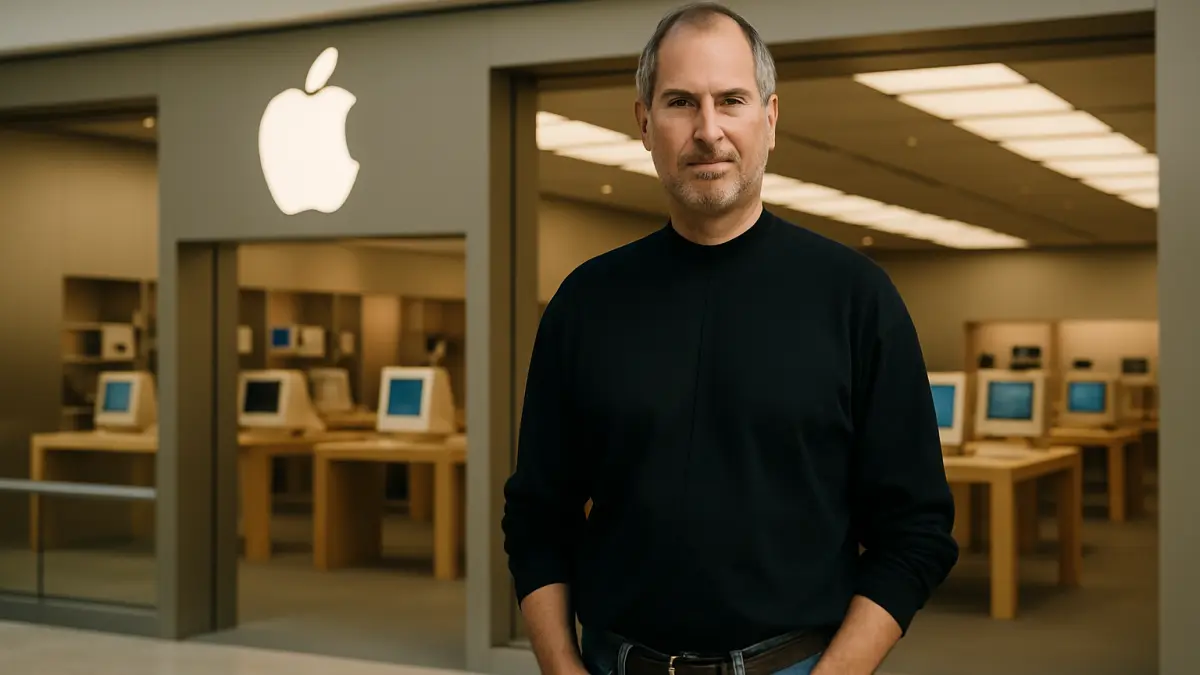

In the spring of 2001, Apple took a gamble that many in the tech world dismissed as folly. On May 15, 2001, Apple Computer announced plans to operate a chain of retail stores, aiming to open twenty-five locations across the United States by year’s end. Steve Jobs unveiled this strategy at a press event held at Apple’s first store in the Tysons Corner Center. The initial stores, including a second in Washington, D.C., were set to open just days later on May 19.
At the time, the idea of a tech company running its own retail chain was unconventional. Most industry insiders believed Apple’s retail stores would fail, citing the high costs and risks of physical retail in an increasingly digital age. Apple was primarily known for its innovative products, not for retail expertise. Yet, this move was more than just about selling computers. It was about controlling the customer experience from start to finish.
Why did this matter in 2001? Apple was struggling to differentiate itself in a crowded PC market. Traditional electronics retailers often lacked the knowledge or enthusiasm to showcase Apple’s products effectively. By creating its own retail environment, Apple could educate customers, provide hands-on demos, and offer personalized support. This approach solved a critical problem: bridging the gap between complex technology and everyday users. The stores became places where people could explore, learn, and connect with the brand on a deeper level.
The impact of Apple’s retail stores was profound and immediate. They redefined how technology products were marketed and sold. The stores became hubs of innovation in retail design, combining minimalist aesthetics with interactive product displays and expert staff known as “Geniuses.” This model not only boosted sales but also built a loyal customer base. Apple’s ability to control the entire buying journey, from discovery to purchase to support, set a new standard that competitors would struggle to match.
Beyond sales, Apple’s retail stores created a new kind of tech culture. They became community centers for workshops, product launches, and creative sessions. This approach helped Apple cultivate a passionate user base that extended well beyond the products themselves. The stores also provided valuable data on customer preferences and behavior, fueling Apple’s product development and marketing strategies.
Today, the legacy of Apple’s retail stores launch remains visible. The concept of brand-owned retail spaces is now a staple in tech and beyond. Apple’s success demonstrated that physical stores could thrive by offering experiences digital channels alone cannot replicate. The strategy also highlighted the importance of seamless integration between product, service, and environment, an insight that continues to influence how companies engage with customers.
Looking back, Apple’s decision to open its own retail stores was not just a retail experiment; it was a strategic move that reshaped the relationship between technology companies and consumers. It challenged conventional wisdom about retail and proved that direct engagement could be a powerful driver of growth. This event on May 15, 2001, marked the beginning of a new era where technology brands took control of their narratives and customer journeys in unprecedented ways.
As we reflect on this moment, it’s clear that Apple’s retail stores did more than sell gadgets. They changed how technology meets people, making the experience more accessible, personal, and inspiring. That’s a lesson that resonates even in today’s fast-evolving digital landscape.