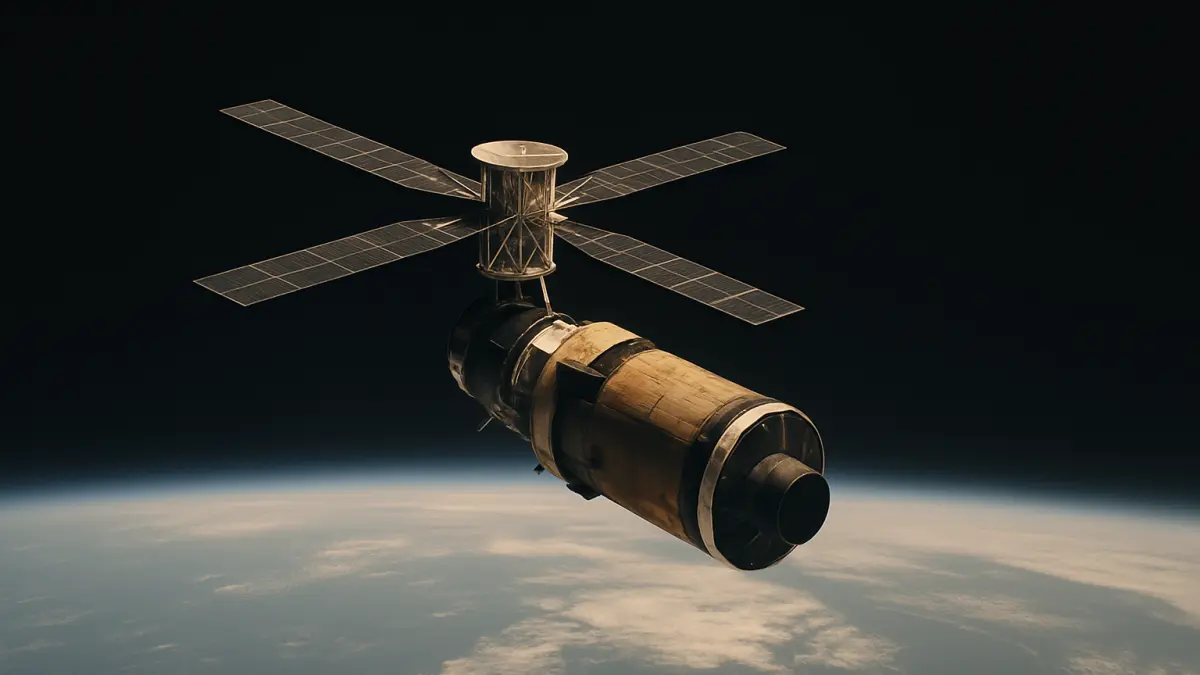

The Skylab launch on May 14, 1973, was a defining moment in space technology. It wasn’t just another rocket sent skyward; it was the United States’ first space station, a bold experiment in living and working beyond Earth’s atmosphere. The Skylab launch set a new standard for what space missions could achieve, focusing on sustained human presence in orbit.
At the time, space exploration was primarily about short missions and quick returns. Skylab changed that by providing a platform where astronauts could stay for weeks, conduct scientific experiments, and test new technologies in a microgravity environment. The launch addressed a fundamental problem: how to maintain human life and productivity in space over extended periods. This was crucial for future ambitions like moon bases or Mars missions.
Technically, Skylab was a marvel. It combined living quarters, a workshop, and a solar observatory into a single orbiting structure. The station’s design solved multiple engineering challenges, such as power generation through solar panels and waste management in zero gravity. Its modular approach allowed astronauts to repair and upgrade systems while in orbit, a practice that has become standard in space station design.
The Skylab launch also demonstrated the importance of human factors in space missions. The crew’s ability to adapt to confined spaces, manage psychological stress, and perform complex tasks helped shape astronaut training programs. The data collected on human health and performance in space continues to inform today’s long-duration missions aboard the International Space Station and beyond.
What changed because of Skylab was more than just technology; it was a shift in mindset. Space was no longer a place for quick visits but a domain where humans could live, work, and explore for extended periods. This shift paved the way for international collaborations and the development of the ISS, which relies heavily on the lessons learned from Skylab’s successes and failures.
Today, Skylab’s legacy is embedded in every orbiting habitat and space laboratory. Its pioneering work on solar power, life support, and orbital repairs remains relevant as we push toward lunar bases and crewed Mars missions. The station’s approach to solving complex, interrelated problems in space systems engineering still guides aerospace innovation.
Reflecting on Skylab’s launch reminds us that space exploration is as much about solving earthly problems as it is about reaching new frontiers. The station’s technology and human-centered design principles continue to inspire the next generation of explorers and engineers.