

The Consumer Electronics Show (CES) has long been a spectacle of novelty. Past years have seen everything from curved televisions to dancing robots vying for our attention. But 2026 feels different. Rather than being dazzled by one‑off gimmicks, visitors encounter mature innovations that weave together sustainability, mobility and human‑centred design. The technologies on display reveal a cultural shift: we’re moving from “Wow!” to “How?”—from technophilic excitement to reflective systems thinking.
Table of Contents
A Solid‑State Surprise
Take the buzz around batteries. For years, solid‑state cells were promised as a far‑off breakthrough that would make electric vehicles safer and more practical. At CES 2026, Finnish start‑up Donut Lab ended the waiting game. It unveiled an all‑solid‑state battery for electric vehicles and announced that it would power every 2026 Verge Motorcycles model. The Donut battery offers a 400 Wh/kg energy density and charges fully in five minutes. By replacing flammable liquid electrolytes with solid materials, the battery virtually eliminates thermal runaway and retains more than 99 % capacity in temperatures from –30 °C to above 100 °C.

CEO Marko Lehtimäki was candid about the hype cycle: “Solid‑state batteries are a moving target constantly delayed when companies are asked when they will become a reality,” he told the press. “Our answer is now, today, not later”. In other words, the company deliberately waited until its technology was tested, validated and already working in vehicles before announcing it. The result is a commercially ready battery that promises up to 100 000 charge cycles with minimal capacity loss—a lifespan measured in decades rather than years.
Donut Lab’s breakthrough sends ripples far beyond motorcycles. The battery can be produced in custom sizes and voltages for drones, cars and even off‑grid dwellings. Its first defence partner, Esox Group, is preparing to integrate the battery into interceptor drones and ground platforms, citing improvements in survivability, endurance and safety. As electrification touches everything from delivery robots to urban air taxis, the ability to recharge in minutes and endure extreme conditions could accelerate the transition away from fossil fuels.
Systems Thinking Comes to Consumer Tech
This year’s exhibition hall is less about flashy hardware and more about ecosystems. Artificial intelligence is embedded in devices, vehicles and infrastructure, but the conversation is shifting toward how these systems interact with each other and with us. Gary Shapiro, CEO of the Consumer Technology Association (CTA), framed it succinctly: combining AI with data and domain expertise can “reinvent entire industries” and revolutionize design, planning, operations and maintenance. He calls digital twins—a near‑real‑time virtual counterpart to physical objects and environments—a “once‑in‑a‑century opportunity” to streamline manufacturing, infrastructure and transportation.
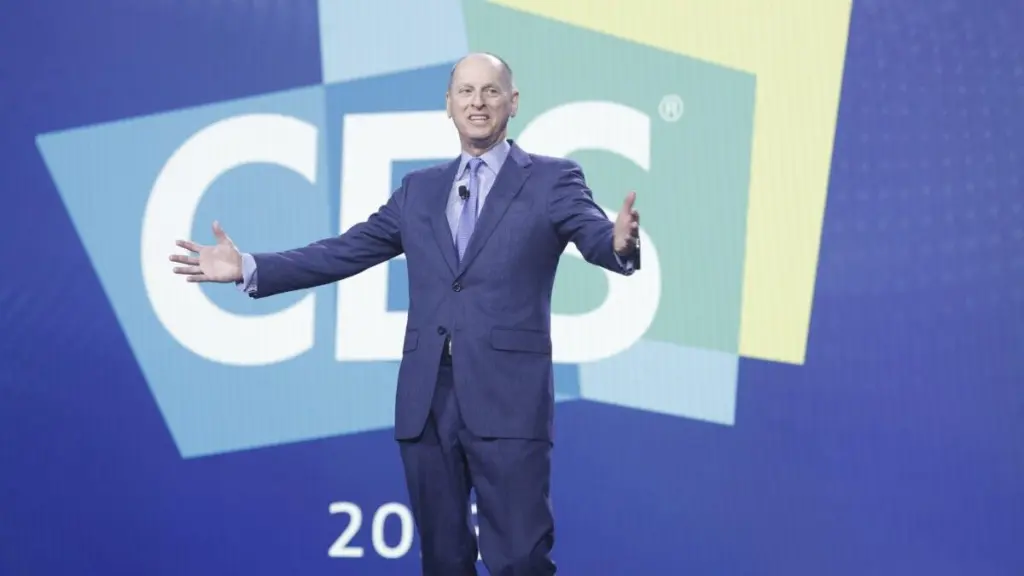
Consider the Siemens keynote. Company CEO Roland Busch argued that society is moving from a world before AI to one where intelligence is infused into every machine, building, grid and transport network. Siemens is introducing a tech stack that combines AI, digital twins and automation to transform manufacturing and city planning. The company sees AI as ubiquitous, calling it an opportunity to scale industrial innovation. For a technology columnist, this move signals a deeper narrative: the invisible infrastructure of sensors and models is as important as the physical gadgets we hold.
Mobility Reimagined
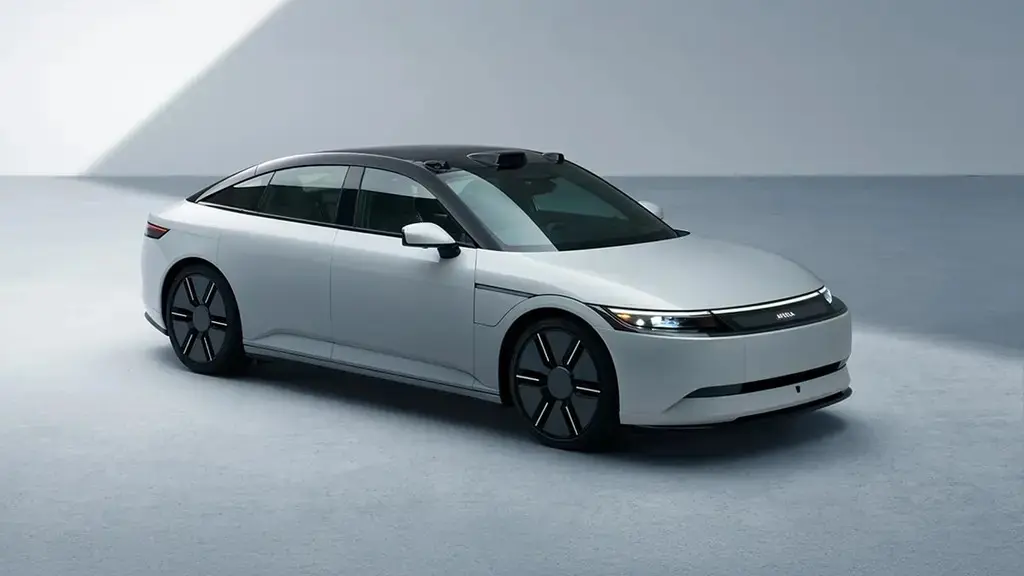
CES 2026’s mobility hall, West Hall, feels like a transportation laboratory. OnlySky, a news site summarizing the show, reports that the West Hall is dominated by connected and autonomous vehicles, drones and air taxis. Sony Honda Mobility is previewing the pre‑production Afeela 1 electric vehicle, which uses AI‑powered smart navigation and 40 sensors—including 18 cameras, 1 LiDAR, 9 radars and 12 ultrasonic sensors—to perceive its environment. The car is expected to go on sale in California in 2026 for roughly $89 900, and its operating system will continuously learn from the driver.
Even more radical are the vehicles that blur categories. Supernal, Hyundai’s eVTOL division, is showcasing air taxis that combine electric propulsion with autonomous flight, hinting at commuter flights between city rooftops. Drone demonstrations in the adjacent arena show regulators warming to urban air mobility, albeit within strict safety frameworks.
The mobility story extends beyond vehicles to software‑defined platforms. Several start‑ups present modular architectures that allow over‑the‑air updates, enabling vehicles to evolve over their lifetimes. Intellias brought a chip‑to‑cloud automotive platform with a conversational GenAI voice assistant and remote update capabilities. Such platforms decouple vehicle hardware from software, making cars more like smartphones—upgradable, personalized and controlled by AI.
Robots With Purpose
In previous years, home robots were often gimmicky companions that served drinks or acted as rolling cameras. CES 2026 marks a shift toward robots that perform useful tasks in homes, factories and hospitals. Qualcomm introduced the Dragonwing IQ10 robotics processor, designed for energy‑efficient, safety‑graded AI in humanoids and industrial robots. The chip fuses sensor data from cameras, LiDAR and tactile sensors to enable robots to perceive and navigate complex spaces. It also supports visual language models and visual language action models that allow robots to interpret natural language commands and respond with physical actions. By providing an end‑to‑end data flywheel that allows continuous learning in the field, Dragonwing attempts to close the gap between research prototypes and real‑world deployments.
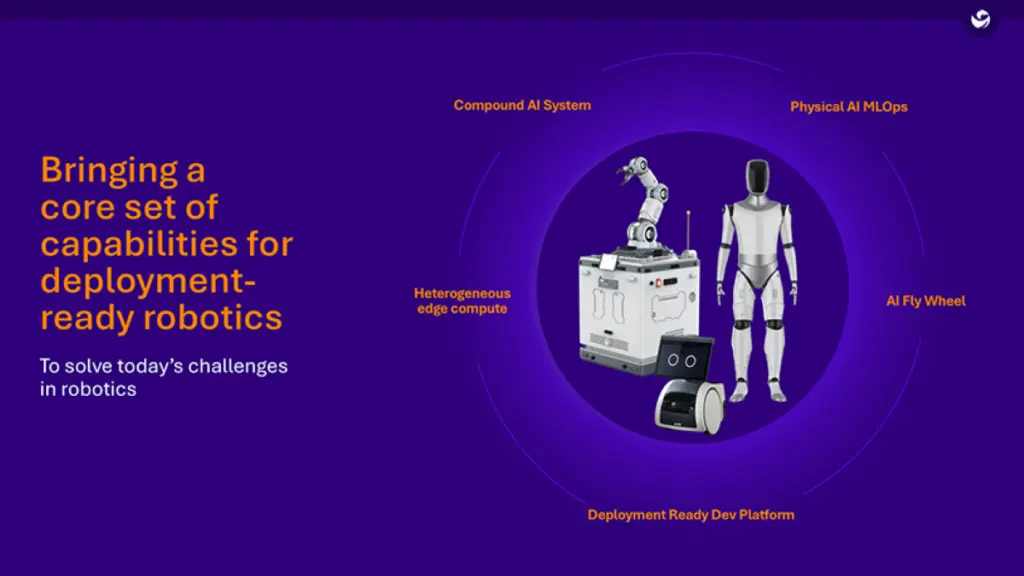
Elsewhere, the K‑Humanoid Alliance, representing South Korea’s robotics ambitions, unveils humanoids that can navigate stairs, recognize faces and carry packages. Home robots like Astromech vacuum–mop–butlers now incorporate robotic arms to pick up toys and laundry, while Robotic Bartender 3.0 uses AI to craft personalized beverages. Instead of novelty, the focus is on delivering meaningful value—whether helping aging parents move safely or automating dangerous industrial tasks. OnlySky notes that CES 2026 features AI‑embedded robots for home, healthcare, military and industry, with more capable humanoids and multifunction robots.
Digital Health Gets Personal
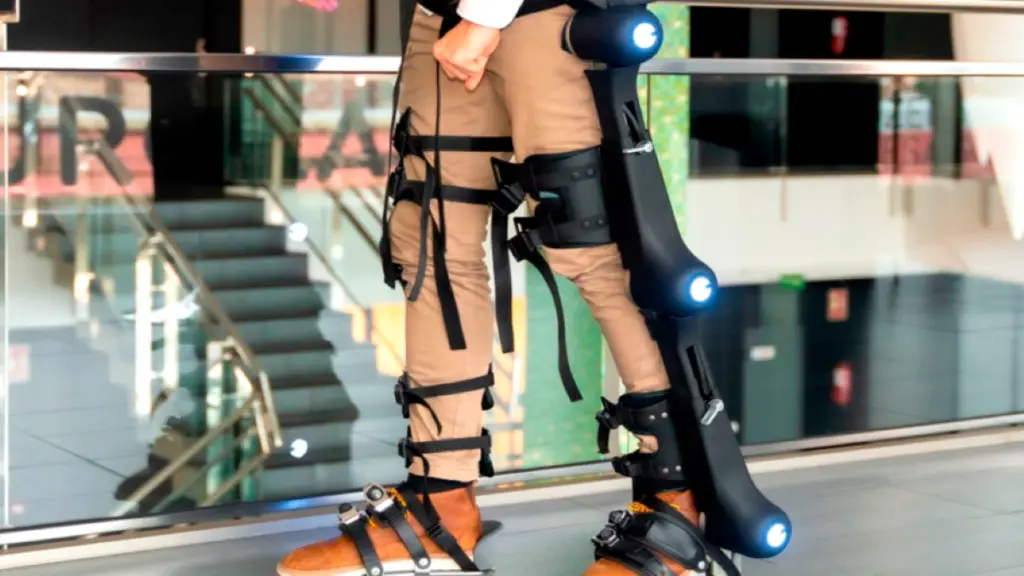
Wearables and health tech have matured from step counters to medical‑grade sensors. OnlySky highlights that CES 2026 wearables include AI‑enhanced smartwatches, rings, glasses, in‑ear EEG monitors and even hormone detectors. Exoskeletons that support mobility for people with disabilities or workers in physically demanding jobs share space with sensor‑packed clothing. The integration of sensors, AI and cloud analytics is pushing health monitoring beyond periodic check‑ups. Longevity tech—from sleep‑tracking headbands to at‑home lab tests—positions consumers as co‑managers of their well‑being.
Dassault Systèmes offers a striking example with its Step Inside Alzheimer’s exhibit. Visitors enter an illuminated cube and navigate between a city, home and brain from the perspectives of patient, caregiver and researcher. The demonstration fuses AI with a patient’s virtual twin and real‑time sensors to create a living health record that predicts and prevents decline. By connecting body signals, smart‑home data and clinical research, Dassault shows how a “healthcare operating system” might one day personalize dementia care. It’s a provocative blending of ethics and design: we must decide who controls these virtual selves and how they preserve privacy while delivering care.
Sustainability as a Design Imperative
Beyond products, CES 2026 embraces sustainability as a core theme. A CTA press release notes that the show spans 2.6 million net square feet and features record numbers of exhibitors, with innovations across AI, robotics, digital health, mobility, energy and immersive entertainment. Top trend categories include AI and digital twins, digital health, energy (spanning solar, wind and nuclear to meet the demand for AI and quantum computing), enterprise technology, and mobility across air, land and sea.
Energy innovations range from small sensors that harvest ambient radio waves to large‑scale solutions. Several booths show portable nuclear micro‑reactors designed for disaster relief or remote communities—part of a broader push to decarbonize electricity supply. Solar manufacturers demonstrate flexible photovoltaic films that can be integrated into car roofs or window glass. Meanwhile, home energy‑management platforms coordinate solar panels, batteries, heat pumps and electric vehicle chargers, using AI to optimize energy flows and save money.
The Matter standard, aimed at unifying smart‑home devices, gains traction; companies across lighting, appliances and security pledge to adopt it. OnlySky notes that CES 2026 smart‑home exhibits emphasize integrated ecosystems and energy efficiency. This shift is cultural as much as technical: consumers increasingly value longevity and repairability over disposable gadgets. Companies respond with modular designs that allow battery replacement and software updates.
The Market Context
According to the CTA’s consumer technology industry forecast, U.S. tech revenue is expected to reach $565 billion in 2026, growing 3.7 % year‑over‑year despite economic headwinds. Hardware revenue will rise 3.4 %, while software and services spending is projected to climb 4.2 %. CTA attributes growth to three forces: Intelligent Transformation (AI across devices), Longevity Technologies (digital health and wellness tools) and Engineering Tomorrow (electrification, mobility, energy management, infrastructure modernization). These categories map neatly onto the innovations seen at CES 2026.
The show itself is massive: more than 130 000 visitors, nearly 4 000 exhibitors and thousands of startups from over 150 countries. Over 3 600 Innovation Award submissions signal a broad appetite for recognition and an increasingly competitive marketplace. Kinsey Fabrizio, CTA’s Senior Vice President, notes that CES hosts over 400 conference sessions with more than 1 300 speakers. Such scale underscores the challenge and opportunity for journalists: making sense of the noise, connecting disparate trends and helping readers see the bigger picture.
Ethics and Inclusion
Dana Morgan’s column often links technology to its human impact. At CES 2026, ethics and inclusion aren’t just side panels; they are built into product narratives. When AI assistants become ubiquitous, issues of privacy and bias come to the fore. Startups show local AI processing that keeps personal data on the device, addressing data‑sovereignty concerns and aligning with regulations like Europe’s General Data Protection Regulation (GDPR). Panels on accessibility highlight assistive technologies—from smart glasses that narrate the world for visually impaired users to exoskeletons that help people with spinal injuries stand and walk.
The show also spotlights sustainable design across supply chains. Electronics manufacturers discuss circular‑economy practices like recycled plastics, modularity and e‑waste takeback programs. Meanwhile, activists remind attendees of the paradox: manufacturing the devices we love still requires mining, energy and labour often concentrated in marginalized communities. The presence of sustainability grants—such as the CTA’s $125 000 awards for Las Vegas urban planning (though details were not fully accessible during research)—indicates that trade shows are starting to invest in their host cities.
Implications for Consumers
For consumers, the technologies showcased at CES 2026 will shape the way we live, move and care for ourselves over the next decade. Electric vehicles and solid‑state batteries promise to make zero‑emission transportation practical and affordable. If motorcycles can fully recharge in five minutes, it’s not hard to imagine electric cars doing the same in the near future. The ripple effect on charging infrastructure, urban planning and oil demand could be profound.
Smart homes will become more interoperable as standards like Matter mature. Instead of juggling apps for lights, locks and thermostats, homeowners might interact with a unified AI agent that manages devices based on occupancy and energy prices. At the same time, consumers will need to consider the trade‑offs between convenience and privacy. Should your coffee maker know your wake‑up time? Should your speaker listen for health anomalies? These questions move from hypothetical to practical as AI pervades the domestic sphere.
Personalized health tools will give individuals greater control, but also more responsibility. Continuous monitoring of heart rhythms, hormone levels or mental states could lead to earlier interventions and longer, healthier lives. Yet the data these devices collect could be misused by insurers or employers without strong protections. The ethical frameworks we adopt will determine whether health tech empowers or surveils.
Robots in homes and workplaces will lighten workloads and assist elders, but they will also raise questions about labour displacement and human dignity. A robotic exoskeleton that helps a warehouse worker lift heavy boxes might reduce injuries, but if employers use the technology to accelerate workflow without reducing hours, workers may simply be expected to do more. Likewise, autonomous vehicles could increase road safety but also disrupt jobs for drivers.
Speculative Futures
Looking beyond the exhibition hall, CES 2026 hints at a future where digital twins become as commonplace as smartphones. Imagine cities where every building, road and utility has a virtual counterpart continuously updated with sensor data. Urban planners could simulate the impact of adding bike lanes or new housing before breaking ground. Emergency responders could train in virtual environments that mirror the real world in real time. In factories, digital twins could predict equipment failures and optimize energy use, reducing waste and emissions. These possibilities underscore Shapiro’s and Busch’s claims that AI and digital twins will revolutionize design and operations.
Solid‑state batteries might also transform more than transportation. If high‑energy, fast‑charging batteries become affordable and widely available, they could enable decentralised micro‑grids where homes and businesses store and trade energy. Remote communities could leapfrog centralized grids, using locally generated solar or wind power stored in durable batteries. Disaster response could be faster if vehicles and equipment don’t need long charging times.
Robots could extend human senses and capabilities. Humanoid assistants might help with rehabilitation, while haptic robotic arms could let surgeons perform remote operations with precision. In schools, child‑sized robots could facilitate interactive learning, serving as tutors or collaborative partners for students with diverse learning needs. The challenge will be to design these systems to support human growth rather than replace human connection.
In healthcare, virtual human twins could become standard. Newborns might receive a digital twin at birth, continuously updated through life. Doctors could test treatments in simulation before prescribing them. Genetic, lifestyle and environmental data could converge to provide personalized wellness plans. Yet such a future requires robust safeguards. Questions about consent, data ownership and algorithmic bias must be addressed. It also raises the spectre of inequality if such comprehensive health monitoring is only available to the wealthy.
Concluding Reflection
CES 2026 is a mirror reflecting not just where technology stands but where culture is headed. The show’s emphasis on systems—batteries that power vehicles and drones, digital twins that blur physical and virtual, AI that lives on devices—signals maturation. The interplay between mobility, sustainability and design invites a holistic conversation about how we live together on a warming planet. The innovations showcased in Las Vegas are not separate gadgets but threads in a tapestry. They ask us to consider how our individual choices tie into larger infrastructures of energy, health and community.
As you leave the show floor, the roar of drones fades and the neon lights of the Strip re‑emerge. But the questions linger: How will AI change the way we work and care for one another? Who will own the data that defines our digital twins? Can electric mobility scale without repeating the extractive patterns of the past? In the coming years, these questions will move from conference halls into living rooms and city councils. CES 2026 offers a preview—not of a gadget‑obsessed future, but of a society grappling with the ethical and cultural implications of technological maturity.




Reader perspectives, questions, and reactions.
No comments yet. Start the conversation.
Comments are closed for this article.