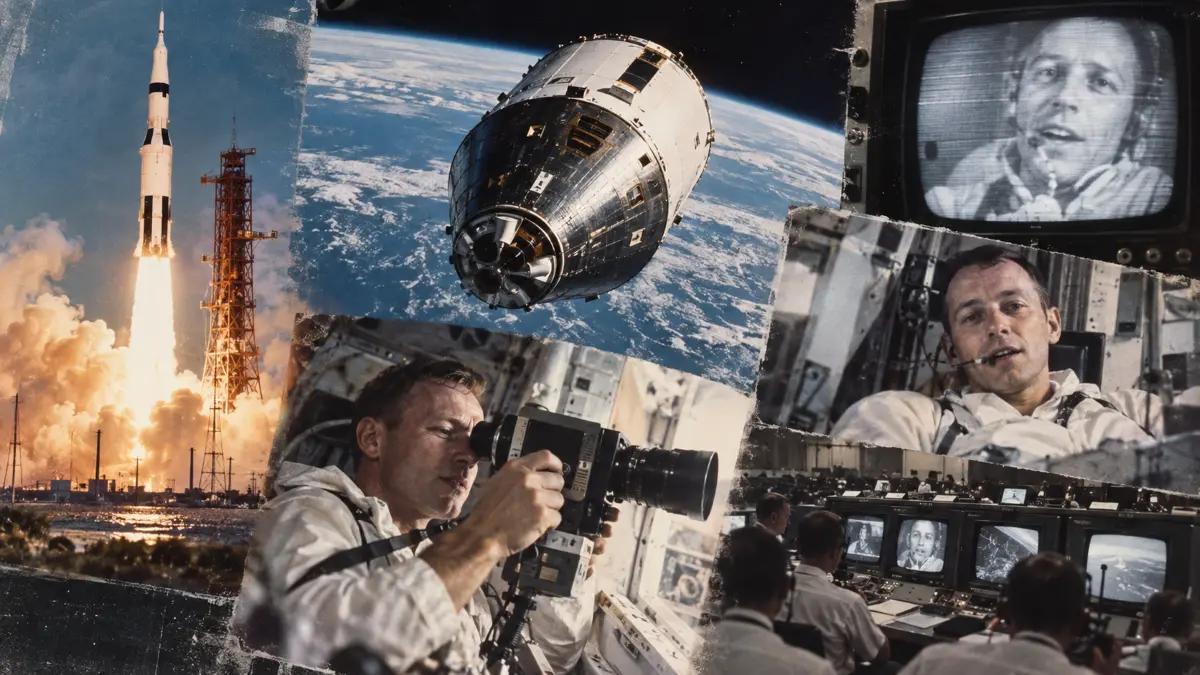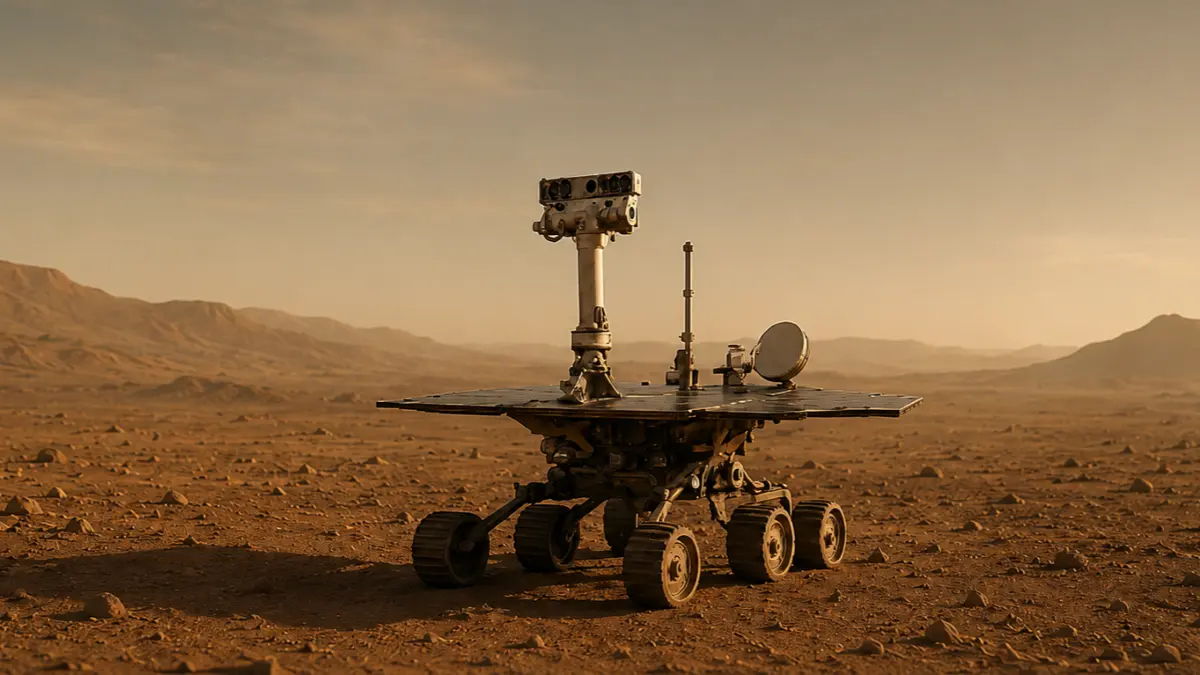

July 7, 2003, marked a defining moment in robotic space exploration when NASA Opportunity rover, also known as MER-B, was launched into space aboard a Delta II rocket. This event was more than just a spacecraft lift-off; it was a calculated step toward unraveling Mars’ geological secrets and testing the limits of autonomous robotic exploration.
The NASA Opportunity rover launch was a technical feat focused on addressing the challenge of conducting detailed surface analysis on Mars. Prior missions had struggled with limited mobility and short operational lifespans. Opportunity was designed to overcome these obstacles with enhanced mobility, robust instrumentation, and a mission plan that pushed the boundaries of endurance. The rover’s launch was the starting gun for a mission that would redefine how we explore other planets.
At the time, the launch mattered because it promised to deliver unprecedented data about Mars’ surface composition and past environmental conditions. Opportunity carried sophisticated scientific instruments capable of analyzing rocks, soil, and atmospheric conditions with precision. This capability was critical for testing hypotheses about water’s historical presence on Mars, a question central to understanding the planet’s potential for past life. The launch symbolized NASA’s commitment to deepening our understanding of Mars through direct, on-the-ground investigation.
What changed after Opportunity’s launch was the scope and scale of planetary exploration. The rover far exceeded its planned 90-day mission, operating for nearly 15 years and covering over 28 miles on Martian terrain. This longevity allowed it to gather a wealth of data, including compelling evidence of ancient water flows. Opportunity’s success demonstrated the viability of long-term robotic missions on hostile planetary surfaces, influencing the design and ambition of subsequent missions. It also showed how mobility and durability could unlock new scientific insights that stationary landers could not provide.
The NASA Opportunity rover launch still matters today because it set a benchmark for robotic exploration technology and mission planning. Its achievements have informed the engineering of current and future Mars rovers, emphasizing reliability, adaptability, and scientific versatility. The mission’s legacy extends into ongoing efforts to prepare for human exploration by mapping terrain and identifying resources. Opportunity’s data continues to be a reference point for scientists decoding Mars’ climate history and assessing its habitability.
Reflecting on the NASA Opportunity rover launch reveals a story of persistence and innovation. It was not just about sending a machine to Mars; it was about pushing technology to operate autonomously in an unforgiving environment for years. This event underscored the importance of resilience in space exploration and the value of robotic precursors in paving the way for future human missions. The launch remains a testament to how focused engineering and scientific goals can produce enduring knowledge from millions of miles away.