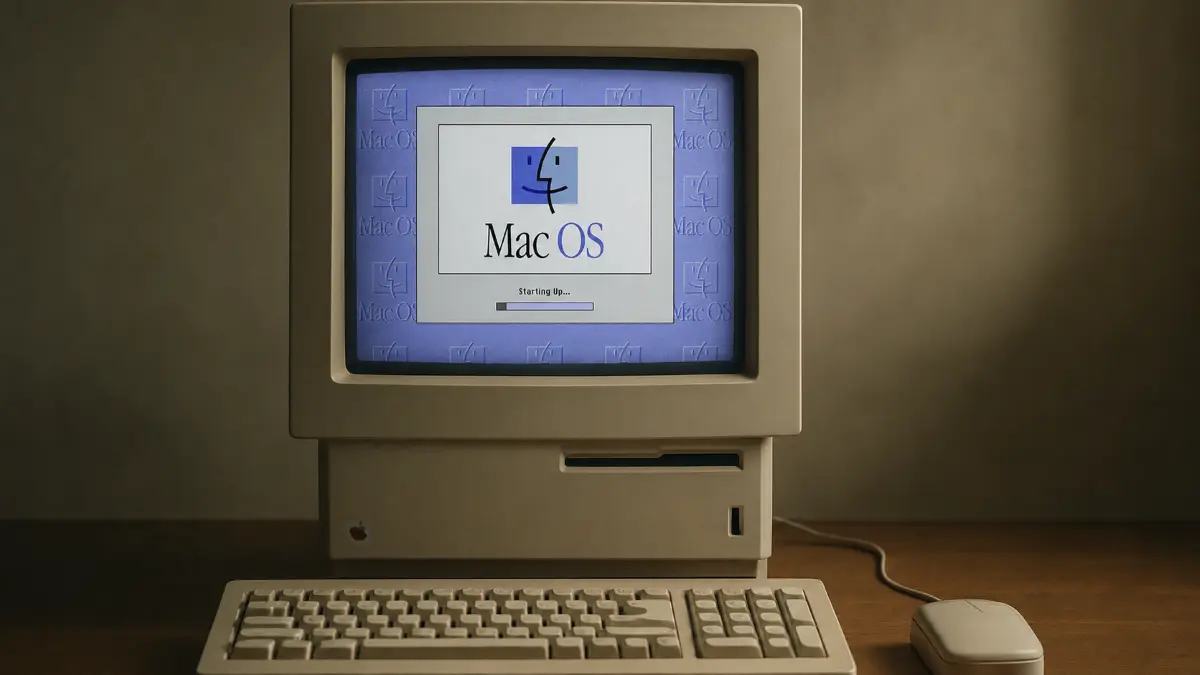

In the summer of 1997, Apple Computer unveiled Mac OS 8, a bold step forward for the classic Mac operating system. On July 22, the release brought a fresh platinum interface, a multi-threaded Finder, and live scrolling, signaling a shift in how users experienced their computers. This wasn’t just a facelift. It was a rethinking of interaction and performance that addressed long-standing frustrations with responsiveness and usability.
Before Mac OS 8, the Mac operating system was known for its simplicity and elegance but struggled under the weight of increasingly complex user demands. The Finder, the core file management system, was single-threaded, meaning it could only perform one task at a time. This led to slowdowns and freezes that frustrated users trying to multitask. The interface, while iconic, was starting to feel dated compared to emerging graphical environments elsewhere.
Mac OS 8 tackled these issues head-on. The introduction of a multi-threaded Finder allowed the system to handle multiple tasks simultaneously. This meant users could browse files, copy data, and launch applications without the system locking up. Live scrolling enhanced the fluidity of navigation through documents and folders, making the experience smoother and more intuitive. The new platinum interface wasn’t just about aesthetics; it was designed to improve clarity and reduce visual clutter, helping users focus on their work rather than the system itself.
At the time, these changes were more than cosmetic. They addressed the core problem of system responsiveness, a critical factor as personal computing was becoming more integral to both creative professionals and everyday users. By improving multitasking and interface fluidity, Mac OS 8 made the Mac a more viable platform for demanding workflows and set a new standard for operating system design.
The ripple effects of Mac OS 8’s innovations extended well beyond its immediate release. The multi-threaded approach to system processes became a foundational concept in operating system architecture, influencing how future versions of Mac OS and other platforms handled concurrency and user interaction. Live scrolling set expectations for smooth, real-time feedback in user interfaces, a principle that remains central in modern UI/UX design.
Even today, the legacy of Mac OS 8 resonates. Its emphasis on multitasking and interface clarity anticipated the demands of modern computing, where seamless interaction and responsiveness are baseline expectations. The platinum interface’s clean, functional design ethos can be seen as a precursor to the minimalist trends that dominate today’s software aesthetics. Mac OS 8 was a reminder that operating systems must evolve not just in capability but in how they connect users to their digital environments.
Looking back, the release of Mac OS 8 on July 22, 1997, was a quiet but impactful chapter in the story of personal computing. It showed that progress often comes through refining the user experience and solving practical problems rather than flashy new features alone. That focus on usability and system efficiency remains a guiding principle for technology development, underscoring why Mac OS 8 still matters in the history of digital innovation.