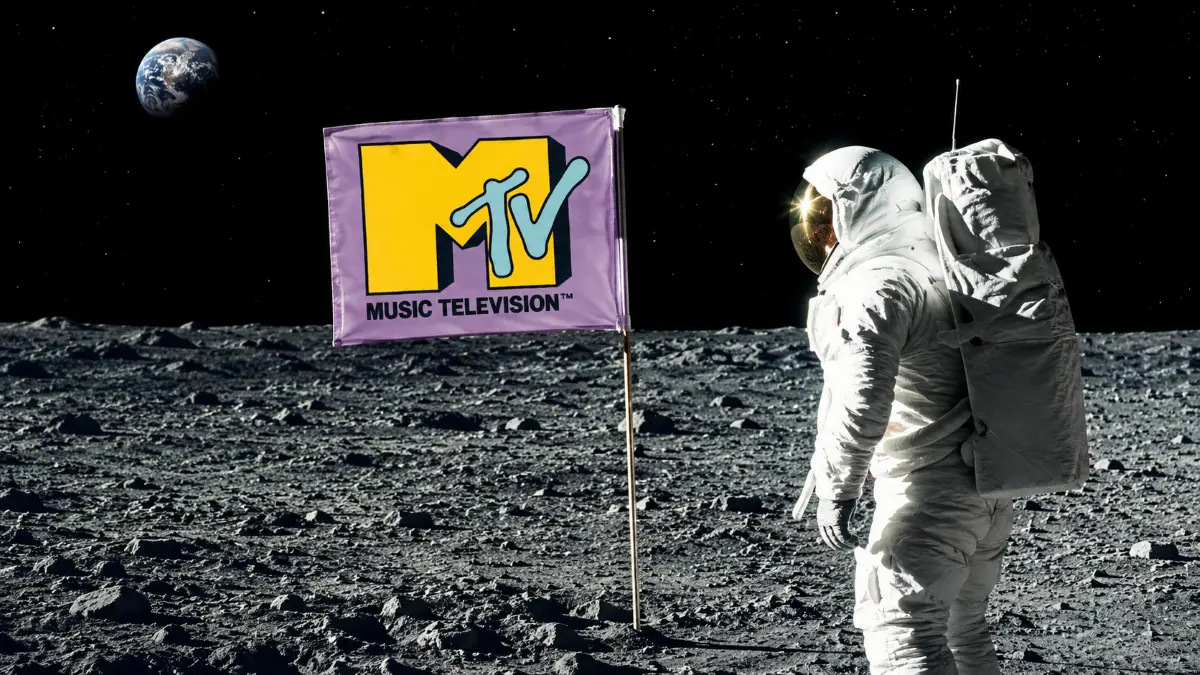

Imagine a world where music was heard but rarely seen. Then, on August 1, 1981, MTV launched, forever altering how audiences experienced music. The MTV launch 1981 was not just a new TV channel; it was a technological and cultural experiment that fused music with video in a way that had never been done before.
MTV, short for Music Television, debuted on cable TV with a simple yet powerful concept: music videos as a new form of entertainment. The first video aired was “Video Killed the Radio Star” by The Buggles, a fitting anthem for a channel that was about to reshape the music landscape. The second video, “You Better Run” by Pat Benatar, quickly followed, setting the tone for a channel that would become synonymous with the 1980s’ tech-driven cultural shift.
At the time, cable TV was still expanding, and MTV’s launch represented a bold use of this emerging technology. It wasn’t just about playing music; it was about creating a visual narrative that complemented and enhanced the songs. MTV’s format solved a core problem for the music industry: how to capture and retain the attention of a rapidly evolving audience in an increasingly visual world.
The immediate impact was profound. Artists and record labels suddenly had a new platform that demanded not just great sound but compelling visuals. Music videos became essential promotional tools, and the industry quickly adapted by investing in video production. This shift created a new creative economy around music videos, including directors, choreographers, and visual effects specialists, all leveraging evolving video technology.
MTV’s launch also marked a significant moment in the integration of technology and culture. It demonstrated how cable TV technology could be harnessed to create niche content that appealed to younger, tech-savvy audiences. This approach paved the way for countless specialized channels and streaming services that rely on targeted content delivery.
What changed because of MTV’s launch goes beyond just music videos. It redefined how music was marketed and consumed. The visual element became inseparable from the music itself, influencing fashion, attitudes, and youth culture. MTV also accelerated the adoption of cable TV, proving that specialized content could drive subscriptions and viewer loyalty.
Today, the legacy of MTV’s launch is still visible. Although the channel’s format has evolved, the core idea of combining audio and visual storytelling remains central to music consumption. Platforms like YouTube and TikTok owe a debt to MTV’s pioneering approach, as they continue to push the boundaries of how music and video interact in the digital age.
The MTV launch 1981 is a reminder that technology’s impact on culture often comes through unexpected channels. It wasn’t just about better TV or more music; it was about creating a new language for entertainment that leveraged the strengths of emerging technology. That language still shapes how we experience music today.
Looking back, MTV’s debut was more than a broadcast event; it was a signal of how technology could redefine entire industries by changing the rules of engagement. It’s a story worth revisiting as we consider how today’s tech innovations might similarly reshape culture in the years ahead.