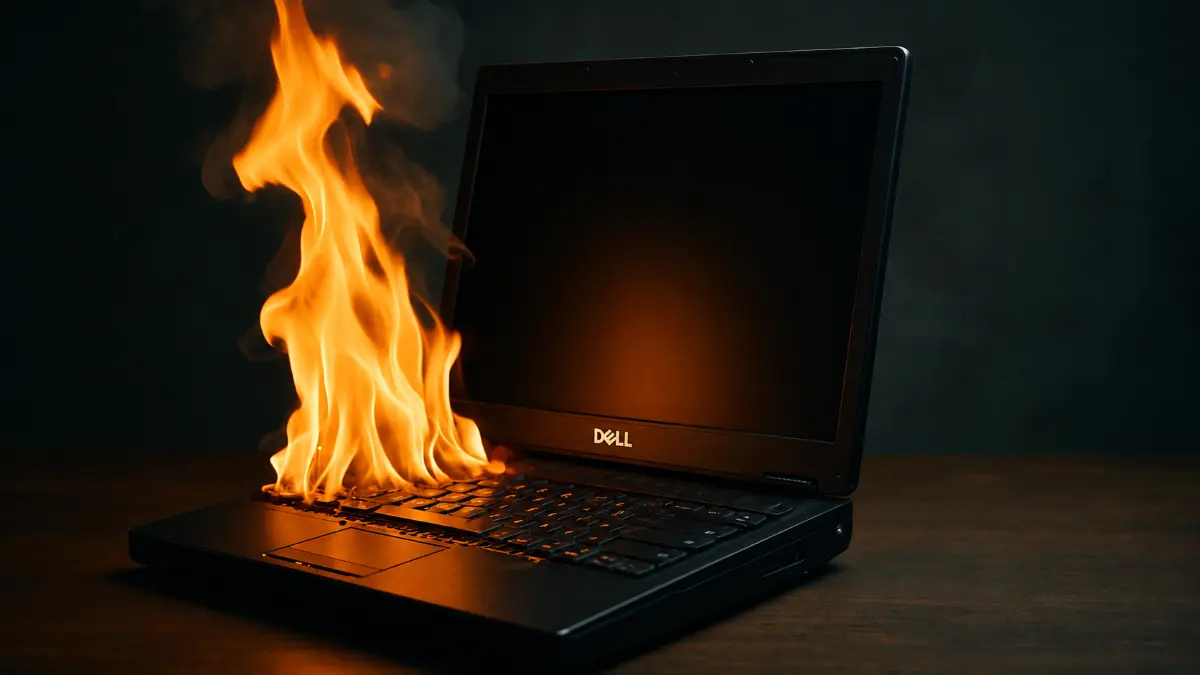

The tech world rarely forgets a crisis that burns through its core, literally. On August 14, 2006, Dell and Sony publicly admitted that batteries manufactured by Sony and used in certain Dell laptops had a dangerous flaw. These batteries could overheat, catch fire, or even explode. This admission followed several high-profile incidents where Dell laptops ignited, sparking widespread alarm.
The fallout was immediate and immense. Dell and Sony issued a recall of 4.1 million batteries, marking the largest safety recall in consumer electronics history. To put that in perspective, even Samsung’s Galaxy Note 7 recall in 2016, infamous for its own battery fires, only involved 2.5 million units. The scale of Dell’s recall was unprecedented and exposed a glaring vulnerability in the supply chain and quality control processes of a major PC manufacturer.
At the time, the recall was more than a logistical nightmare, it was a crisis of trust. Laptops had become indispensable tools for work and daily life, and consumers expected reliability and safety. The Dell battery recall shattered that expectation. It revealed how a single component flaw could ripple across millions of devices, threatening user safety and brand reputation. Dell’s standing took a serious hit, and for many, the brand never fully recovered in the eyes of consumers.
Technically, this event underscored the critical importance of battery manufacturing standards and rigorous testing. Lithium-ion batteries are notoriously volatile if not properly engineered and handled. The recall forced the entire industry to rethink battery safety protocols, pushing manufacturers to adopt more stringent quality assurance measures. It also accelerated the development of smarter battery management systems designed to detect and mitigate overheating risks before they escalate.
The recall highlighted the complexity of global supply chains. Dell relied on Sony’s batteries, and the flaw exposed how a single supplier’s defect could cascade into a multinational recall. This incident served as a wake-up call for companies to diversify suppliers and implement tighter oversight to avoid systemic risks.
Fast forward to today, the legacy of the Dell battery recall still resonates. It set a precedent for how companies handle product safety crises and recalls. The recall’s scale and impact shaped regulatory approaches to consumer electronics safety, influencing standards that protect users worldwide. It also informed how brands communicate during crises, emphasizing transparency and swift action.
Moreover, the event remains a case study in risk management and crisis communication within tech industries. It teaches companies that innovation cannot come at the expense of safety and that trust, once lost, is hard to regain. For consumers, it reinforced the need to demand higher safety standards and accountability from tech manufacturers.
In an era where portable devices are ubiquitous and batteries power everything from smartphones to electric vehicles, the lessons from the Dell battery recall are more relevant than ever. It reminds us that behind sleek designs and powerful performance lies a fragile chemistry that requires constant vigilance.
Looking back, the Dell battery recall was a harsh but necessary lesson for the tech industry. It exposed vulnerabilities, forced improvements, and reshaped how safety is prioritized in consumer electronics. The event still matters because it set the bar for accountability and safety standards that protect millions of users every day.
As we reflect on this chapter of tech history, it’s clear that the Dell battery recall was not just about faulty batteries. It was about the delicate balance between innovation, safety, and trust, a balance that continues to define the technology we rely on.