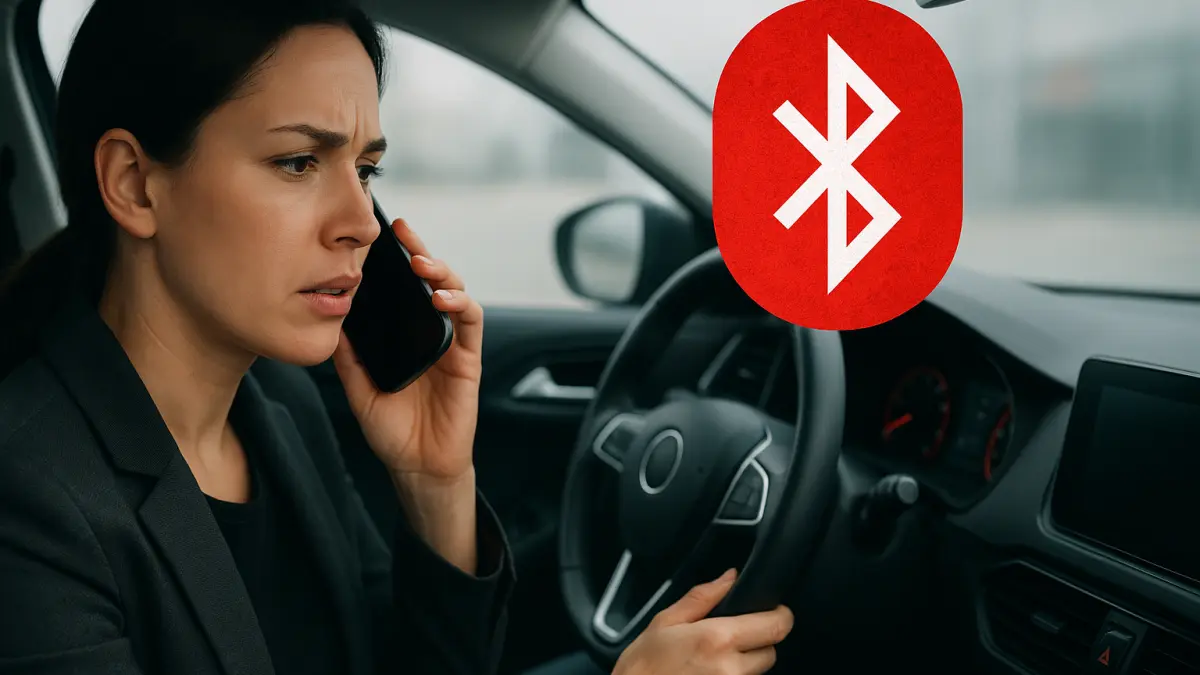

Bluetooth 5.0 is often promoted as a significant upgrade over previous Bluetooth versions, promising improved range, speed, and reliability. In automotive applications, this has led to the claim that Bluetooth 5.0 guarantees a perfect hands-free call experience without any audio glitches. However, this claim is a myth.
Claim: Bluetooth 5.0 in cars guarantees a perfect hands-free call experience without any audio glitches.
Quick answer: Bluetooth 5.0 improves connectivity but does not guarantee perfect hands-free call quality in cars due to various environmental and hardware factors.
Why Bluetooth 5.0 Doesn’t Guarantee Perfect Calls
Bluetooth 5.0 does bring technical improvements such as higher data transfer rates and better interference handling. These advances can reduce some connectivity issues and improve overall call stability in vehicles. However, the hands-free call experience depends on more than just the Bluetooth version.
Factors such as the quality of the car’s audio system, the microphone and speaker hardware, signal interference from other wireless devices, and environmental noise all play critical roles. Additionally, the smartphone’s Bluetooth implementation and software optimization can affect call quality. Even with Bluetooth 5.0, these factors can cause audio dropouts, echoes, or distortions during hands-free calls.
Environmental and Hardware Influences
Vehicles are challenging environments for wireless signals. Metallic surfaces, electronic noise from the vehicle’s systems, and physical obstructions can degrade Bluetooth performance. The car’s infotainment system and its integration with the phone also impact the call experience. Therefore, a newer Bluetooth version alone cannot overcome all these challenges.
Practical Takeaway for Drivers
While Bluetooth 5.0 improves connectivity and can enhance call stability, drivers should not expect a flawless hands-free experience solely based on the Bluetooth version. Regular software updates for both the vehicle and smartphone, maintaining good hardware condition, and minimizing wireless interference can help optimize call quality.
Understanding these limitations helps set realistic expectations and encourages drivers to use hands-free calling as a safety tool while recognizing that occasional audio glitches may still occur.