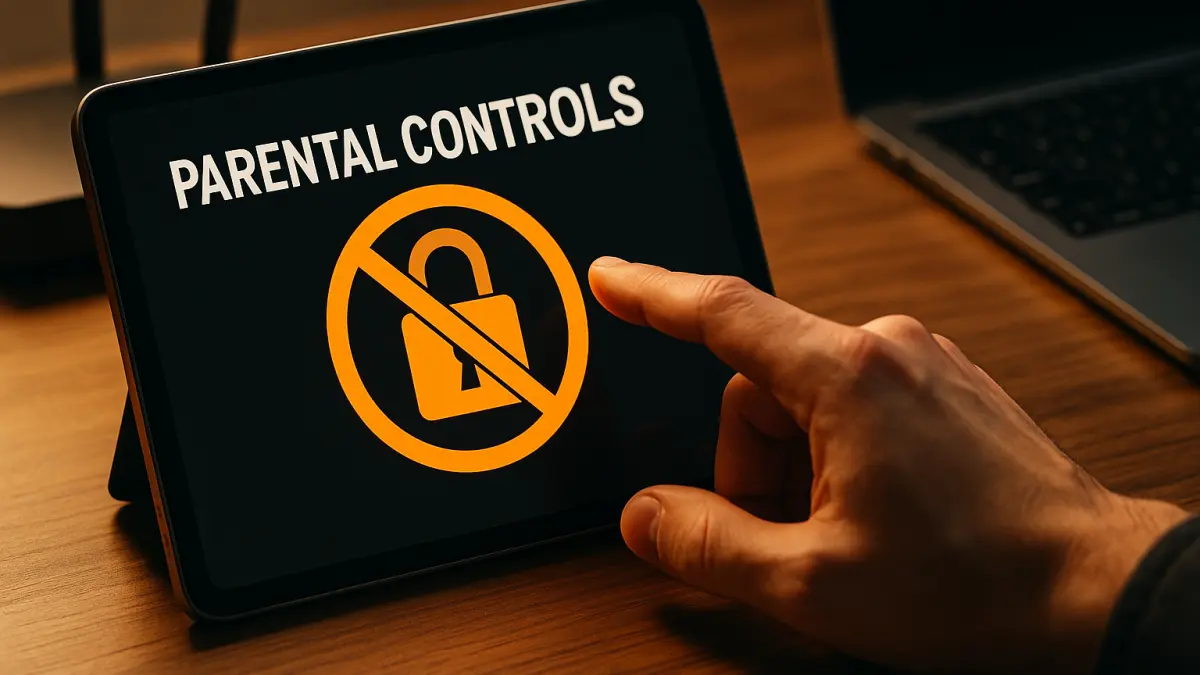

Parental controls are often implemented to create a safer online environment for children. These tools can effectively block inappropriate content, protecting young users from harmful material. However, the same features that secure their online experience can also inadvertently restrict access to valuable educational resources.
Claim: Parental controls can sometimes hinder access to educational content.
Quick answer: Parental controls can restrict access to educational content while providing necessary safety measures.
Many parental control systems allow parents to set filters based on content categories, which can include educational sites. While this is beneficial for preventing exposure to unsuitable material, it can also lead to scenarios where legitimate educational platforms are blocked. This creates a dilemma for parents who want to ensure their children are safe while also encouraging learning and exploration.
The context here is vital: the effectiveness of parental controls depends on how they are configured. Some systems allow for granular settings, enabling parents to whitelist specific educational sites while maintaining broader restrictions on other types of content. This flexibility can help mitigate the risk of hindering educational access.
Moreover, the rise of remote learning and online educational tools during recent years has highlighted the importance of accessible resources. Students often rely on various platforms for homework help, research, and skill development. An overly restrictive parental control setting may limit their ability to utilize these resources fully.
Finding the right balance in control settings is crucial. Parents should regularly review and adjust their settings based on their children’s needs and educational requirements. Open discussions with children about online safety and the importance of educational content can also foster a more informed approach to technology use.
Ultimately, while parental controls are a valuable tool for safeguarding children online, they require careful management to ensure that they do not unintentionally hinder access to educational opportunities. By taking a proactive approach, parents can enhance their children’s learning experiences without compromising safety.