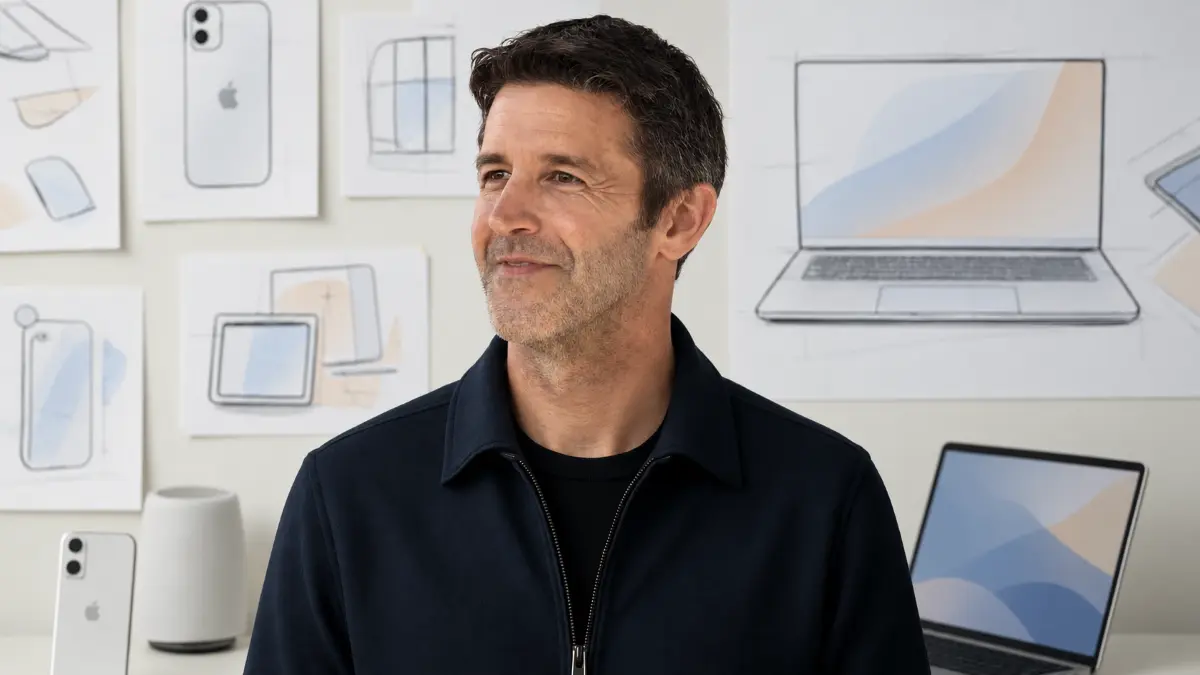

Apple’s design ethos continues to evolve under CEO John Ternus, who recently shared insights into what defines good product design at Apple. Ternus emphasized that improving user experience remains the cornerstone of Apple’s approach, guiding decisions from hardware engineering to software animations. This philosophy shapes how Apple crafts devices and interfaces that feel both intuitive and delightful.
TIME published an interview with Ternus last week, followed by a video version on Tuesday that included additional discussion about Apple’s design philosophy and how the company balances function, simplicity, and visual refinement. The extended conversation offers a closer look at how Ternus thinks about the relationship between hardware, software, and the small details that shape the user experience.
Ternus explained that Apple’s design process prioritizes practical functionality while also incorporating subtle, thoughtful details that elevate the overall experience. For example, animations are not merely decorative but serve to communicate system status and transitions, making interactions feel fluid and natural.
User Experience as the Core Design Driver
John Ternus highlighted that every design choice at Apple starts with the user’s needs and context. The goal is to remove friction and anticipate how people interact with technology in real life. This means focusing on ergonomics, accessibility, and seamless integration across Apple’s ecosystem. By centering design on real-world use cases, Apple aims to deliver products that feel effortless and empowering.
Practical Features Enhanced by Thoughtful Details
Beyond core functionality, Apple’s design team pays close attention to the small details that improve usability. Ternus pointed out that these include tactile feedback, button placement, and visual cues that guide users without overwhelming them. Such refinements help users accomplish tasks more efficiently while reducing cognitive load, which is critical for maintaining Apple’s reputation for intuitive design.
Animations as Functional Communication
A notable aspect of Apple’s design philosophy under Ternus is the purposeful use of animations. Rather than being purely aesthetic, animations serve to clarify transitions and system responses. For example, when switching apps or unlocking a device, animations provide visual continuity that reassures users and enhances their understanding of what is happening behind the scenes. This approach helps Apple maintain a polished and cohesive user experience across devices.
Continuity Across Hardware and Software
Ternus also stressed the importance of harmony between hardware and software design. Apple’s integrated approach ensures that physical device characteristics and software behaviors complement each other. This synergy is evident in features like haptic feedback on the iPhone or the fluidity of macOS window management, where hardware capabilities and software design work together to create a seamless experience.
Maintaining Apple’s Design Legacy with Innovation
While Ternus acknowledges Apple’s rich design heritage, he also emphasized the need to innovate and adapt to changing user expectations. The company continues to refine its design language and explore new technologies that enhance user interaction without compromising simplicity. This balance between tradition and innovation is key to sustaining Apple’s distinct identity in a competitive market.
What to Watch Next
As John Ternus leads Apple’s design vision, observers should watch how these principles manifest in upcoming products and software updates. The continued focus on user-centric design suggests future Apple devices will further blur the lines between technology and daily life, offering even more intuitive and engaging experiences. Developers and users alike can expect Apple to deepen its commitment to design that is both functional and delightful.