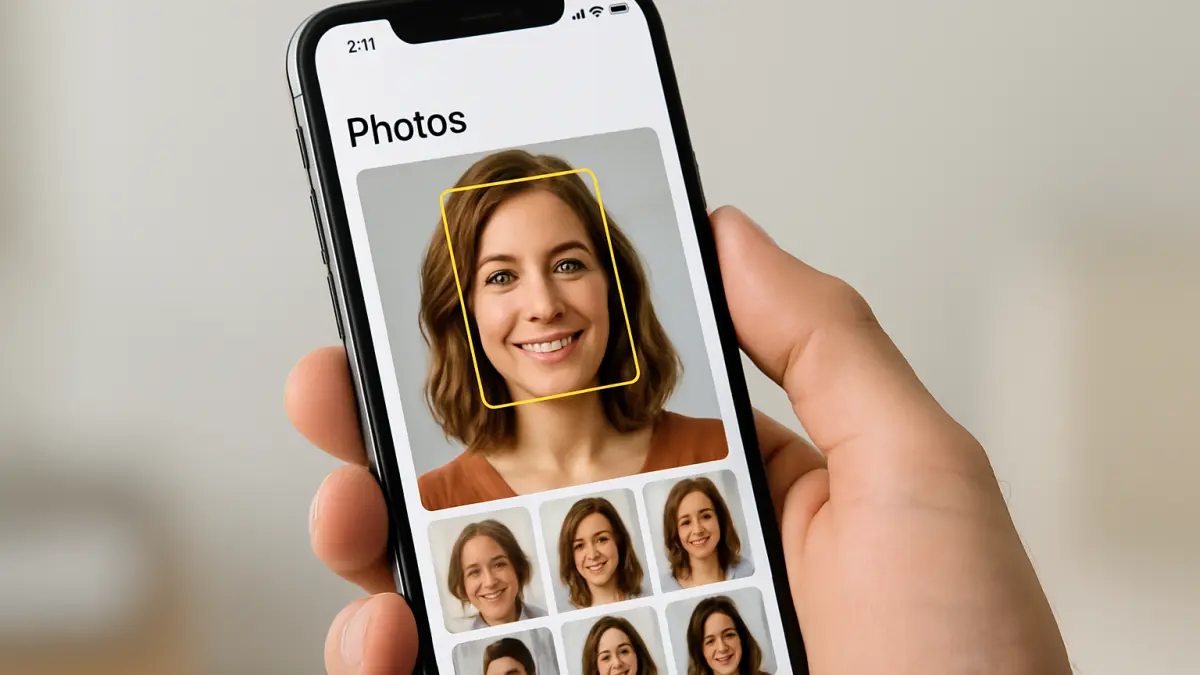

Apple’s facial recognition technology in the Photos app remains under legal scrutiny as a $32.5 billion class-action lawsuit has been partially dismissed but will continue in a reduced form. The lawsuit alleges privacy violations related to Apple’s use of biometric data, specifically the “faceprint” feature that identifies and organizes photos based on facial recognition.
The case, which initially targeted Apple’s handling of biometric data within its Photos app, has seen some claims dismissed by the court, narrowing the scope of the legal challenge. However, the core allegations regarding unauthorized use and storage of faceprints will still be examined. This development underscores the ongoing tension between innovative biometric features and user privacy protections within Apple’s ecosystem.
What the Apple Photos Faceprint Lawsuit Involves
The lawsuit centers on Apple’s Photos app, which uses advanced facial recognition to create “faceprints”, unique biometric templates derived from users’ photos. These faceprints enable the app to automatically group and label photos by individual faces, enhancing user convenience. Plaintiffs argue that Apple’s collection and processing of this biometric data may violate privacy laws, particularly if done without explicit, informed consent or adequate safeguards.
Apple has maintained that faceprint data is processed securely on-device, not uploaded to external servers, and that users have control over the feature. Despite these assurances, the lawsuit challenges whether Apple’s practices meet legal standards for biometric data protection, especially under evolving privacy regulations.
Legal Narrowing but Continued Privacy Concerns
The court’s partial dismissal trims some of the broader claims against Apple, focusing the case on specific alleged violations rather than a wide-ranging attack on the company’s biometric practices. This means that while some arguments were found insufficient to proceed, the essential privacy concerns about faceprint data remain valid for judicial review.
This narrowing does not diminish the significance of the case. Instead, it sharpens the legal debate around how biometric data like faceprints should be handled within consumer technology. The outcome could influence how Apple and other tech companies design and disclose facial recognition features moving forward.
Implications for Apple Users and Developers
For users, this lawsuit highlights the importance of transparency and control over biometric data. Apple’s ecosystem is known for emphasizing privacy, but the legal challenge suggests that even well-intentioned features must be rigorously scrutinized to ensure compliance with privacy laws and user expectations.
Developers working within Apple’s ecosystem may also face increased attention to how biometric data is accessed and managed. This could lead to stricter guidelines or new frameworks from Apple to ensure apps handle faceprint and other biometric information responsibly.
What Remains Unchanged in Apple’s Biometric Approach
Despite the lawsuit, Apple’s fundamental approach to biometric privacy remains intact. Faceprint data continues to be processed locally on devices rather than in the cloud, minimizing exposure risks. Users retain the ability to disable facial recognition features in Photos if they prefer not to participate.
The lawsuit does not imply that Apple’s biometric systems are inherently insecure but rather questions the legal sufficiency of consent and data handling practices. Apple’s privacy architecture, including on-device processing and encryption, remains a core defense against broader privacy violations.
Broader Context of Biometric Privacy in Apple’s Ecosystem
This legal challenge fits within a larger context of increasing scrutiny over biometric data use across tech platforms. Apple has positioned itself as a privacy-conscious company, integrating features like Face ID with secure enclave technology to protect user data. However, as biometric capabilities expand, so do regulatory and legal pressures to ensure these technologies do not infringe on personal privacy rights.
The lawsuit against Apple Photos’ faceprint feature is one of several ongoing cases and regulatory reviews examining how biometric data should be governed. Apple’s responses and any resulting legal precedents will likely shape the future of biometric privacy not only for its own products but across the industry.
What to Watch Next
The case will proceed with a narrower focus, and its developments will be closely watched by privacy advocates, developers, and Apple users alike. Key points to monitor include how the court interprets consent requirements for biometric data, the evidence Apple presents about its privacy safeguards, and any potential changes Apple might implement in response.
This lawsuit serves as a reminder that even established tech companies must continuously evaluate and adapt their biometric privacy practices to meet legal standards and user trust in a rapidly evolving digital landscape.