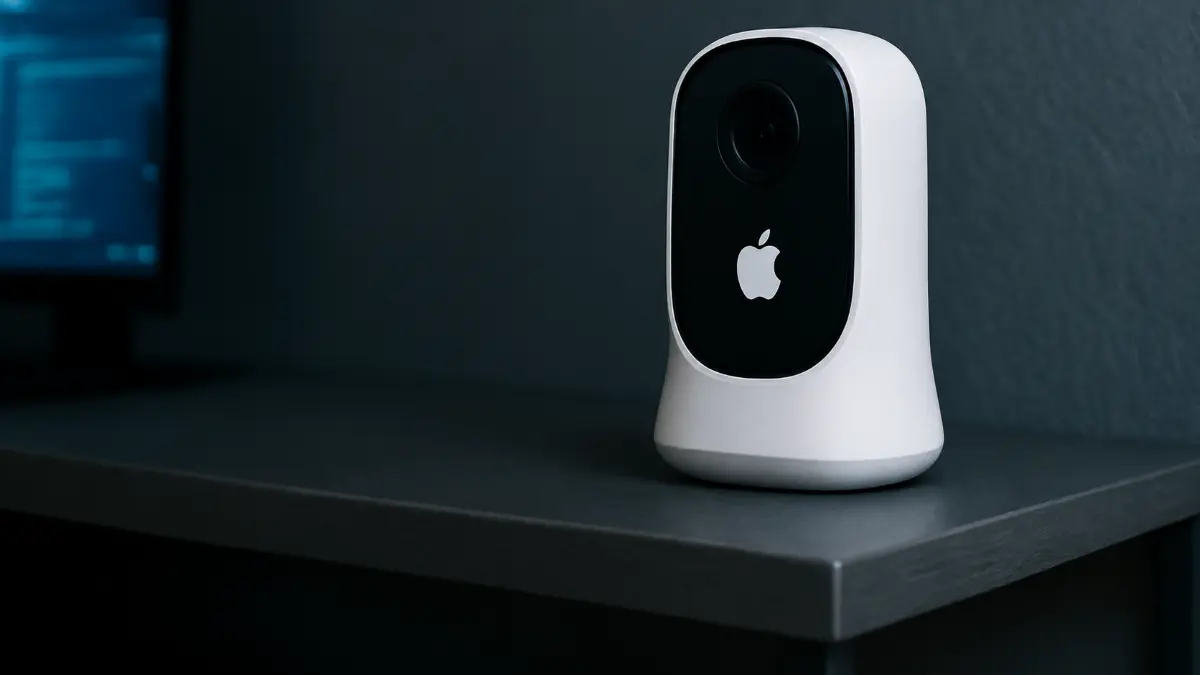

Apple is reportedly developing a new AI-powered home security camera and monitoring service slated for release in 2027. The company’s approach centers on privacy, using artificial intelligence to analyze home environments without capturing or storing actual video footage. This move signals Apple’s deeper push into smart home security, leveraging AI to offer advanced monitoring while maintaining its strong privacy stance.
For Apple users, this development could mean a new level of home security integrated seamlessly into the Apple ecosystem. Unlike traditional cameras that store video streams, Apple’s AI system is designed to detect unusual activity through on-device processing, minimizing data exposure. This aligns with Apple’s broader strategy of differentiating its products through privacy and security, a key selling point for its customer base and developers building on its platforms.
In the wider industry context, Apple’s entry into AI-driven home security challenges existing players like Ring and Google Nest, which rely heavily on cloud-based video storage and analysis. By focusing on local AI processing and privacy-first design, Apple could redefine consumer expectations for home security devices, especially among privacy-conscious users. This approach may also influence competitors to rethink their data handling practices amid growing regulatory scrutiny.
Strategically, Apple’s AI home security camera could strengthen its foothold in the smart home market, complementing its HomeKit ecosystem and services like AppleCare+. The integration of AI monitoring services may open new subscription revenue streams while reinforcing user loyalty through enhanced device interconnectivity and privacy assurances.
Looking ahead, the key points to watch include how Apple balances AI capabilities with privacy, the pricing and features of the new monitoring service, and how developers might leverage this technology within the Apple ecosystem. The success of this initiative could shape Apple’s role in the evolving smart home landscape and set new standards for privacy in AI-powered devices.