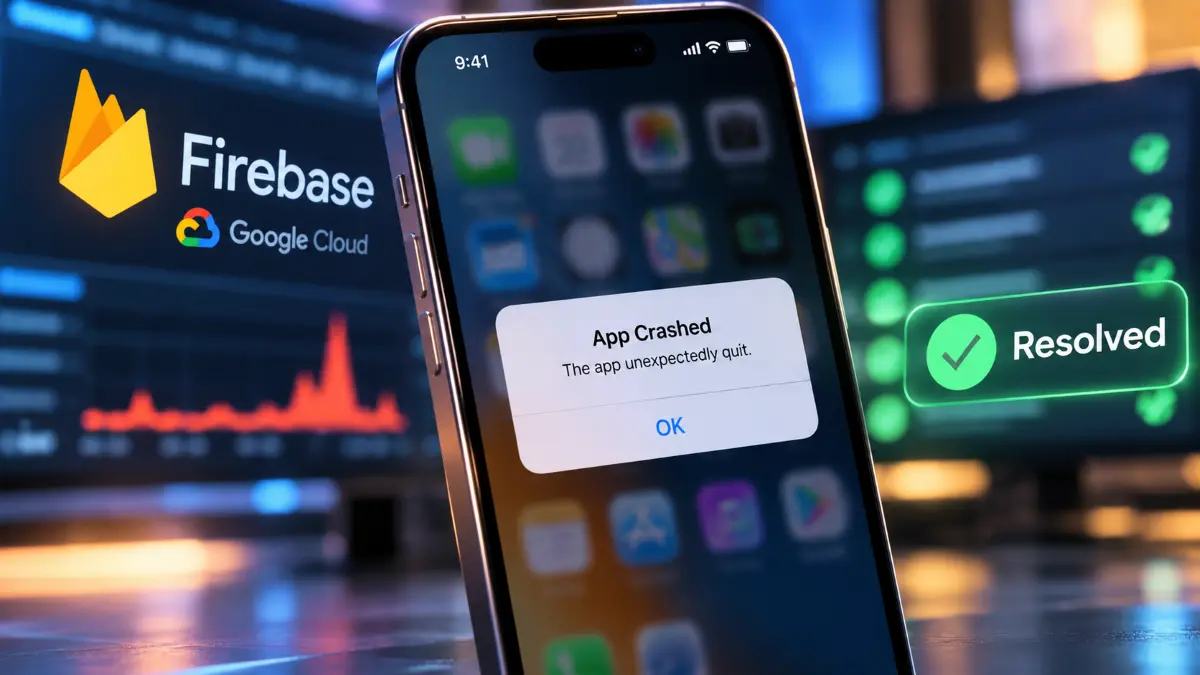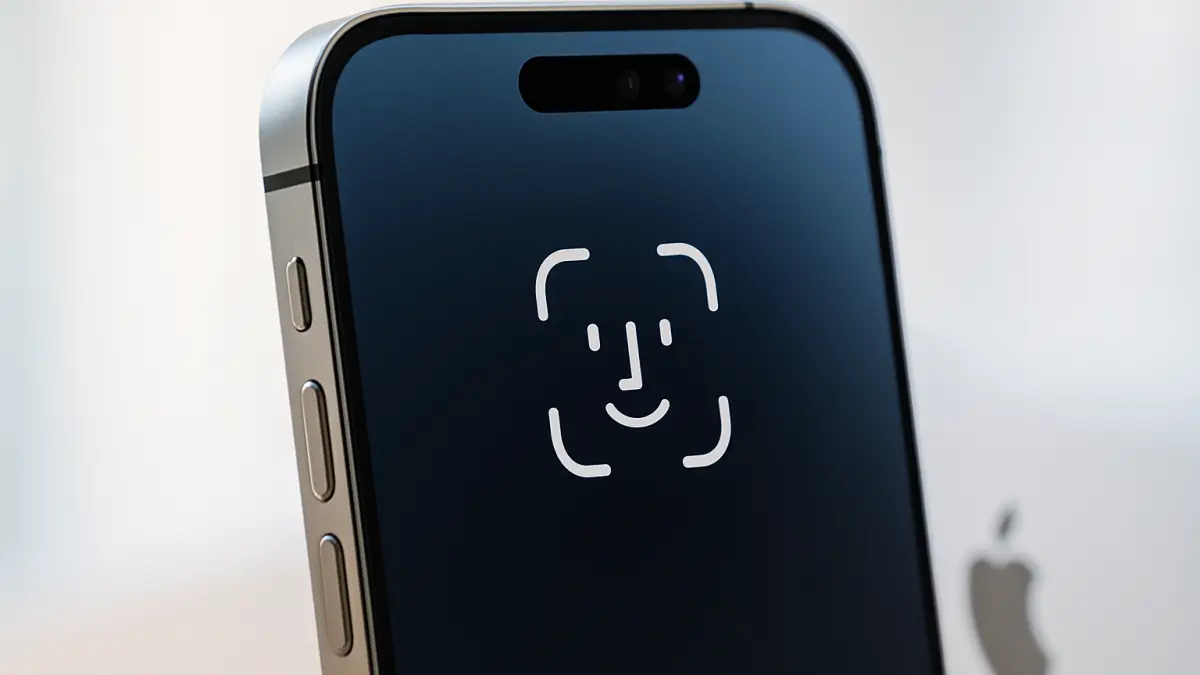

Apple is preparing an iOS 27 update to resolve a troubling Face ID bug affecting the iPhone 18 Pro and Pro Max models. Since the launch of these latest flagship devices, some users have reported unexpected device restarts triggered by Face ID authentication attempts. This issue has caused frustration among early adopters, prompting Apple to prioritize a software fix.
The bug appears to be linked specifically to the Face ID subsystem on the iPhone 18 Pro series, causing the device to reboot when users attempt to unlock their phones or authenticate apps using facial recognition. AppleInsider first reported the issue, noting that the company is actively working on an update to address the problem.
What the Face ID Bug Entails
The iPhone 18 Pro and Pro Max introduced several hardware and software enhancements to Face ID, including improved sensors and faster recognition algorithms. However, these improvements seem to have introduced a stability problem. When Face ID attempts to authenticate a user, some devices unexpectedly reboot instead of completing the process. This interrupts user workflows and can lead to data loss if the restart occurs during critical tasks.
The bug is not universal but has affected a significant enough portion of users to warrant a swift response from Apple. It is unclear whether the issue stems from a hardware-software interaction or a purely software-related glitch in the Face ID authentication framework.
How Apple’s iOS Update Will Address the Issue
Apple’s upcoming iOS 27 update aims to fix this reboot bug by refining the Face ID authentication process. While Apple has not disclosed the exact technical details of the fix, it likely involves patching the Face ID system software to handle edge cases that currently cause the device to crash.
This update will be delivered through the standard iOS update mechanism, ensuring that all affected users can install the fix easily. Apple’s track record with Face ID updates suggests that the fix will be seamless and require no user intervention beyond installing the update.
Why This Matters for Users and Developers
For users, the bug has been a source of inconvenience and concern, as Face ID is a primary method of device security and authentication on modern iPhones. Unexpected restarts undermine user confidence in the reliability of the device and its security features.
Developers who rely on Face ID for app authentication or secure transactions may also be impacted indirectly. If users experience frequent reboots, it can disrupt app usage and lead to negative reviews or reduced trust in apps that integrate Face ID.
The fix will restore normal Face ID functionality, ensuring that users can rely on facial recognition without fear of device instability. It also reassures developers that the underlying biometric authentication framework remains robust and dependable.
What Remains Unchanged
The update addresses the reboot bug but does not introduce new Face ID features or hardware changes. Users should not expect enhancements beyond stability improvements. Additionally, this fix does not affect other iPhone models or Face ID implementations on devices like the iPhone 18 non-Pro models or iPads.
Apple’s commitment to privacy and security with Face ID remains intact. The bug fix does not alter the fundamental security architecture of Face ID, which uses secure enclave hardware to protect biometric data.
Strategic Implications for Apple’s Ecosystem
This incident highlights the challenges Apple faces in balancing cutting-edge hardware innovation with software stability. The iPhone 18 Pro’s advanced Face ID system pushes the boundaries of biometric technology, but even minor glitches can have outsized impacts given the feature’s central role.
Apple’s quick response with an iOS update underscores the company’s approach to maintaining ecosystem integrity through software maintenance. It also reflects the importance Apple places on Face ID as a cornerstone of device security and user experience.
What to Watch Next
Users should monitor Apple’s official iOS update announcements for the rollout timeline of the Face ID bug fix. Early installation will be crucial for those experiencing the reboot issue.
Developers should test their apps on the updated iOS 27 once available to ensure Face ID integrations function smoothly without triggering device instability.
Looking forward, Apple’s ability to refine Face ID software in response to real-world issues will be key to sustaining user trust as biometric authentication becomes increasingly central to the Apple ecosystem.