
When it comes to securing online accounts, many people wonder if enabling two-factor authentication (2FA) is truly necessary if they already use strong, unique passwords for every service. This question reflects a common uncertainty about the best ways to protect personal data in an increasingly digital world.
Claim: Enabling two-factor authentication (2FA) on all accounts isn't necessary if you use a strong, unique password for each one.
Quick answer: The claim is a myth because 2FA provides an important security layer beyond strong passwords.
How Two-Factor Authentication Enhances Account Security
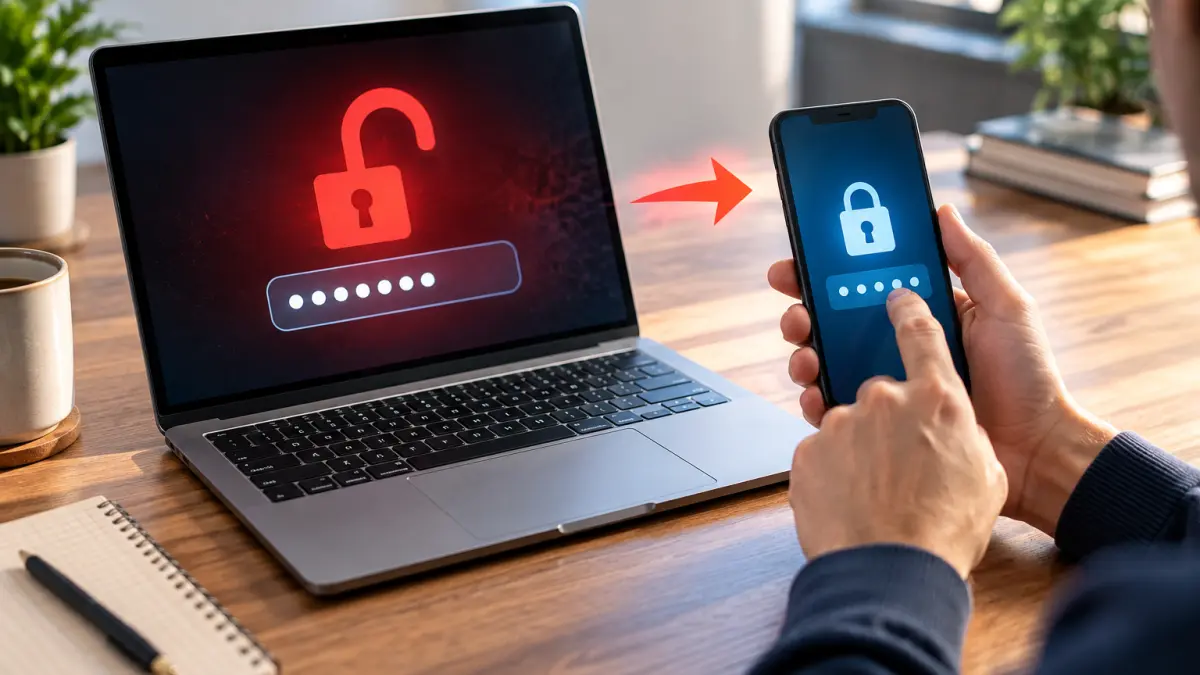
Two-factor authentication adds a second layer of security by requiring users to provide two types of verification before accessing an account. Typically, this means entering a password (something you know) and then confirming your identity through a second factor such as a code sent to your phone, an authentication app, or a hardware token (something you have).
While strong, unique passwords are fundamental to good security practices, they are not foolproof. Passwords can be compromised through phishing attacks, data breaches, or malware. In such cases, 2FA acts as a critical barrier that prevents unauthorized access even if a password is stolen.
The Limitations of Relying Solely on Passwords
Using long, complex passwords that are unique to each account significantly reduces the risk of credential stuffing and brute force attacks. However, password leaks are common. When a service experiences a breach, user credentials can be exposed and sold on the dark web. Attackers often attempt to use these credentials to access other accounts, banking on reused or weak passwords.
Even with unique passwords, phishing remains a major threat. Sophisticated phishing scams can trick users into revealing their passwords. Without 2FA, a stolen password can give attackers full control over an account.
Practical Takeaways for Everyday Users
Enabling two-factor authentication on all accounts that support it is widely recommended as a best practice. It offers an essential security boost by requiring a second verification step, making unauthorized access much more difficult.
Users should also continue using strong, unique passwords combined with a reputable password manager to keep track of them. Together, these measures offer a more robust defense against the variety of threats facing online accounts today.
In summary, while strong passwords are necessary, two-factor authentication provides an additional, important layer of security. It is a simple yet effective way to better protect personal data and online identities in an ever-evolving threat landscape.