
The claim that streaming services can buffer more frequently than physical media is true. Streaming relies heavily on internet connections, which can introduce various issues leading to buffering. In contrast, physical media such as DVDs or Blu-rays deliver content directly from the disc to the player, eliminating the possibility of interruptions caused by network instability.
Claim: Streaming services can buffer more frequently than physical media.
Quick answer: The claim is true; streaming services can buffer more frequently than physical media due to internet connection issues.
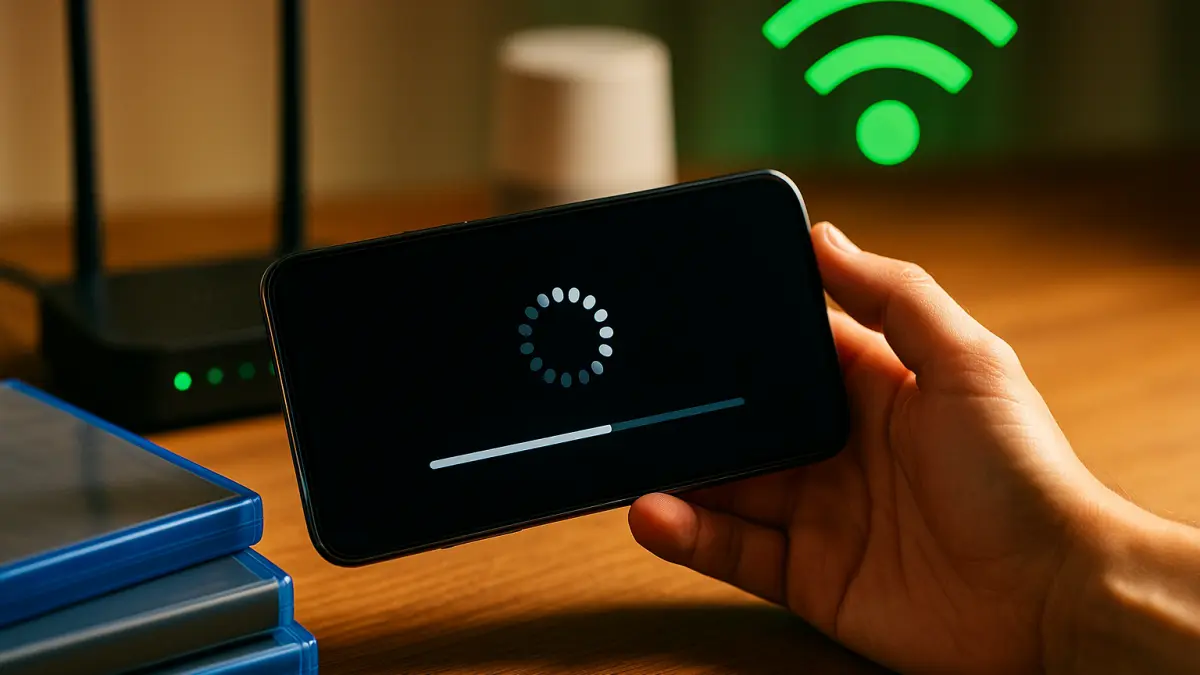
When you stream video content, you depend on the speed and reliability of your internet connection. Factors such as bandwidth limitations, network congestion, and even the distance from your router can impact streaming quality. If the data cannot be delivered quickly enough to keep up with playback, buffering occurs. This can be frustrating for viewers, especially during critical moments in a show or movie.
Physical media, however, does not face these challenges. Once the disc is inserted into the player, the entire video data is read directly from the disc. This means that as long as the disc is in good condition, playback will be smooth without interruptions. This reliability makes physical media a preferred choice for many who want a seamless viewing experience.
Understanding the limitations of streaming services is essential for consumers. Knowing that buffering can happen more frequently with streaming can help you make informed decisions about how and where to watch your favorite content. If buffering is a concern, you might consider investing in a faster internet connection or opting for physical media for critical viewings.
In conclusion, the claim holds true: streaming services are prone to buffering more often than physical media due to their reliance on internet connectivity. As viewers, being aware of these differences can help us choose the best format for our viewing preferences.