
With USB-C becoming the standard charging connector for many devices, a common assumption is that using any USB-C charger will automatically deliver the fastest charging speed. But is this really the case? The reality behind USB-C charging speeds involves several technical factors that influence how quickly your device charges.
Claim: Using any USB-C charger will always deliver the fastest charging speed regardless of your device.
Quick answer: Not all USB-C chargers provide the fastest charging speed due to differences in power output and device compatibility, making the claim a myth.
Understanding USB-C Charging Standards
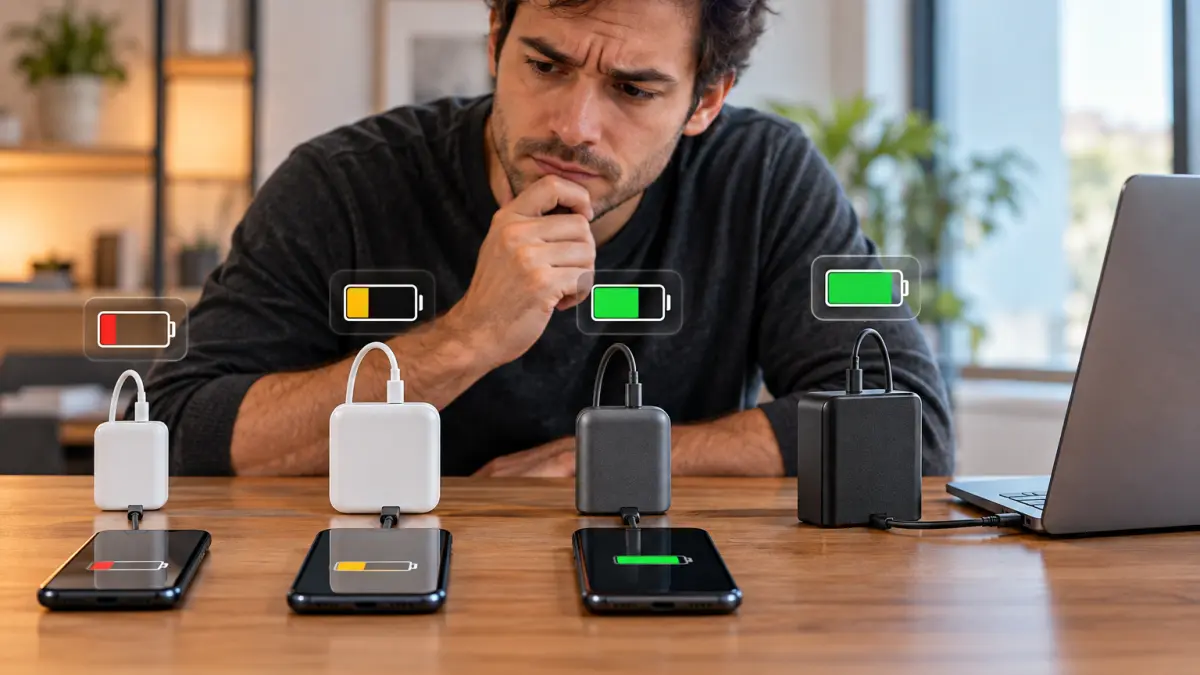
USB-C refers primarily to the connector type and cable design, but fast charging speeds depend on the power output capabilities and charging protocols supported by both the charger and the device. A USB-C charger can range from a modest 5 watts to over 100 watts of power delivery. Devices negotiate with chargers using protocols like USB Power Delivery (USB-PD), Qualcomm Quick Charge, or proprietary fast charging standards to determine the optimal charging rate.
If a charger does not support the specific fast charging protocol your device requires, or if its power output is limited, your device will default to slower charging speeds to protect battery health and device safety.
Power Output and Compatibility Matter
Simply having a USB-C connector does not guarantee high wattage or compatibility with your device’s fast charging requirements. For example, a low-power USB-C charger designed for headphones or smaller gadgets may not deliver enough current to fast charge a smartphone or laptop.
Conversely, using a high-wattage charger that supports your device’s charging standard can enable faster charging. However, if the device’s battery management system restricts input to protect battery longevity, charging speed may still be capped.
Why This Matters for Users
Understanding charger compatibility is important to avoid slow charging times and potential device damage. Using a charger that does not meet your device’s specifications can lead to longer charging periods or inefficient power delivery. On the other hand, investing in a charger certified for your device’s fast charging protocol ensures optimal performance and safety.
Additionally, counterfeit or uncertified chargers may not deliver consistent power, risking battery health or device malfunction.
Practical Takeaway
When selecting a USB-C charger, check the power output rating and confirm that it supports your device’s fast charging protocol. Refer to your device manufacturer’s recommendations to choose a compatible charger. This approach will help ensure you get the fastest and safest charging experience possible.