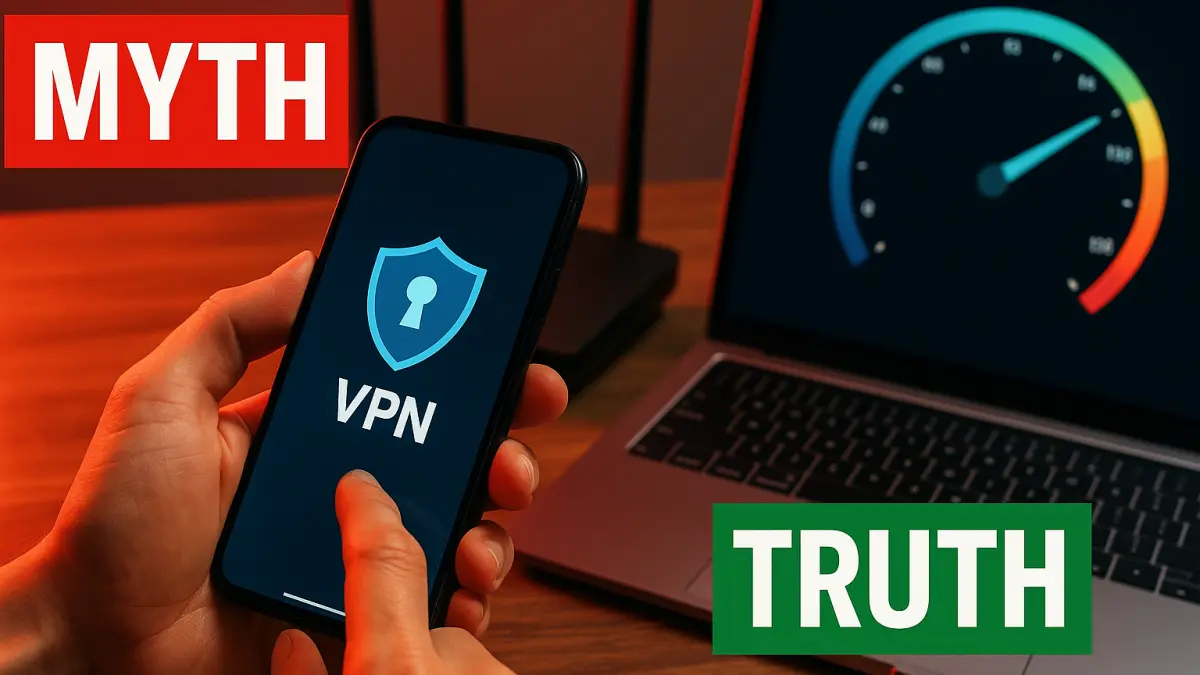

The claim that using a VPN significantly slows down your internet speeds is a myth. While it’s true that a VPN can introduce some latency due to the encryption process and the additional routing of your connection through a VPN server, this does not always result in a noticeable slowdown.
Claim: Using a VPN slows down your internet speeds significantly.
Quick answer: The claim that using a VPN slows down your internet speeds is a myth.
In fact, there are scenarios where a VPN can actually enhance your internet speeds. For example, if you are on a congested network, a VPN can help bypass throttling imposed by your Internet Service Provider (ISP). ISPs may intentionally slow down your connection when they detect high usage, particularly during peak hours. By using a VPN, you can mask your traffic, which may allow you to experience better speeds.
Moreover, the location of the VPN server matters. If you connect to a server that is closer to the destination you are accessing, it can result in faster speeds compared to your regular connection. Additionally, some VPNs use advanced protocols and optimized servers specifically designed to improve performance.
Understanding the nuances of how VPNs work can help users make informed decisions about when and how to use them effectively. For those who primarily use the internet for streaming, gaming, or downloading large files, experimenting with different VPN servers can lead to better performance.
In conclusion, while a VPN may slow down your internet speeds in some cases, it can also improve them in others. It’s essential for users to consider their specific needs and the context in which they are using a VPN to determine the best approach for their internet experience.