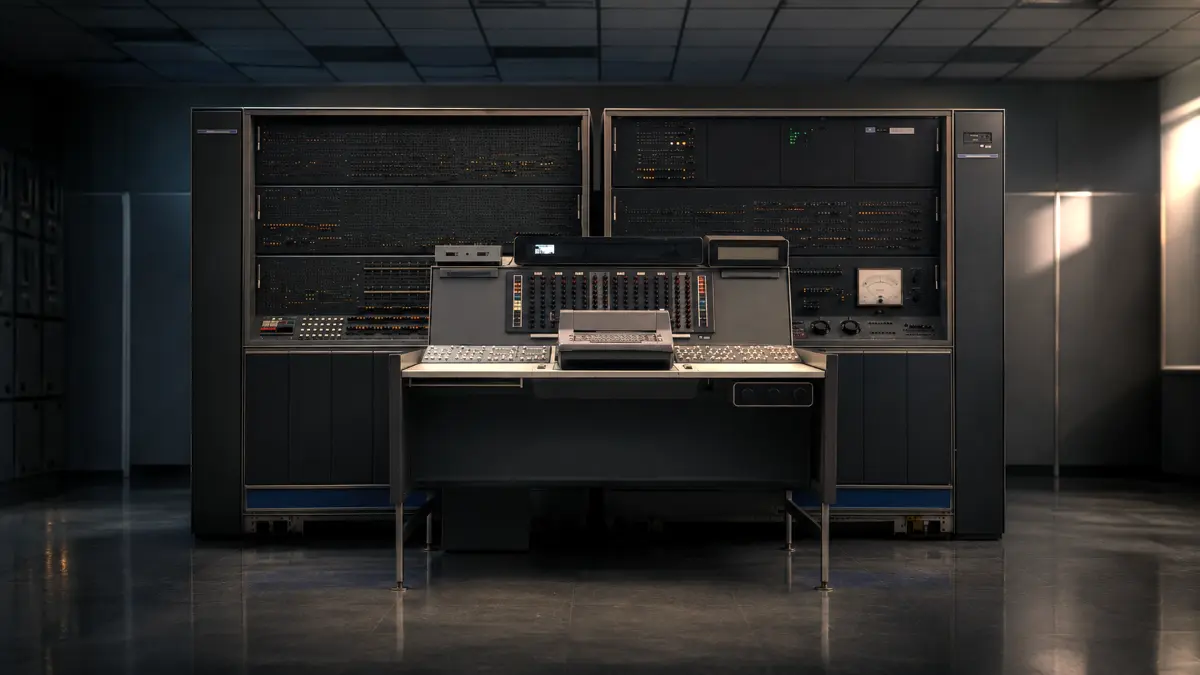

The quiet end of a giant. On September 5, 1980, the last IBM 7030 “Stretch” mainframe in active use was decommissioned at Brigham Young University. This marked the conclusion of almost 20 years of operational life for a machine that rewrote the rules of computing in the early 1960s.
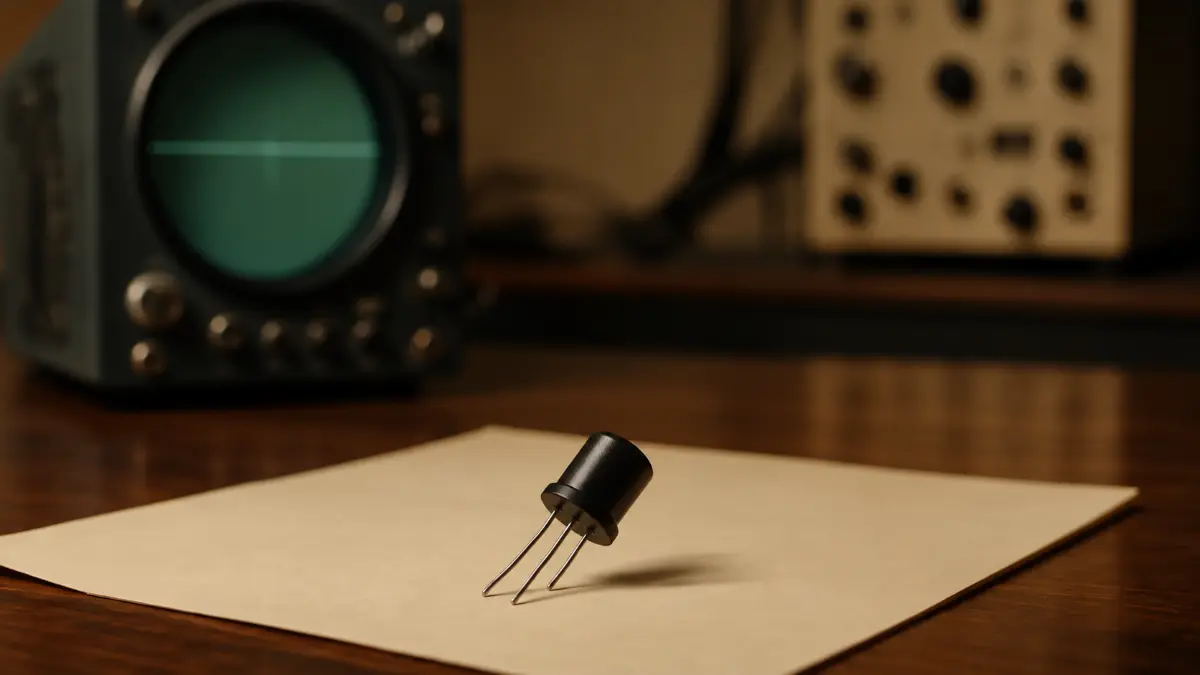
The IBM 7030 Stretch was no ordinary mainframe. Delivered initially to Los Alamos National Laboratory in 1961, it was the first IBM computer to replace vacuum tubes with transistors, a leap that dramatically improved reliability, speed, and energy efficiency. It was also the first computer designed with the assistance of an earlier computer, a recursive design process that foreshadowed modern software-aided engineering. For three years, from 1961 to 1964, it held the title of the world’s fastest computer.
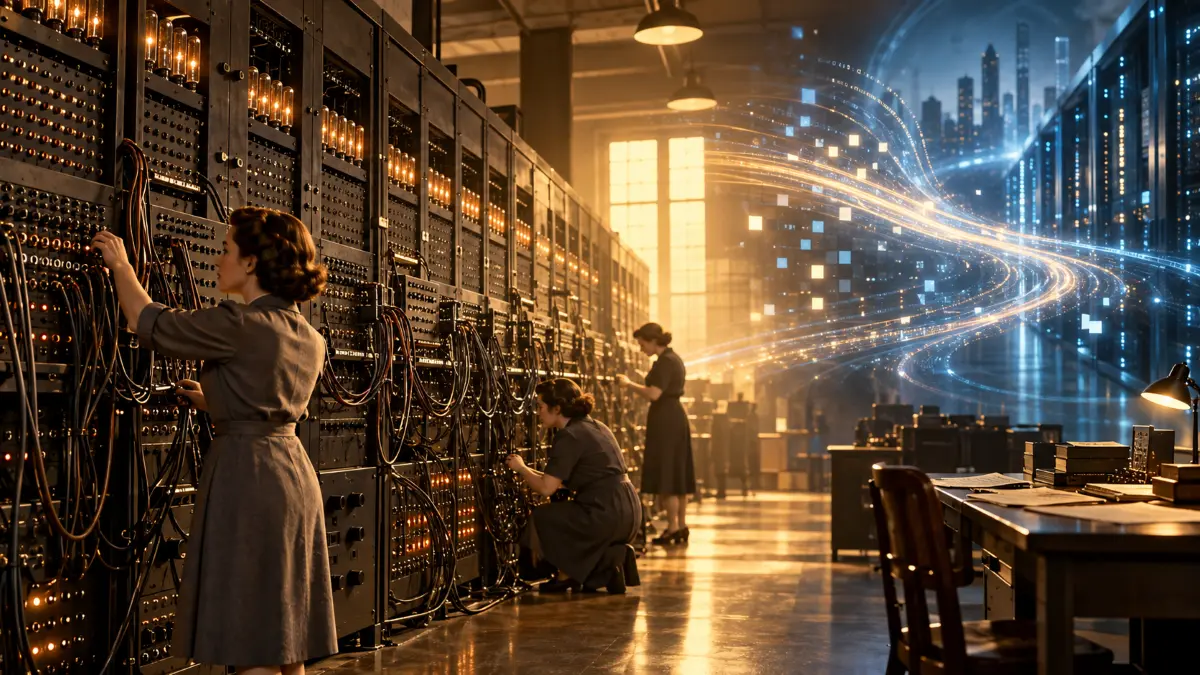
At the time, the Stretch was a bold experiment in pushing computational boundaries. Its transistor-based architecture solved the persistent problem of vacuum tube fragility and heat generation, which had limited the scalability and uptime of earlier machines. The design process itself was a technical milestone, using a computer to design a computer introduced a new paradigm in engineering precision and complexity management.
The Stretch’s speed and power enabled breakthroughs in scientific research, particularly in nuclear physics and cryptography at Los Alamos. It demonstrated that transistor technology could handle massive calculations at unprecedented speeds, setting a new standard for what computing could achieve. The machine’s influence rippled through the industry, accelerating the transition from vacuum tubes to solid-state electronics and inspiring subsequent generations of mainframes.
When the last Stretch was retired in 1980, it was more than just the end of a machine’s life cycle. It was the closing chapter of an era that bridged the gap between the earliest experimental computers and the modern digital age. The fact that the Stretch remained in use for nearly two decades speaks volumes about its engineering robustness and the foresight of its design.
Today, the IBM 7030 Stretch still matters because it laid foundational principles for computer architecture and design automation that persist in modern computing. The move to transistors was a critical step toward miniaturization and the high-speed processors we rely on now. The concept of using computational tools to design hardware has evolved into sophisticated CAD systems and AI-driven design frameworks that dominate chip manufacturing today.
Reflecting on the Stretch’s legacy reminds us that innovation often comes from rethinking the tools we use to innovate themselves. The IBM 7030 was not just a machine; it was a proof of concept for the future of computing. Its decommissioning in 1980 closed a chapter but also highlighted the enduring impact of pioneering engineering decisions that continue to shape the technology landscape.