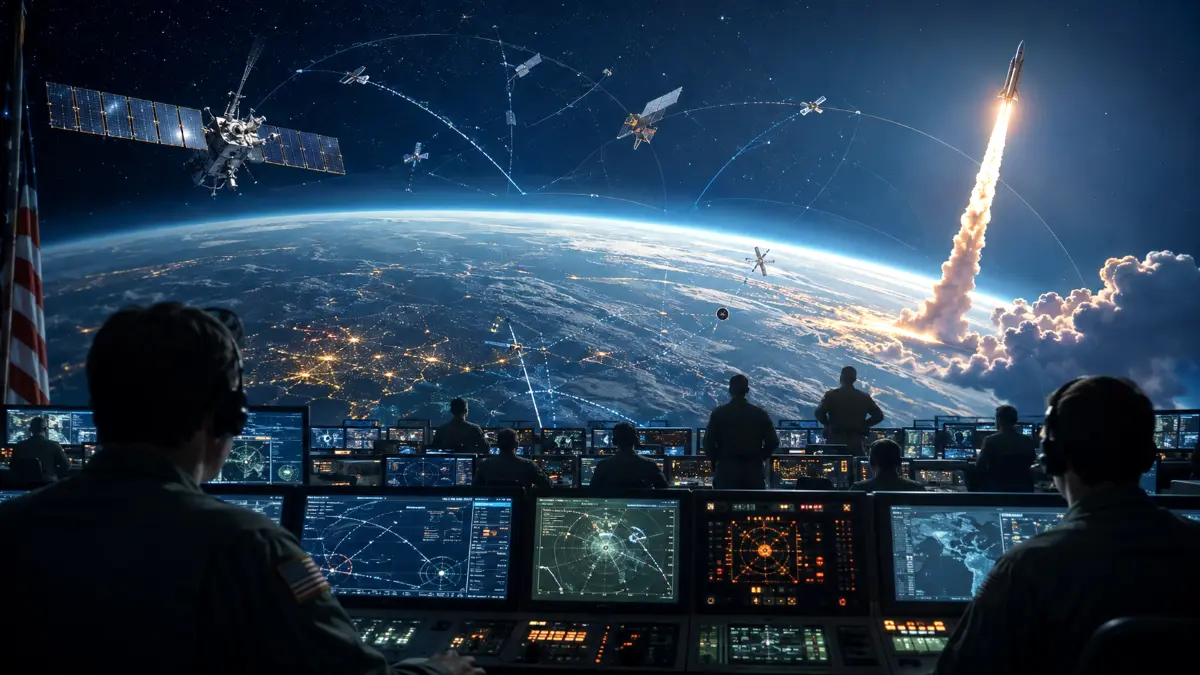

Space is no longer just the domain of scientists and explorers. It’s a critical frontier for defense, technology, and strategic operations. On September 1, 1982, the United States Air Force Space Command was founded, marking a decisive step in recognizing space as an operational theater. This event redefined how military power would be projected beyond Earth’s atmosphere and laid the groundwork for the complex space infrastructure we rely on today.
The creation of the U.S. Air Force Space Command was not just a bureaucratic reshuffle. It was a response to the growing importance of space-based assets in national security. Satellites for communication, navigation, reconnaissance, and missile warning were becoming indispensable. The command’s establishment centralized the management and development of these capabilities, addressing the challenge of coordinating increasingly sophisticated space operations.
At the time, the Air Force Space Command was tasked with overseeing the deployment and protection of U.S. military satellites. This was critical because space systems were vulnerable to emerging threats from adversaries who recognized the strategic advantage of disabling or intercepting satellite functions. By consolidating space operations under one command, the U.S. military could better safeguard these assets and ensure continuous operational readiness.
The command also accelerated the development of space technologies. Its focus on innovation helped push advancements in satellite design, launch systems, and space situational awareness tools. These technologies improved the reliability and resilience of space infrastructure, which in turn enhanced the accuracy of GPS, the security of communications, and the effectiveness of intelligence gathering.
What changed because of this was the way space was integrated into military strategy. Space Command’s existence institutionalized the idea that space was a contested domain requiring dedicated resources and expertise. It set a precedent for future military space organizations and influenced the evolution of space policy and defense doctrine. The command’s model demonstrated the necessity of specialized units to manage the complexities of space operations, from orbital mechanics to cybersecurity.
Today, the legacy of the U.S. Air Force Space Command remains deeply relevant. Its foundational role paved the way for the establishment of the U.S. Space Force and the broader recognition of space as a critical domain alongside land, sea, air, and cyber. The command’s early focus on protecting space assets highlights ongoing challenges in space security, including satellite defense and debris management. As space technologies continue to evolve, the principles established in 1982 guide how militaries approach space as a strategic environment.
Reflecting on this event, the founding of the U.S. Air Force Space Command was more than a historical footnote. It was a strategic move that anticipated the future of warfare and technology. By institutionalizing space operations, it ensured that the United States would maintain a competitive edge in an arena that grows more complex and contested every year. The command’s creation was a clear signal that space was no longer just a scientific frontier but a vital component of national defense and technological innovation.