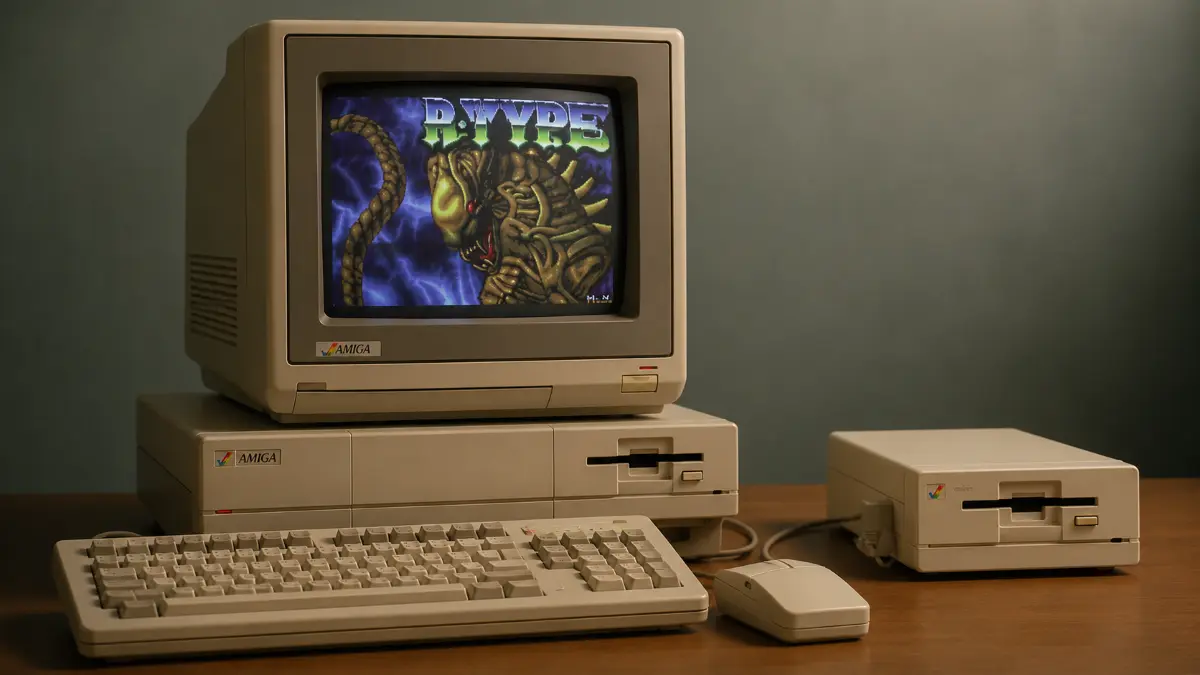

The mid-1980s were a battleground for personal computing innovation, but few launches carried the quiet confidence of the Commodore Amiga 1000. On July 23, 1985, Commodore unveiled the Amiga personal computer, also known as the Amiga 1000 or A1000, a machine that pushed the boundaries of what a home computer could do. This was not just another PC; it was a glimpse into the future of computing interfaces and multimedia capabilities.
The Amiga 1000 arrived with a multitasking, windowed operating system at a time when most personal computers were still locked into single-task environments. This was a technical leap that allowed users to run multiple applications simultaneously, improving productivity and user experience. Beyond its OS, the Amiga boasted color graphics and stereo sound, features that were far ahead of its time in the consumer market. These multimedia capabilities made it particularly attractive to creative professionals and hobbyists alike.
At the time, the personal computer market was dominated by IBM-compatible PCs and Apple Macintosh systems. Commodore’s Amiga carved out a niche by offering a unique blend of power and versatility. It solved a key problem: how to bring advanced multimedia and multitasking to the desktop without the complexity and cost of larger workstations. The Amiga’s architecture integrated custom chips dedicated to graphics and sound, offloading tasks from the CPU and enabling smoother, richer media experiences.
The impact of the Amiga 1000 extended beyond its initial release. It developed a loyal user base that remained passionate even as the PC market consolidated around IBM-compatible and Apple machines. The Amiga’s approach to multitasking and multimedia influenced the evolution of operating systems and user interfaces. It demonstrated that personal computers could be powerful creative tools, not just business machines. This perspective helped shape the expectations for future generations of computers, especially in fields like video production, animation, and gaming.
Today, the legacy of the Commodore Amiga 1000 still matters. Its early adoption of multitasking and multimedia set a precedent for the integrated, user-friendly computing experiences we now take for granted. Modern operating systems and hardware owe a debt to the design principles that the Amiga championed. It also serves as a reminder that innovation often comes from challenging the status quo and addressing user needs that mainstream products overlook.
Looking back, the Amiga 1000 was more than a piece of hardware; it was a statement about what personal computing could become. It pushed the industry to think differently about the relationship between software and hardware, and how computers could serve creative ambitions. Even decades later, the Amiga’s influence echoes in the devices and systems that continue to shape our digital lives.