
Apple has broadened the availability of its Tap to Pay on iPhone feature, now supporting eight more countries across Latin America: Argentina, Colombia, Costa Rica, the Dominican Republic, Guatemala, Honduras, Panama, and Peru. This expansion enables businesses in these markets to accept contactless payments directly on iPhone, eliminating the need for additional payment hardware.
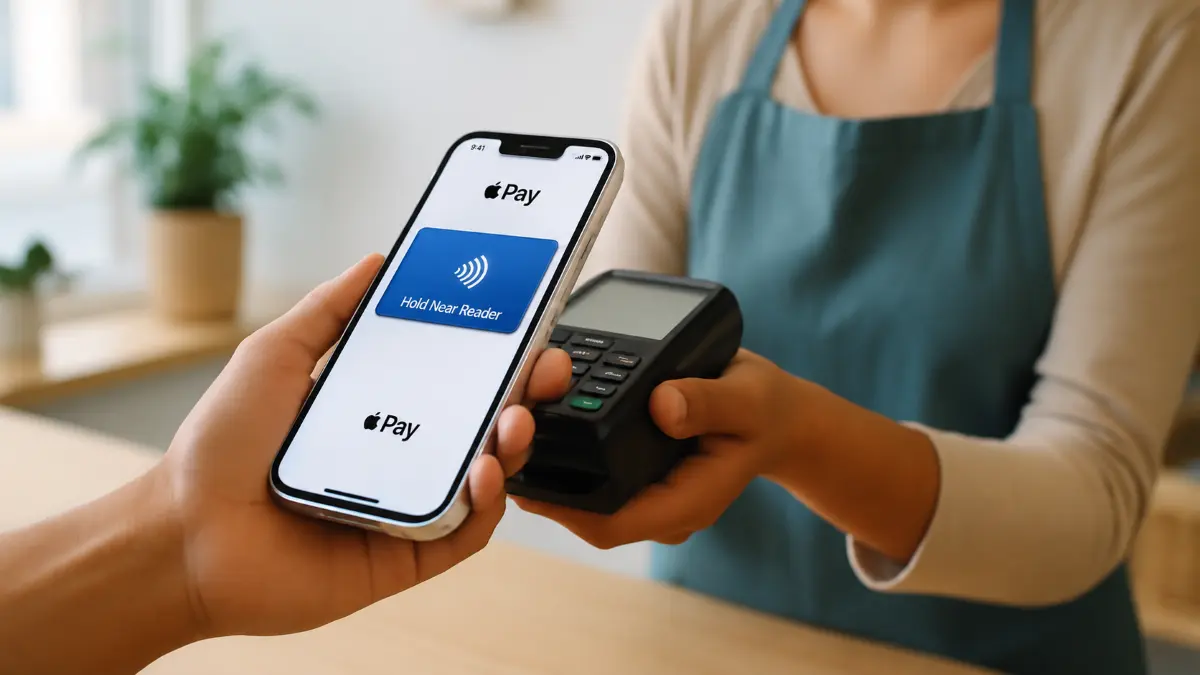
Tap to Pay on iPhone leverages the device’s built-in NFC (Near Field Communication) capabilities, allowing merchants to accept Apple Pay, contactless credit and debit cards, and other digital wallets simply by tapping a customer’s card or device on their iPhone. This feature was initially launched in the United States and has gradually expanded to other markets, reflecting Apple’s ongoing push to simplify mobile payments and empower small businesses.
How Tap to Pay on iPhone Works
Tap to Pay on iPhone uses the NFC chip embedded in modern iPhones to securely process contactless payments. When a customer taps their contactless card or digital wallet-enabled device against the merchant’s iPhone, the transaction is authenticated and processed via Apple Pay’s secure payment infrastructure. This eliminates the need for separate card readers or terminals, reducing costs and setup complexity for merchants.
The feature integrates with existing payment platforms and point-of-sale (POS) systems, allowing businesses to accept payments with minimal disruption to their current workflows. It supports a variety of payment methods, including Apple Pay, contactless credit and debit cards, and other digital wallets compatible with NFC.
Why This Expansion Matters for Latin America
Latin America has seen rapid growth in mobile payments and digital wallets, but many small and medium-sized businesses still face barriers due to the cost and logistics of traditional payment terminals. By enabling Tap to Pay on iPhone in eight additional countries, Apple is addressing these challenges by providing a more accessible and flexible payment solution.
This move could accelerate the adoption of contactless payments in the region, helping merchants tap into a growing base of consumers who prefer digital and contactless payment options. It also aligns with broader trends toward cashless transactions and digital financial inclusion in emerging markets.
What Remains Unchanged
While Tap to Pay on iPhone simplifies payment acceptance, it does not replace all traditional POS hardware for every business scenario. Larger retailers with complex checkout systems may still require dedicated terminals for inventory management, receipts, and other functions. Additionally, Tap to Pay on iPhone requires compatible iPhone models and participation in supported payment networks, which may limit immediate availability for some merchants.
Apple continues to maintain strict security and privacy standards with this feature. Payment data is encrypted and processed securely, and Apple does not store transaction details that could be linked back to individual users, preserving customer privacy.
Strategic Implications for Apple and Developers
This expansion reinforces Apple’s strategy to deepen its services ecosystem by integrating hardware capabilities with financial services. By turning the iPhone into a versatile payment terminal, Apple not only enhances the utility of its devices but also creates new opportunities for developers and payment processors to build on this platform.
Developers can leverage Tap to Pay APIs to create tailored payment experiences within their apps or POS systems, potentially driving innovation in retail, hospitality, and other sectors. For Apple, expanding into Latin America taps into a large and growing market where mobile payments are rapidly evolving.
What to Watch Next
As Tap to Pay on iPhone rolls out in these new Latin American markets, it will be important to monitor merchant adoption rates and consumer response. Apple’s ability to integrate this feature with local payment networks and regulatory environments will also be critical for its success.
Future updates may expand compatibility with more payment providers and introduce additional features to enhance merchant and consumer experiences. Observers should also watch for similar expansions into other emerging markets where mobile payments are gaining traction.
Apple’s Tap to Pay on iPhone is steadily transforming how businesses accept payments worldwide, and this Latin American expansion marks a significant step in making contactless payments more accessible and convenient for a broader range of merchants.