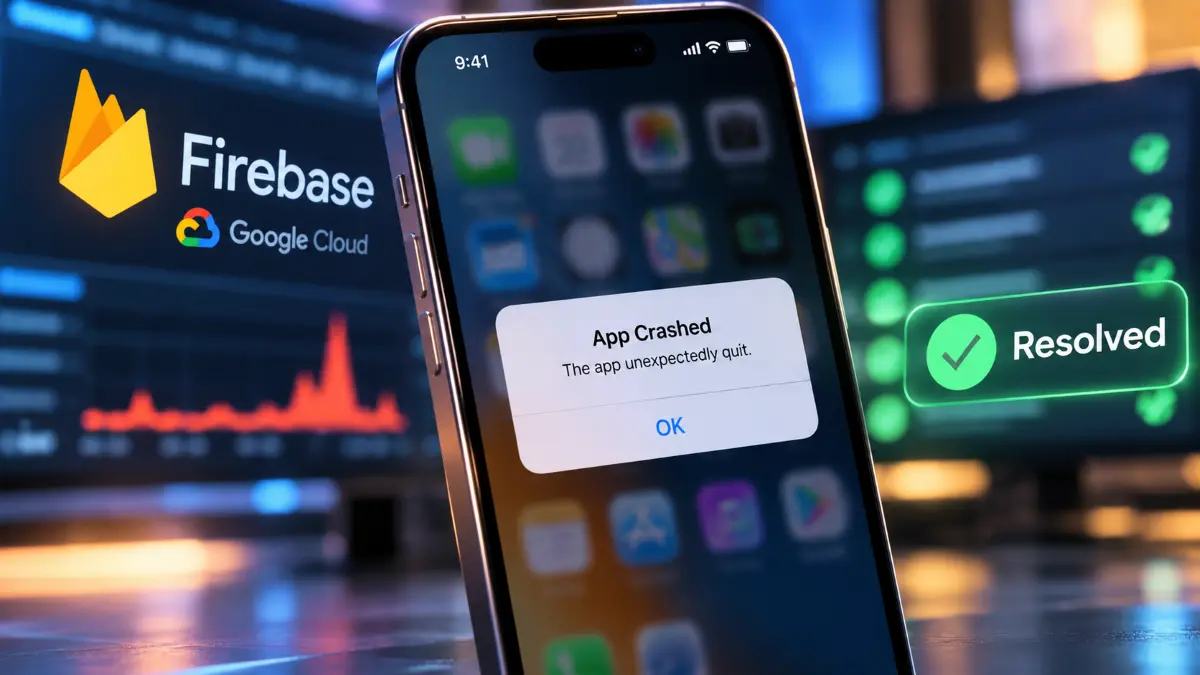

Apple’s iPhone ecosystem experienced a significant disruption recently when thousands of apps suddenly began crashing due to a third-party service outage. The culprit was Google’s Firebase platform, a popular backend service widely used by iOS developers. Fortunately, Google has now fixed the issue, restoring stability without requiring any action from developers or users.
Firebase is a comprehensive development platform offering cloud services such as real-time databases, authentication, and analytics. Many iPhone apps rely on Firebase to manage critical backend functions. When the platform encountered a technical fault, it triggered cascading failures in apps dependent on its services, causing widespread crashes across the iOS ecosystem.
What Happened with Firebase and iPhone Apps
The problem originated within Firebase’s infrastructure, where a service disruption affected its iOS SDK’s ability to communicate with backend servers. This breakdown caused apps integrating Firebase to crash unexpectedly upon launch or during use. The issue was not isolated to a single app category but impacted a broad range of applications, from social media to productivity tools.
Google’s engineering teams responded rapidly, identifying the root cause and deploying a fix that restored Firebase’s normal operation. The resolution was seamless from the user perspective, apps began functioning normally without requiring updates or manual fixes from developers.
How Firebase Integration Works in iOS Apps
Firebase provides iOS developers with a suite of tools that simplify backend management. Apps integrate Firebase SDKs to handle tasks like user authentication, cloud storage, push notifications, and real-time data syncing. These SDKs maintain persistent connections to Firebase servers to ensure smooth data flow.
When Firebase’s backend services faltered, the SDKs on iPhones could not complete essential network requests, leading to unhandled exceptions and app crashes. Because Firebase is deeply embedded in many apps’ core functionality, the outage had a widespread impact.
Why This Matters for Apple’s Ecosystem
This incident highlights the risks of third-party dependencies within the iPhone app ecosystem. While Apple maintains strict control over iOS and its native frameworks, many developers rely on external platforms like Firebase to accelerate development and enhance app capabilities.
The outage underscores the importance of robust fallback mechanisms and error handling in apps that depend on third-party services. It also serves as a reminder that even highly integrated ecosystems like Apple’s can be vulnerable to external service disruptions.
What Developers and Users Should Know
Developers using Firebase on iOS did not need to take any corrective action, as Google’s fix was applied server-side. However, this event may prompt developers to review their apps’ resilience against backend failures. Implementing graceful degradation or offline modes can mitigate the impact of future outages.
For users, the incident was a temporary inconvenience. Once Firebase’s service was restored, apps resumed normal operation without requiring updates or device restarts.
Broader Implications for Cloud-Dependent Apps
As mobile apps increasingly rely on cloud platforms for essential functions, the stability of these services becomes critical. Firebase’s outage is a case study in how a single point of failure in a third-party cloud service can ripple through millions of devices.
Apple’s own cloud services, such as iCloud, are tightly integrated and controlled end-to-end, reducing such risks. However, the diversity of third-party services in the App Store ecosystem means that developers and users must remain vigilant about potential disruptions.
Monitoring Future Service Reliability
This episode will likely encourage both Apple and developers to enhance monitoring and contingency planning for third-party dependencies. Apple may also consider providing developers with better tools or guidelines to handle backend service interruptions gracefully.
Meanwhile, Google’s quick resolution of the Firebase outage demonstrates the importance of rapid incident response in minimizing user impact. The incident serves as a reminder that even the most widely used platforms can experience unexpected failures, and recovery speed is crucial.
In summary, the Firebase outage that caused widespread iPhone app crashes was a significant but swiftly resolved disruption. It highlights the complex interplay between Apple’s tightly controlled ecosystem and the third-party services that power many apps. Ensuring resilience against such failures remains a key challenge for developers and the broader iOS platform.