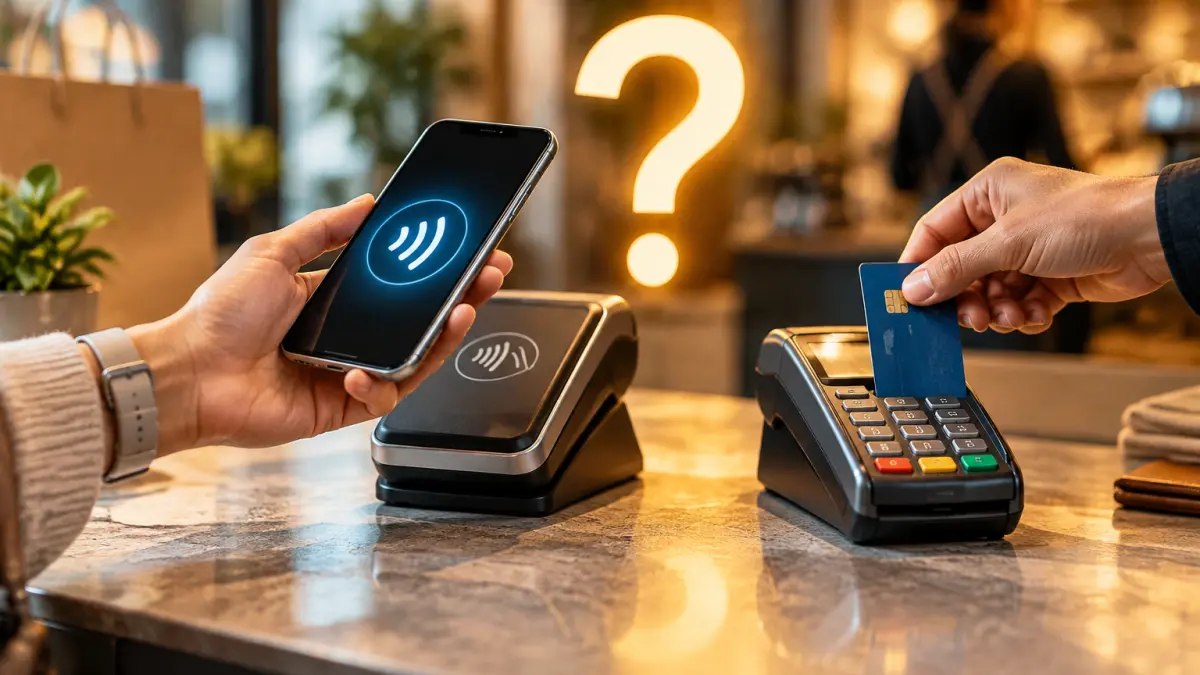

Contactless payments using NFC (Near Field Communication) technology have become increasingly popular in stores worldwide. Many consumers assume that tapping their phone or card is always safer than swiping or inserting a credit card into a terminal. But is this assumption accurate? Understanding the security advantages and limitations of NFC payments compared to traditional card methods is important for making informed choices when paying.
Claim: Using NFC payments is always safer than swiping or inserting your credit card in stores.
Quick answer: NFC payments offer security advantages in many cases but are not always safer than swiping or inserting cards depending on context.
How NFC Payments Can Reduce Risk
NFC payments typically use tokenization, which replaces your actual card number with a unique digital token during transactions. This means your real card details are not exposed to the merchant’s terminal or potential skimmers. Additionally, contactless payments usually require close proximity, just a few centimeters, to work, reducing the chance of remote interception.
Many NFC payment systems also integrate biometric or device-level authentication, such as fingerprint or face recognition on smartphones, adding an extra security layer that swiping or inserting a physical card does not provide. This reduces the risk of unauthorized use if your device is lost or stolen.
When NFC Payments May Not Be Safer
Despite these protections, NFC payments are not foolproof. In rare cases, attackers with specialized equipment can attempt relay attacks, intercepting or extending the NFC signal to make unauthorized transactions. While such attacks require close proximity and technical skill, they highlight potential vulnerabilities.
Also, if your phone or payment device is compromised by malware or unauthorized apps, NFC transactions could be at risk. Unlike physical cards, which require physical possession, software-based payment methods depend on device security. Furthermore, some merchants may not support the latest NFC security standards, potentially exposing transactions to risk.
Comparing Traditional Card Methods
Swiping cards exposes the magnetic stripe data, which can be skimmed by criminals using simple devices. Inserting cards into EMV chip readers is generally more secure than swiping because chip data is dynamic and harder to clone. However, chip cards still transmit your card data to the terminal, which could be compromised in rare cases.
Unlike NFC, swiping and inserting do not typically involve biometric authentication, so stolen cards can be used more easily. However, chip cards and PIN verification help mitigate fraud risks.
Practical Takeaways for Consumers
Choosing between NFC and traditional card methods depends on context. NFC payments generally offer strong security benefits, especially when combined with device authentication and tokenization. They can reduce fraud risk in everyday transactions.
However, users should remain cautious, keep their devices updated, and monitor accounts for suspicious activity. In some situations, such as using unfamiliar or potentially compromised terminals, using a chip card with PIN may be safer.
Ultimately, no payment method is completely risk-free, but understanding the security features and vulnerabilities of each can help you decide which option suits your needs best.