
Apple’s iOS 27.2 update introduces a novel age verification feature that uses a selfie to confirm a user’s age, marking a shift toward more privacy-conscious identity checks within the Apple ecosystem. This new capability is designed to streamline age verification while minimizing the exposure of personal data, reinforcing Apple’s focus on privacy and security.
The selfie-based system in iOS 27.2 leverages advanced facial recognition technology to verify age without requiring users to submit sensitive documents or extensive personal information. This method aims to provide a secure, user-friendly alternative for age-restricted content and services on iPhone and iPad.
How iOS 27.2’s Selfie-Based Age Verification Works
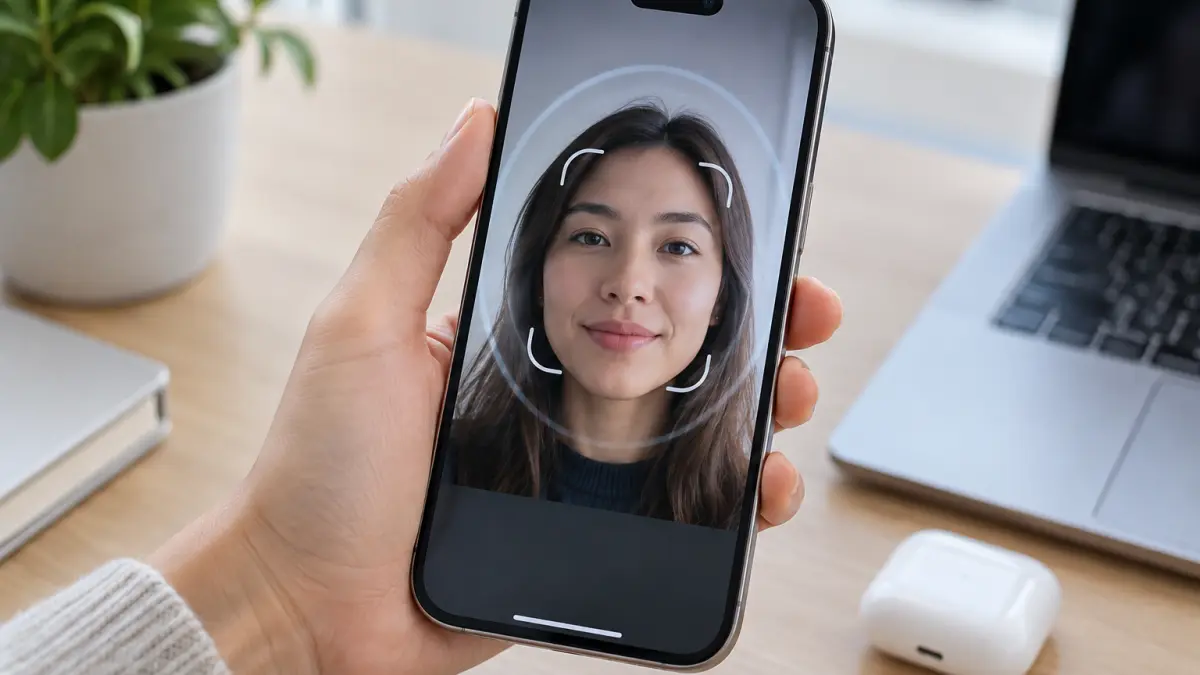
The new age verification feature uses the device’s front-facing camera to capture a selfie, which is then processed locally on the device using Apple’s secure facial recognition algorithms. By analyzing facial features and biometric markers, the system estimates the user’s age range without transmitting the image or biometric data to external servers.
This on-device processing ensures that sensitive biometric data remains private and secure, aligning with Apple’s broader approach to safeguarding user information. The verification process is designed to be quick and seamless, integrating smoothly into apps and services that require age checks.
Privacy and Security Benefits for Users
Traditional age verification methods often involve uploading government-issued IDs or other personal documents, which can raise privacy concerns and increase the risk of data breaches. Apple’s selfie-based approach reduces these risks by eliminating the need for document uploads and external verification services.
By keeping the biometric data on the device and only sharing a simple age confirmation result, iOS 27.2 minimizes data exposure. This approach not only protects users’ privacy but also limits the potential for identity theft or misuse of personal information.
Implications for Developers and the Apple Ecosystem
For developers, the new API introduced in iOS 27.2 offers a streamlined way to implement age verification without handling sensitive user data directly. Apps can request age confirmation through the system’s secure interface, receiving a binary yes/no response that confirms whether the user meets the age requirement.
This reduces compliance burdens related to data protection regulations and simplifies integration. It also encourages wider adoption of privacy-first age verification, potentially becoming a standard across apps that offer age-restricted content or services.
What Remains Unchanged in Age Verification Practices
While the selfie-based system enhances privacy, it does not replace all forms of identity verification. Certain scenarios, such as legal or financial services, may still require traditional document-based verification. Additionally, the system estimates age rather than providing exact birthdates, which limits its use to age gating rather than full identity proofing.
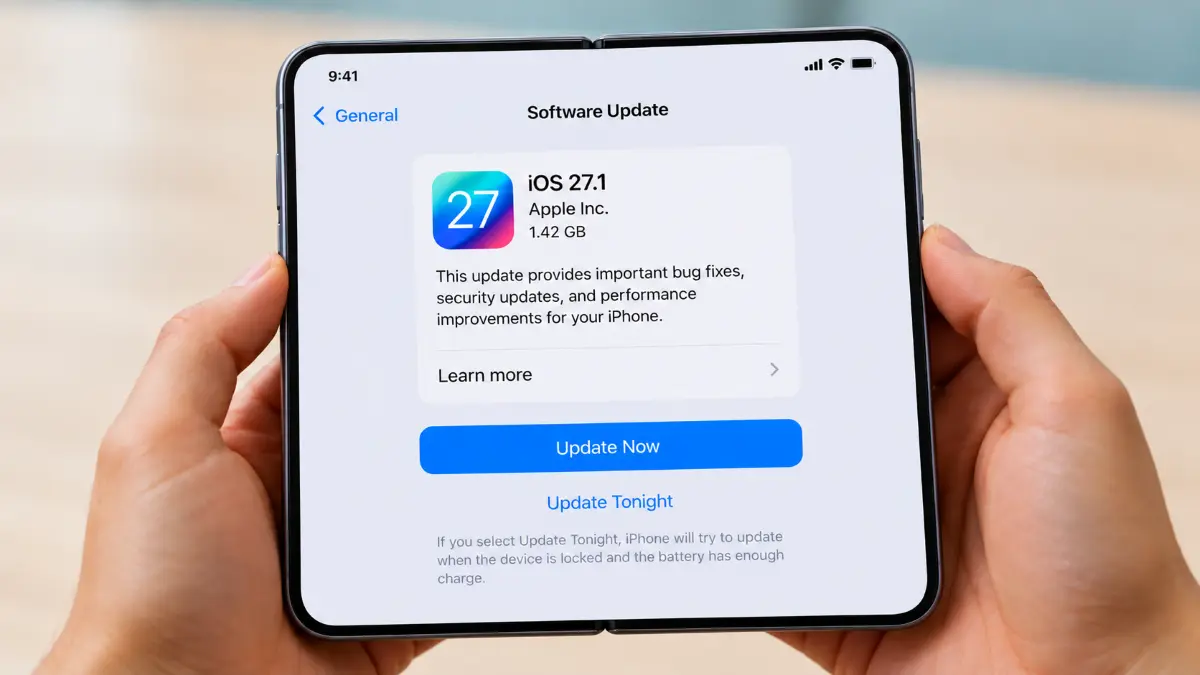
Users and developers should also note that this feature is currently limited to iOS 27.2 and later, meaning older devices or operating systems will not support this verification method.
Strategic Context Behind Apple’s Privacy-First Approach
Apple’s introduction of selfie-based age verification fits within its ongoing strategy to embed privacy at the core of its software ecosystem. By enabling secure, local processing of biometric data, Apple reduces reliance on third-party verification services that could compromise user privacy.
This move also anticipates increasing regulatory scrutiny around data protection and age verification, offering a scalable solution that balances user convenience with compliance.
What to Watch in Future iOS Updates
As iOS 27.2 rolls out, it will be important to monitor developer adoption and user reception of the selfie-based age verification feature. Future updates may expand its capabilities or extend support to more apps and services within the Apple ecosystem.
Additionally, Apple may refine the underlying technology to improve accuracy and accessibility, potentially integrating it with other privacy-focused features like Secure Enclave enhancements or broader biometric authentication options.
This development signals a growing trend toward privacy-centric identity verification that could influence industry standards beyond Apple’s platforms.