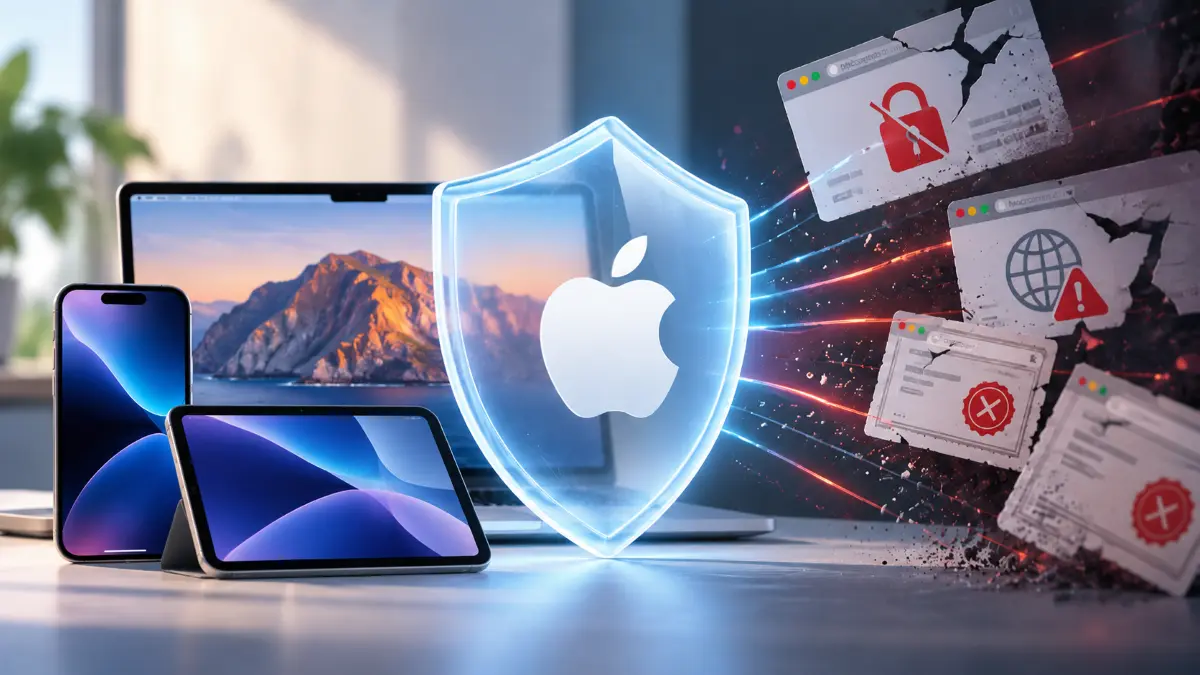

Apple has taken a decisive step to bolster the security of its ecosystem by blocking a set of compromised security certificates that could have allowed attackers to impersonate legitimate websites. This move directly targets a known vulnerability that could facilitate phishing attacks and other forms of online fraud, reinforcing the safety of users across Apple devices.
By invalidating these certificates, Apple prevents malicious actors from exploiting them to create fake websites that appear trustworthy, a common tactic used to steal sensitive information or distribute malware. This update reflects Apple’s ongoing commitment to securing its platforms and protecting users from evolving digital threats.
What Apple Has Changed in Certificate Handling
Security certificates are crucial components of the internet’s trust infrastructure, enabling encrypted communication and verifying the authenticity of websites. Apple’s recent action involves blocking specific certificates that were identified as compromised or vulnerable. These certificates, if left active, could have been used by attackers to masquerade as legitimate websites, deceiving users and bypassing browser security warnings.
Apple’s system update effectively revokes trust in these certificates across its devices, including iPhones, iPads, and Macs. This means that any attempt to use these certificates for website authentication will fail, triggering security warnings or outright blocking access to the fraudulent sites.
How Certificate Blocking Works on Apple Devices
When a user visits a website, Apple’s operating systems check the site’s security certificate against a trusted list maintained by Apple and other certificate authorities. If a certificate is found on Apple’s blocklist, the system will reject the connection or display a warning, preventing users from unknowingly interacting with potentially harmful sites.
This process is part of Apple’s broader approach to certificate transparency and validation, which includes automatic updates to the trusted certificate store and real-time checks against known threats. By integrating this blocking mechanism directly into the OS, Apple ensures that users benefit from enhanced protection without needing to take manual action.
The Practical Impact for Users and Developers
For everyday users, this update means a safer browsing experience on Safari and other apps that rely on Apple’s security frameworks. Users are less likely to fall victim to phishing scams that exploit fake websites with fraudulent certificates. The blocking also helps maintain trust in Apple’s ecosystem by ensuring that only verified and secure sites can establish encrypted connections.
Developers and website operators should note that this action underscores the importance of maintaining valid, uncompromised certificates issued by trusted authorities. Any reliance on outdated or vulnerable certificates risks being blocked, which could disrupt legitimate services and damage user trust.
What Remains Unchanged in Apple’s Security Model
While Apple’s blocking of compromised certificates strengthens security, it does not grant apps or third parties broader access to user data or system internals. The update strictly targets the certificate validation process, ensuring that only secure and verified connections are allowed. It does not alter other privacy protections or app sandboxing policies.
Additionally, this measure does not affect certificates that remain valid and secure. Websites with properly issued certificates from trusted authorities will continue to function normally without interruption.
Apple’s Ongoing Security Strategy
This certificate blocking fits into Apple’s larger strategy of proactive security management. Apple frequently updates its trusted certificate lists and revokes certificates that pose risks, aiming to stay ahead of attackers who exploit weaknesses in the web’s trust model. By embedding these protections deeply into its operating systems, Apple reduces the window of opportunity for attackers and minimizes user exposure to phishing and fraud.
What to Watch Next
Users should ensure their Apple devices are running the latest software updates to benefit from these security enhancements. Developers and IT administrators should review their certificate management practices to avoid disruptions. Observers will be watching how Apple continues to evolve its certificate and security infrastructure, particularly as threats become more sophisticated and widespread.
Apple’s move to block compromised certificates is a clear example of the company’s layered approach to security, combining technical enforcement with user-facing protections to safeguard its ecosystem.